Tourist Clothing in India: What to Wear for Comfort and Culture
When you're traveling through India, your tourist clothing, the outfits you choose to wear while exploring India’s diverse regions. Also known as travel attire for India, it’s not just about staying cool—it’s about respecting local norms, staying safe, and moving comfortably across wildly different climates. Whether you’re walking through the dusty streets of Rajasthan, visiting a temple in Varanasi, or lounging on Goa’s beaches, what you wear shapes how people see you—and how you experience the country.
India isn’t one place. It’s dozens of climates, religions, and traditions packed into one country. In the north, winters can drop below freezing in places like Leh, while summers in Delhi hit 45°C. Down south, humidity sticks to your skin like a second layer. Your tourist clothing, the outfits you choose to wear while exploring India’s diverse regions. Also known as travel attire for India, it’s not just about staying cool—it’s about respecting local norms, staying safe, and moving comfortably across wildly different climates. needs to adapt. Loose cotton shirts, long skirts, and breathable pants aren’t just comfortable—they’re often expected, especially near religious sites. Many temples, even in tourist-heavy areas like Tamil Nadu or Uttar Pradesh, require shoulders and knees covered. Skip the tank tops and shorts if you don’t want to be turned away at the gate. Women traveling alone often find that modest clothing reduces unwanted attention. Men, too, benefit from avoiding sleeveless tops in conservative areas.
Footwear matters more than you think. You’ll take off your shoes dozens of times a day—at temples, homes, even some restaurants. Slip-ons or sandals that are easy to kick off save time and hassle. Pack a light shawl or scarf—it’s not just for warmth. In many places, it doubles as a head covering for women entering sacred spaces, or a quick cover-up when you’re out in the sun. Don’t forget a good pair of walking shoes. India’s sidewalks aren’t always smooth, and you’ll be on your feet for hours exploring markets, forts, and temples. And yes, you’ll need to wash your clothes often. Most guesthouses offer laundry, but quick-dry fabrics make life easier.
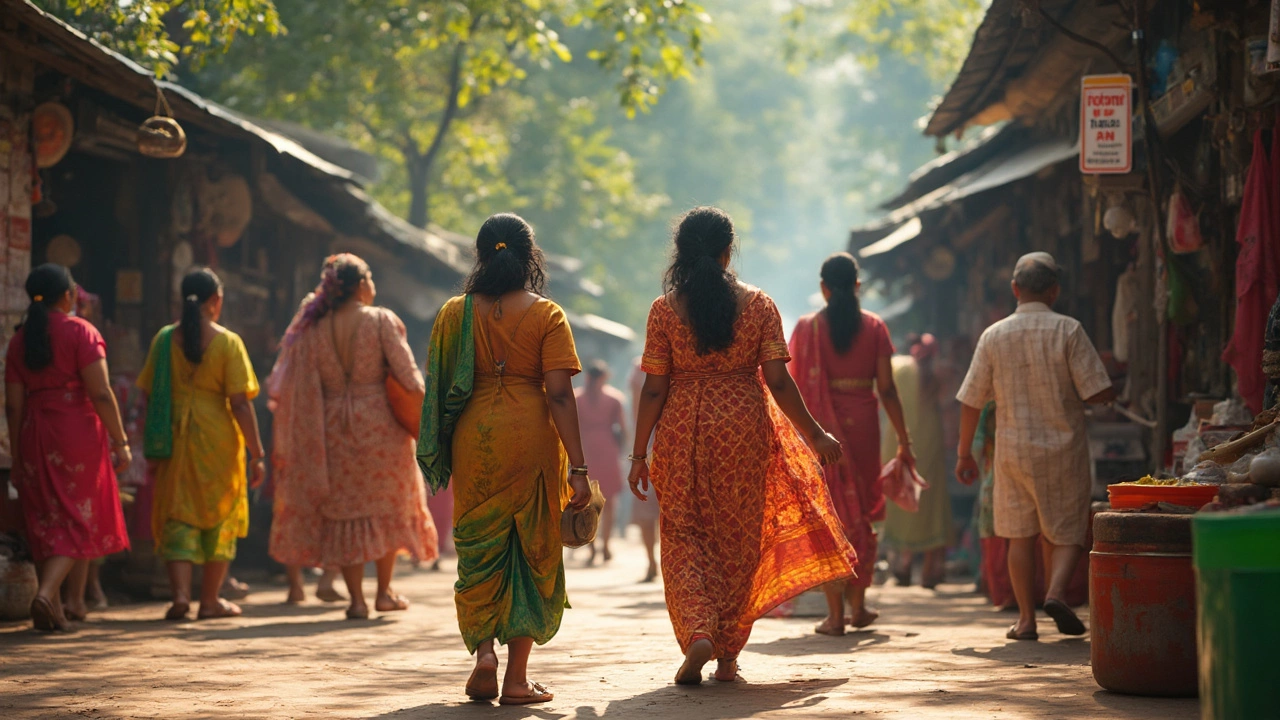
There’s a myth that you need to buy Indian clothes to fit in. You don’t. But understanding what locals wear helps. Many Indian women wear salwar kameez or sarees daily—not because tourists do, but because it’s practical. You don’t need to copy that, but you can borrow the logic: loose, breathable, covered. In cities like Mumbai or Bangalore, you’ll see more Western-style clothing, but even there, modesty is still appreciated. In rural areas or during festivals like Diwali or Holi, dressing respectfully goes a long way. You’ll get better service, more smiles, and fewer stares.
What you pack also affects your safety. Bright colors and flashy jewelry can draw attention—not always the good kind. Stick to neutral tones and avoid expensive watches or necklaces. A hidden money belt is smarter than a fanny pack. And while you might think beachwear is fine everywhere, even in Goa, covering up when you leave the shore shows awareness. It’s not about hiding; it’s about honoring the rhythm of the place you’re visiting.
Below, you’ll find real advice from travelers who’ve been there—what worked, what didn’t, and how to avoid the common mistakes. Whether you’re heading to the Himalayas or the backwaters of Kerala, your clothing choices can turn a good trip into a great one.
Can Tourists Wear Shorts in Kerala? Uncover the Truth
Visitors often wonder about the dress code in Kerala, a picturesque state in South India known for its rich cultural tapestry and gorgeous landscapes. While the weather is tropical and invites lighter clothing, understanding local customs is important. Wearing shorts is generally acceptable in urban and tourist areas, although modesty should be considered, especially in religious sites. This article delves into the cultural nuances to help tourists dress appropriately while enjoying their stay.
Read more