Temple Etiquette in India: What You Need to Know Before You Visit
When you step into a temple etiquette, the set of respectful behaviors and customs observed when visiting religious sites in India. Also known as temple customs, it's not just about rules—it's about honoring centuries of spiritual tradition. India’s temples aren’t just buildings; they’re living spaces of worship where millions pray, offer, and connect with something deeper. Getting temple etiquette right means you’re not just a visitor—you’re a respectful guest.
Many travelers don’t realize that what’s acceptable in a museum or park doesn’t apply in a temple. For example, Hindu temple customs, the traditional practices followed in Hindu places of worship, including footwear removal and hand gestures require you to take off your shoes before entering. This isn’t a suggestion—it’s a rule, rooted in the belief that the temple floor is sacred. You’ll see shoe racks at every entrance. Ignore them, and you’ll stand out for the wrong reason. Similarly, temple dress code, the expected clothing standards for visitors to maintain modesty and reverence means covering shoulders and knees. Shorts, tank tops, or revealing outfits won’t get you turned away, but they’ll make you feel out of place—and sometimes, priests will quietly ask you to cover up.
Inside the temple, silence isn’t optional—it’s expected. Talking loudly, pointing at deities with your finger, or taking photos where signs say no are common mistakes. In many temples, especially in South India, you can’t bring in leather items like belts or wallets. Even your phone should be silenced. These aren’t arbitrary restrictions; they’re part of a deeper culture of reverence. You don’t need to understand every ritual to follow along: bow your head slightly when passing the main shrine, use your right hand to receive prasad (blessed food), and never touch someone’s head—it’s considered sacred.
Temple etiquette varies by region. In Varanasi, you might see pilgrims bathing before entering. In Tamil Nadu, you’ll find elaborate rituals with bells and incense. In Punjab, Sikh gurdwaras have their own rules: cover your head, sit on the floor, and eat langar (free community meal) with everyone else. The core stays the same: humility, cleanliness, and respect. You don’t have to be religious to follow these rules—you just need to be thoughtful.
Some temples, like Tirupati or Sabarimala, have strict entry rules based on gender, age, or even diet. Others, like the Golden Temple in Amritsar, welcome everyone the same way—with no exceptions. The key is to observe first. Look at how locals behave. Follow their lead. If you’re unsure, ask politely. Most priests and volunteers will appreciate your effort to get it right.
What you’ll find in the posts below are real, practical guides based on what travelers actually experience. From how to handle offerings to what to wear in a temple during monsoon season, these aren’t textbook rules—they’re the things no travel blog tells you until you mess up. Whether you’re visiting a tiny village shrine or a massive temple complex, these tips will help you move through India’s sacred spaces with confidence, not confusion.
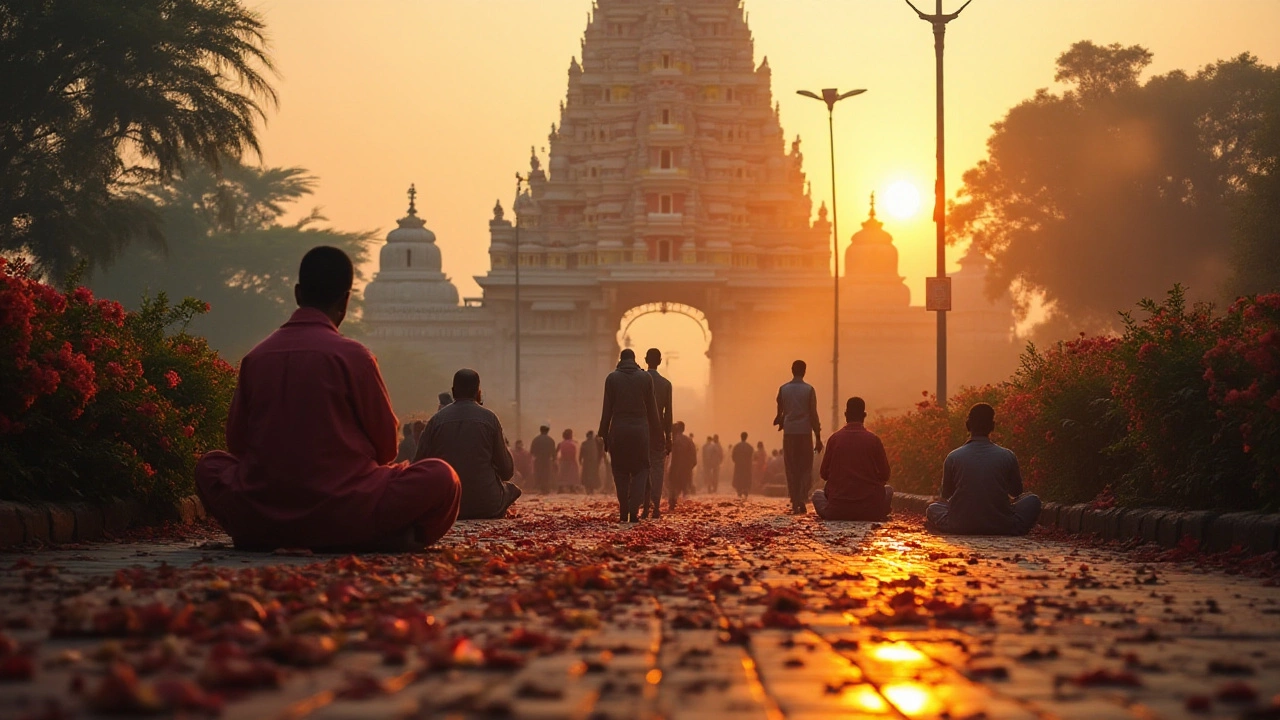
Best and Worst Times to Visit Temples in India
Visiting temples in India is a spiritual and cultural journey that requires thoughtful consideration of timing. Whether you're seeking peace, pilgrimage, or a unique cultural experience, knowing when to go—and when not to—can greatly enhance your visit. Factors such as festivals, climate conditions, and local customs play a significant role in determining the best and worst times for temple visits. This guide provides insights into these elements to help travelers plan their trips effectively.
Read more