Swimming Safety: Essential Tips for Safe Swimming in India
When it comes to swimming safety, the set of practices and awareness needed to prevent drowning and water-related injuries. Also known as water safety, it’s not just about knowing how to swim—it’s about understanding where and when it’s safe to do so. In India, where rivers like the Ganges, beaches in Goa, and backyard pools are common, swimming safety isn’t optional. It’s the difference between a refreshing dip and a tragedy.
Many people assume that if they can float or paddle, they’re safe. But that’s not true. Strong undercurrents in coastal areas like Puri or Digha can pull even strong swimmers under in seconds. In rivers, hidden rocks, sudden drop-offs, and pollution make the water dangerous even when it looks calm. And in pools—especially at hotels or public complexes—lack of supervision and poor maintenance lead to avoidable accidents. Swimming hazards, specific dangers like rip currents, contaminated water, and unmarked depths are real and common across the country. Children are especially at risk. A 2022 study by the Indian Journal of Public Health found that drowning is the leading cause of accidental death for kids under 15 in rural India. Most of these cases happen near home—ponds, wells, or irrigation channels—places no one thinks of as risky.
Pool and open water safety, the rules and behaviors that reduce risk in both artificial and natural swimming environments don’t require fancy gear or training. They just need awareness. Always swim where lifeguards are present. Never swim alone, even if you’re confident. Avoid alcohol before entering water. Teach kids to respect water, not fear it. Look for warning signs—red flags on beaches, murky water in rivers, or broken fences around pools. If you’re traveling, ask locals about the safest spots. In Goa, for example, Palolem Beach is generally safe during daylight hours, but Agonda’s northern end has hidden riptides that aren’t marked. In the Himalayas, glacial rivers look beautiful but are freezing and fast-moving—swimming there is a death trap.
You don’t need to be an expert to stay safe. Just follow basic rules: don’t dive into unknown water, watch the weather before heading to a riverbank, and keep kids within arm’s reach. Many of the posts below cover real stories from travelers who learned these lessons the hard way—like the American tourist who got sick from swimming in the Yamuna, or the family that missed their train because their child got caught in a river current near Varanasi. These aren’t rare cases. They’re everyday risks that can be avoided with simple, practical steps.
Below, you’ll find real experiences and advice from people who’ve navigated India’s waters safely—and those who didn’t. Whether you’re planning a beach trip, staying at a resort, or just letting your kids splash in a local pool, the tips here will help you avoid the most common mistakes. No fluff. Just what you need to know before you jump in.
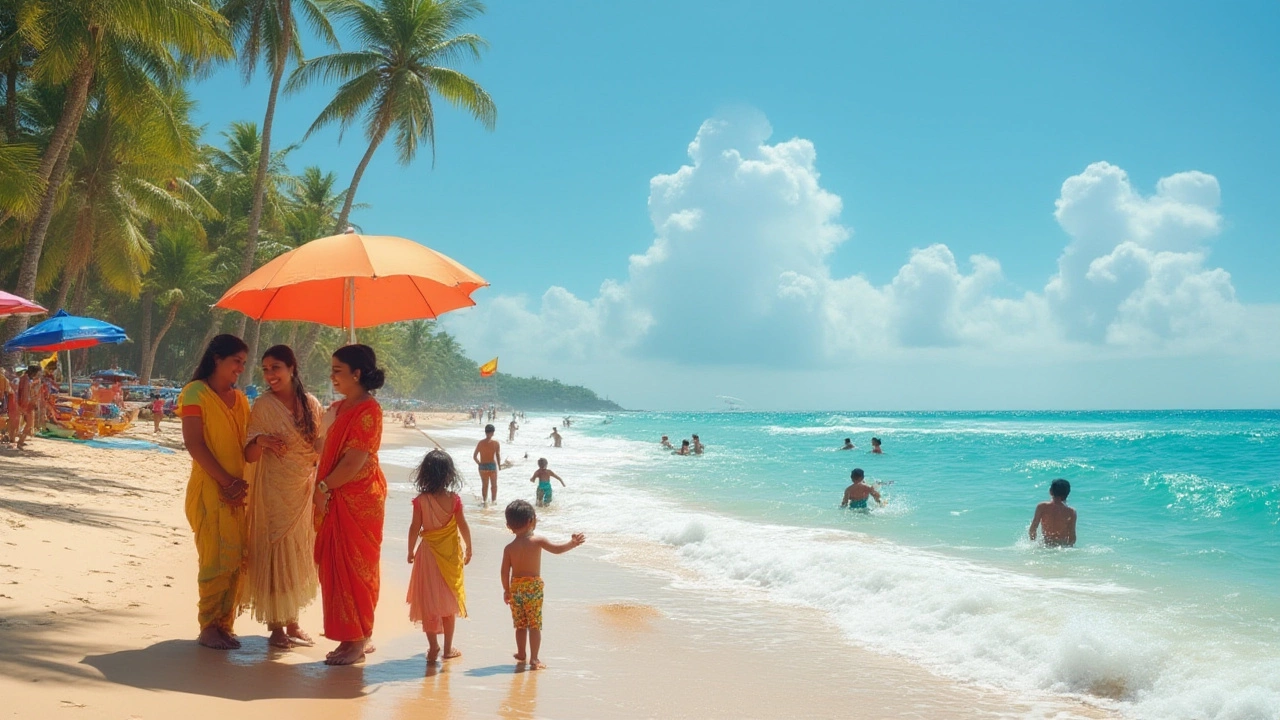
Is It Safe to Swim in the Sea in India? Essential Tips & Facts for Beach Travelers
Wondering if it's safe to swim in the sea in India? Get facts on water safety, risks, best beaches, and expert tips for a worry-free beach trip.
Read more