South vs North India: Key Differences in Culture, Food, and Travel
When people talk about South India, the southern states of India including Tamil Nadu, Kerala, Karnataka, and Andhra Pradesh, known for their Dravidian languages, temple architecture, and rice-based diets versus North India, the northern states like Uttar Pradesh, Punjab, Rajasthan, and Delhi, defined by Indo-Aryan languages, Mughal influences, and wheat-heavy meals, they’re not just talking about geography—they’re talking about two very different ways of life. These aren’t just regional quirks. They shape how you eat, how you travel, what you see, and even how people greet you. If you’re planning a trip across India, understanding this split isn’t optional—it’s essential.
The biggest difference? Food. In South India, the cuisine centers around rice, lentils, coconut, tamarind, and spicy chutneys, with dishes like dosa, idli, and sambar dominating daily meals. In North India, wheat rules: think roti, paratha, naan, and rich curries made with cream, butter, and dried fruits. That’s why Americans visiting North India often ask about safe street food—they’re used to bread, not rice pancakes. Meanwhile, in the south, you’ll find coconut oil frying everything, and breakfast might be a steamed rice cake with lentil stew. It’s not just taste—it’s culture baked into every bite.
Temples tell another story. In the south, towering gopurams covered in colorful gods greet you at every town. The Mundeshwari Temple, one of India’s oldest known shrines, sits in Bihar, but most ancient temple clusters are clustered in Tamil Nadu and Karnataka. In the north, you’ll find Mughal-inspired mosques and grand forts like those in Jaipur and Agra, with fewer but equally stunning temple complexes like Kashi Vishwanath. The rhythm of worship differs too: south Indian temples often have daily rituals that feel like living theater, while north Indian ones lean into large festivals like Kumbh Mela, where millions gather at once.
Travel logistics change too. South India’s weather is more predictable—hot and humid, with monsoons hitting earlier. North India swings wildly: freezing winters in Delhi, scorching summers, and a short, sweet spring. If you’re planning a taxi trip, you’ll need different gear, different timing, and different expectations. In the south, you might drive through backwaters and hill stations like Munnar. In the north, you could end up on dusty roads near the Himalayas or in the bustling chaos of Delhi’s markets.
Language, dress, even the way people stand in line—it all shifts. Tamil speakers don’t understand Hindi. Punjabis wear turbans. Keralites eat with their hands but use coconut shells as spoons. North Indian cities have more metro systems. Southern towns have more family-run guesthouses. The people are just as warm, but their rhythms are different. You don’t just visit India—you visit two countries in one.
What you’ll find below are real, practical guides based on actual travel experiences—from what Americans can safely eat in North India to the best months to explore the south. Whether you’re choosing between a temple tour in Tamil Nadu or a street food crawl in Delhi, these posts cut through the noise. No fluff. Just what you need to know before you book your taxi and hit the road.
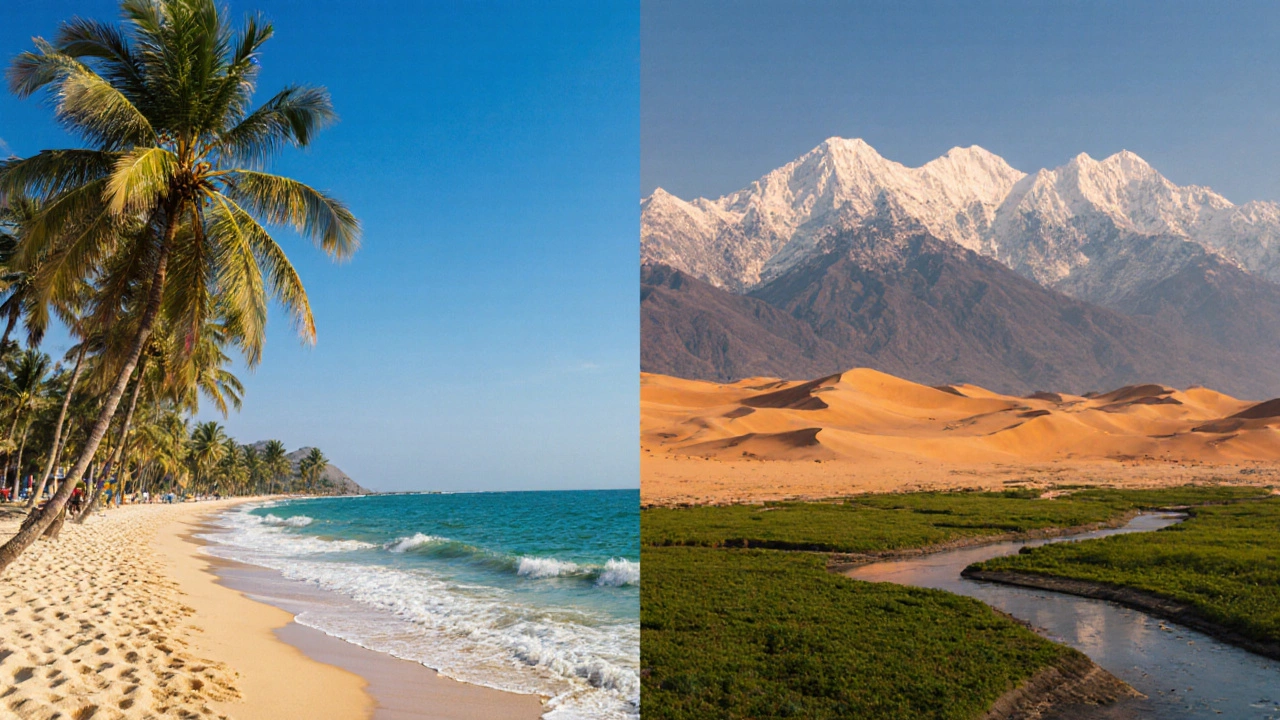
South India vs North India: Which Region Is More Beautiful?
Explore the key differences in landscape, heritage, cuisine, climate, and activities to decide whether South India or North India is more beautiful for travelers.
Read more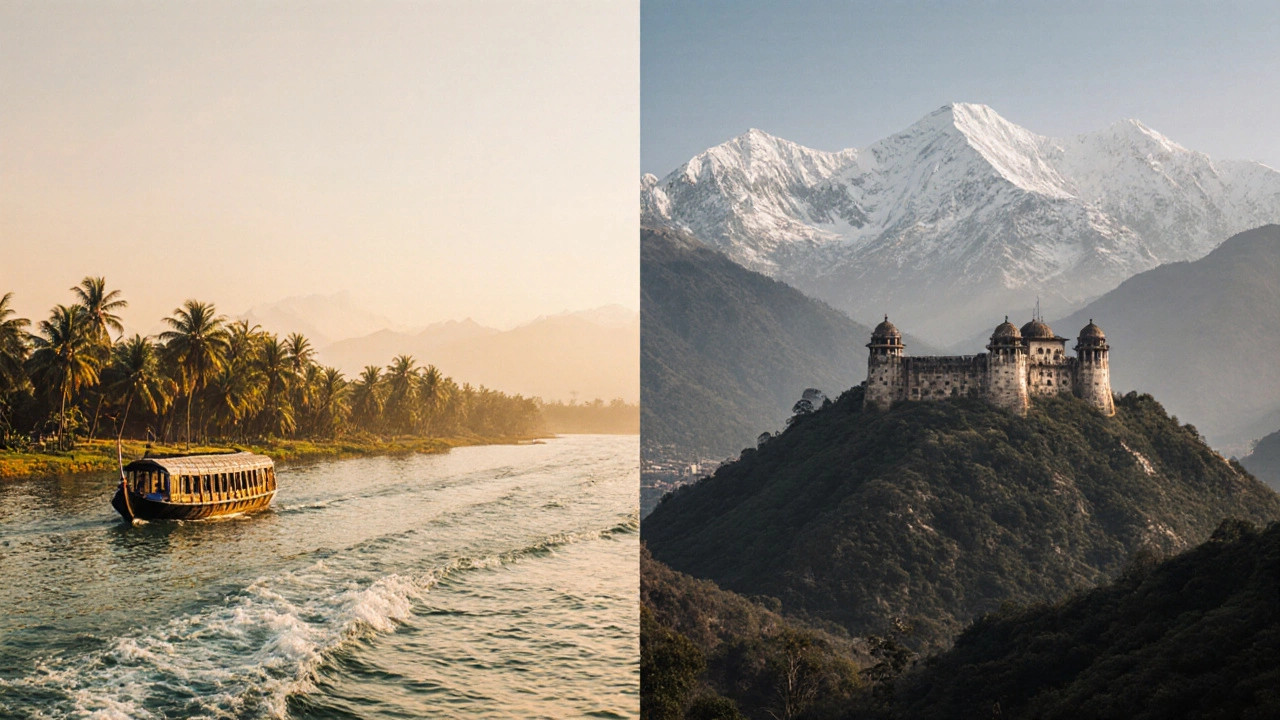
Southern India vs Northern India: Which Travel Experience Wins?
Compare southern and northern India on climate, food, culture, nature, and cost to decide which region fits your travel style best.
Read more