South India monsoon: What to expect and where to go
When the South India monsoon, the seasonal rainfall pattern that transforms the southern states of India with heavy rains, cool temperatures, and vibrant greenery. Also known as the southwest monsoon, it arrives between June and September and shapes everything from farming to tourism in states like Kerala, Tamil Nadu, Karnataka, and Andhra Pradesh. Unlike the dry heat of summer, this is when the region comes alive—waterfalls roar, backwaters swell, and hill stations like Munnar and Coonoor become misty escapes. But it’s not just about rain—it’s about how the land, culture, and travel experience change completely.
The Kerala monsoon, the most famous part of the South India monsoon, known for its steady, soaking rains that feed coconut groves and spice plantations draws travelers who want to see the region in its most poetic form. Think houseboats gliding through mist-covered backwaters, tea estates wrapped in clouds, and local markets overflowing with fresh jackfruit and mangoes. Meanwhile, Tamil Nadu rains, the monsoon that hits the east coast harder and later, bringing heavy downpours to Chennai and Puducherry create a different vibe—less about lushness, more about dramatic skies and temple courtyards filled with rainwater. These aren’t just weather patterns; they’re cultural rhythms. People plan festivals, harvests, and even road trips around them.
What makes the South India monsoon special for travelers isn’t just the rain—it’s what it unlocks. Fewer crowds, lower prices, and a slower pace mean you can experience places like Wayanad, Gudalur, and Mahabalipuram in a way you never could in peak season. But you also need to know the rules: some hill roads close, ferries stop running, and not all hotels stay open. The key is timing and flexibility. If you’re planning a taxi trip, local drivers know which routes stay open and where the best roadside chai stalls are during a downpour. You don’t need to avoid the monsoon—you just need to move with it.
What you’ll find below are real travel stories from people who’ve navigated the wet season in South India—from hidden beaches that only appear when the tide goes out, to temple festivals that happen only during the rains, to taxi routes that turn into scenic adventures when the clouds roll in. No fluff. No generic advice. Just what works when the sky opens up.
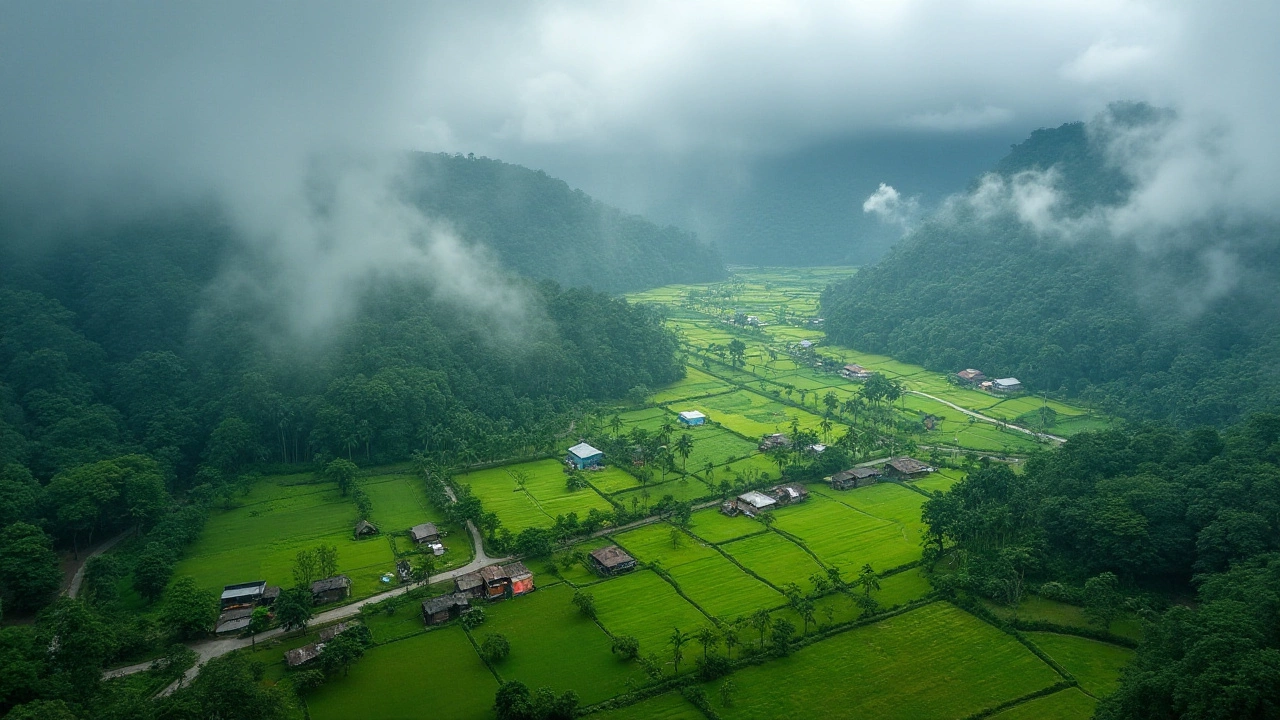
Navigating the Rainy Season in South India: Essential Travel Insights
South India's rainy season, largely dictated by the monsoon, brings lush landscapes and unique travel experiences. Spanning from June to September, the region transforms with verdant greenery and brimming water bodies. Understanding the monsoon's impact is key to planning a fulfilling journey. This guide explores the nature of South India's rains and offers practical advice for prospective travelers.
Read more