South India Attire: Traditional Clothing, Cultural Meaning, and What to Wear
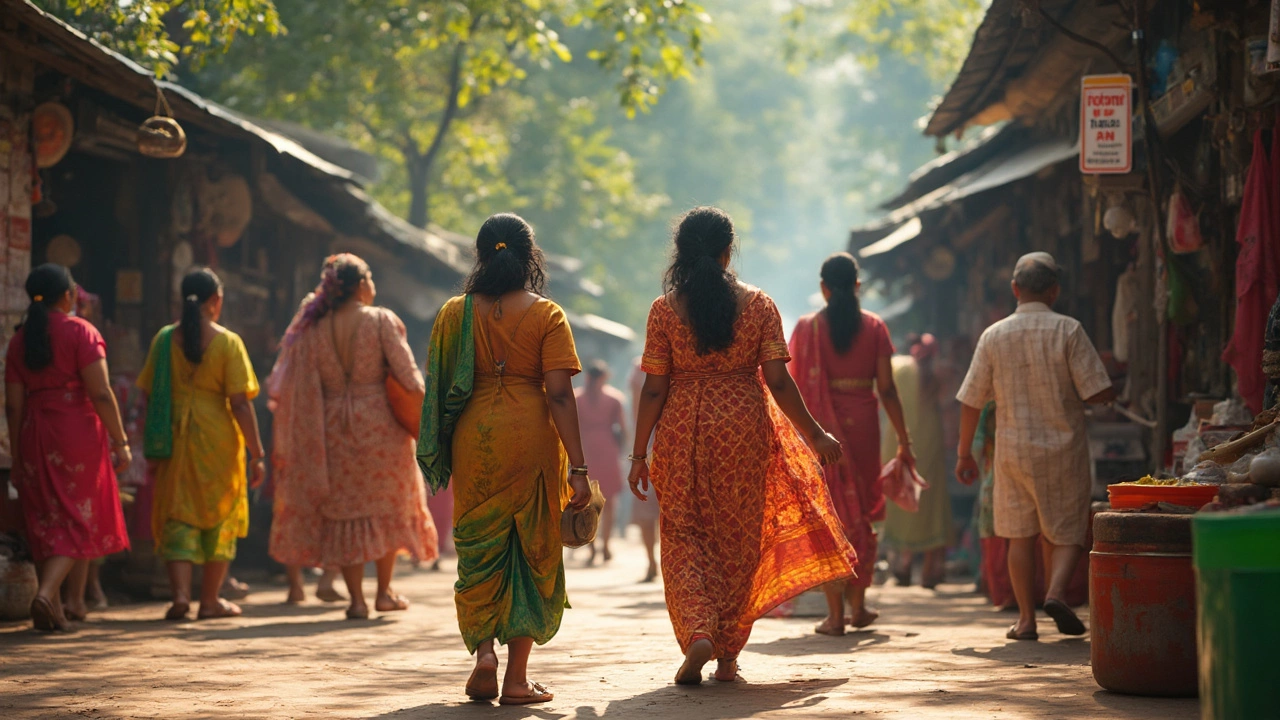
When you think of South India attire, the vibrant, handwoven fabrics and distinct styles worn across Tamil Nadu, Kerala, Karnataka, and Andhra Pradesh. Also known as Dravidian dress, it's not just clothing—it's a living tradition passed down through generations. Unlike the heavy brocades of North India, South Indian clothes are built for heat, humidity, and daily life. You’ll see women in crisp silk sarees draped in the Kanchipuram style, men in simple cotton dhotis tucked neatly at the waist, and children in bright, lightweight outfits that move with the rhythm of temple bells and monsoon rains.
These garments aren’t just about comfort—they carry deep meaning. A Kerala saree, a plain white or off-white fabric with gold border, worn by women in temples and weddings tells you something about the wearer’s community and occasion. In Tamil Nadu, the Tamil dhoti, a folded cotton cloth wrapped around the legs and tucked at the waist, often worn by older men and priests is tied in a way that allows easy movement during long temple rituals. Even the way a woman pins her blouse or the type of gold jewelry she wears signals her region, caste, or marital status. These details matter—especially if you’re visiting a temple or attending a local festival. Many temples still require visitors to cover shoulders and legs, and wearing a saree or dhoti isn’t just respectful—it’s often expected.
What you wear on the ground in South India affects how you’re seen. Tourists in shorts and tank tops might get polite smiles, but locals in traditional dress get deeper nods of recognition. You don’t need to buy a full silk set to fit in—many guesthouses rent simple cotton sarees or dhotis for a few rupees. And if you’re heading to a village fair or a temple festival, even a simple white cotton kurta with a dupatta can make you feel part of the scene. The real beauty of South India attire isn’t in its cost or complexity—it’s in how it connects people to land, ritual, and time.
Below, you’ll find real stories and tips from travelers who’ve worn—and been asked to wear—these clothes in real situations. Whether you’re wondering what to pack for a temple tour in Madurai, how to tie a dhoti without help, or why some women wear their sarees differently in coastal Karnataka, the posts here give you the straight facts—not just what looks good, but what actually works on the ground.
Can Tourists Wear Shorts in Kerala? Uncover the Truth
Visitors often wonder about the dress code in Kerala, a picturesque state in South India known for its rich cultural tapestry and gorgeous landscapes. While the weather is tropical and invites lighter clothing, understanding local customs is important. Wearing shorts is generally acceptable in urban and tourist areas, although modesty should be considered, especially in religious sites. This article delves into the cultural nuances to help tourists dress appropriately while enjoying their stay.
Read more