Sleeper Car Food: What to Eat on Long Train Journeys in India
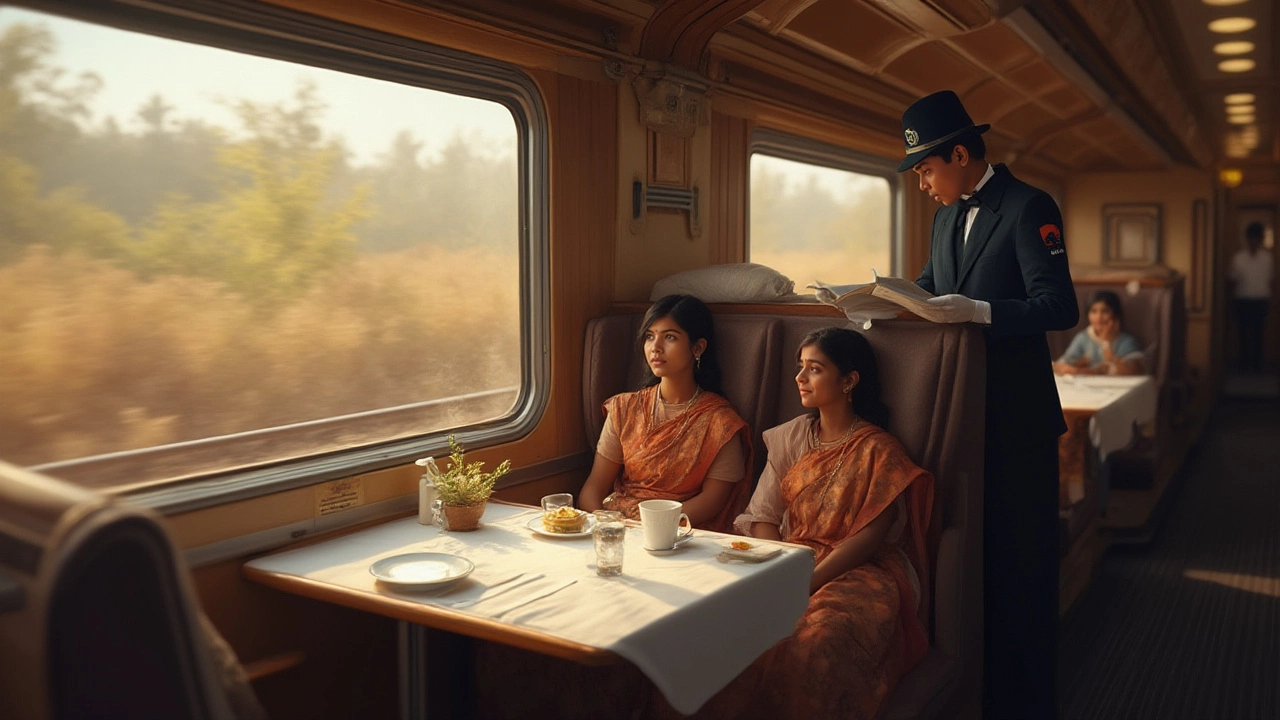
When you’re stuck on a 12-hour train ride in a sleeper car, a budget-friendly sleeping compartment on Indian railways where travelers rest overnight during long journeys, food isn’t just a convenience—it’s part of the experience. Whether you’re heading from Delhi to Kolkata or Mumbai to Chennai, knowing what to eat, where to get it, and what to skip can mean the difference between a smooth trip and a stomachache. Indian train food, the meals and snacks sold on board or at station stops during train journeys ranges from hot parathas handed through windows to pre-packed thalis delivered to your seat. It’s not fancy, but it’s real, local, and often surprisingly good—if you know the rules.
Most travelers stick to station vendors, local food sellers who crowd platforms during train stops to sell hot snacks and meals. These are your best bet. Look for stalls with a crowd—long lines mean fresh, fast turnover. A hot samosa with chutney, a plate of dal-chawal, or a steaming cup of masala chai are safe bets. Avoid anything sitting out in the open for hours, especially raw salads or cold drinks with ice. If you’re unsure, ask the vendor if the food was cooked that day. Many train stations have branded food counters now, like IRCTC’s e-catering, where you can order meals from local restaurants and have them delivered to your seat. It’s pricier, but clean and reliable. For snacks, pack dry options: roasted peanuts, biscuits, dried fruit, or even a wrapped roti with pickle. These won’t spoil, don’t need refrigeration, and help when the train’s late.
What you eat also depends on where you are. In North India, expect parathas and curd rice. In South India, you’ll get idli-sambar or pongal. The food changes with the region, and that’s part of the charm. Don’t expect five-star service—this isn’t a restaurant. But if you’re smart, you’ll taste real local flavors without the risk. You’ll also find that many people bring their own food from home. It’s common. Families pack tiffins with rice, dal, and vegetables wrapped in banana leaves. If you’re traveling with others, sharing meals is normal and even friendly. Just be respectful—some travelers prefer silence, others love to chat over food.
Hygiene matters more than you think. Always wash your hands before eating, even if you’re just grabbing a snack from the window. Carry wet wipes or hand sanitizer. Bottled water is a must. Never drink tap water, even if it’s boiled on the train. Stick to sealed bottles or ask if the tea is made with boiled water. And if you’re sensitive to spice, say so—most vendors will ease up if you ask.
What you find in the posts below covers exactly this: real advice from travelers who’ve been there. You’ll read about what Americans eat safely on Indian trains, how to avoid getting sick, which snacks work best, and why some station foods are legendary while others are best skipped. You’ll see how food choices tie into regional tastes, train culture, and safety tips that aren’t in any guidebook. Whether you’re planning your first long train ride or you’ve done ten and still get nervous about the food, these stories give you the practical, no-fluff truth you need to eat well—and stay well—on the rails.
Are Meals Free on Amtrak Roomette? A Complete Rider’s Guide
Find out if meals are free in Amtrak roomette, what to expect, and tips on getting the most from your sleeper car dining experience.
Read more