Shantiniketan: India's Cultural Heartland of Art, Education, and Quiet Beauty
When you think of Shantiniketan, a quiet town in West Bengal founded as an ashram and later home to India’s most influential poet and educator. Also known as the abode of peace, it’s where Rabindranath Tagore turned forest land into a living classroom that changed how India sees education and art. This isn’t just another heritage spot on a map. It’s where the rhythm of nature shaped learning, where students sat under trees instead of desks, and where music, poetry, and painting weren’t subjects—they were ways of life.
Shantiniketan is deeply tied to Rabindranath Tagore, the Nobel-winning poet, philosopher, and founder of Visva-Bharati University. Also known as Gurudev, he believed education should grow like a tree—rooted in local culture, open to the world, and free from rigid structures. His vision gave birth to Visva-Bharati University, a unique institution where learning blends with daily rituals, seasonal festivals, and hands-on crafts. This university isn’t just a college—it’s a living tradition, still teaching music, dance, and rural arts the way Tagore dreamed. The town itself feels like an extension of the campus: open-air classes, handwoven textiles, folk songs echoing in the evening, and the smell of earth after rain.
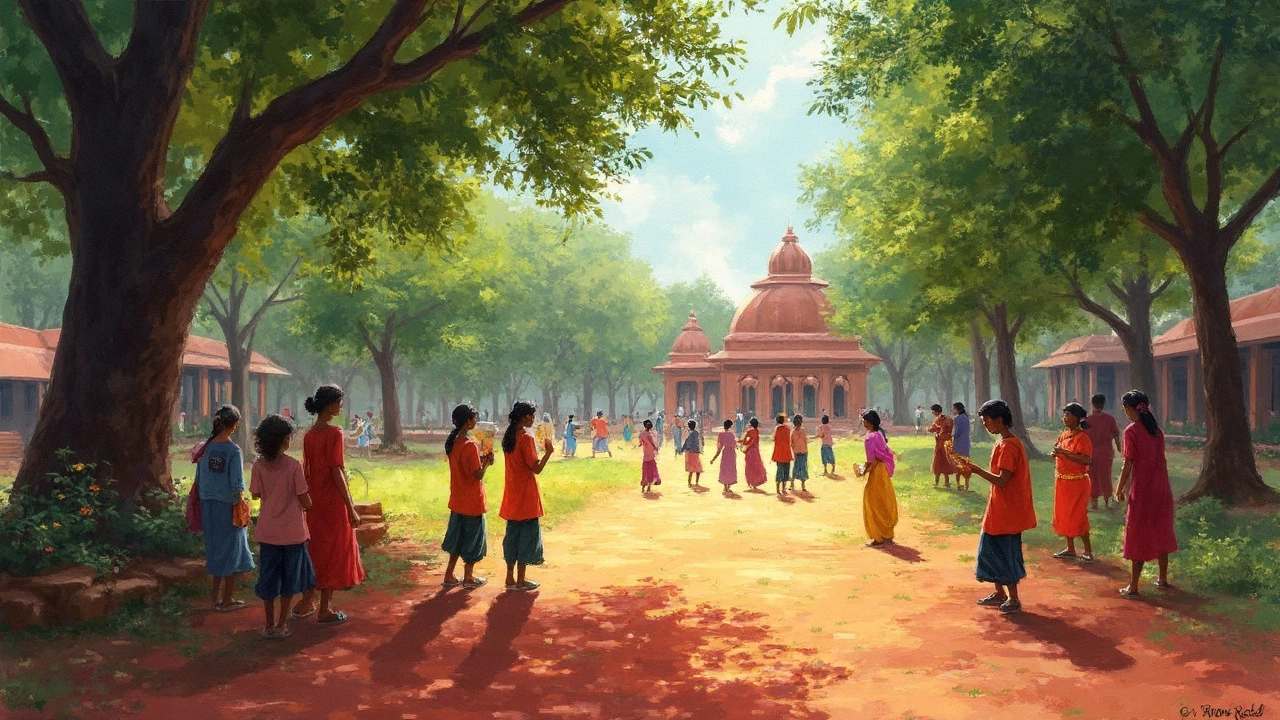
Shantiniketan doesn’t shout. It whispers. You won’t find neon signs or crowded malls. Instead, you’ll find artists sketching in the shade of banyan trees, students strumming sitars on verandas, and quiet temples tucked into groves. It’s part of the larger Bengali culture, a rich tradition of literature, music, and intellectual freedom that shaped modern India. This is where Tagore wrote Gitanjali, where the annual Poush Mela draws thousands for folk fairs and poetry readings, and where the air still carries the echo of his voice asking, "Where the mind is without fear."
What makes Shantiniketan special isn’t just its history—it’s how alive it still is. You can walk through the same paths Tagore walked, sit where students once learned under the open sky, and taste the same simple meals served in the ashram kitchens. It’s not a museum. It’s a continuing story. And if you’ve ever wondered what real cultural immersion looks like—this is it.
Below, you’ll find real travel stories, cultural insights, and practical tips from people who’ve visited Shantiniketan—not as tourists, but as seekers. Whether you’re drawn by Tagore’s legacy, the quiet beauty of its landscapes, or the living art that still thrives here, you’ll find something that stays with you long after you leave.
Is Shantiniketan a World Heritage Site? Find Out the Real Deal
Is Shantiniketan really a UNESCO World Heritage site? This article explains the facts behind its global recognition and why it matters. Discover what sets Shantiniketan apart from other sites in India. Get insider tips for visiting and learn how its status impacts the local community. Straight answers for anyone curious about India’s unique heritage spots.
Read more