Safe Eating in India: What You Need to Know Before You Bite
When you’re traveling in India, safe eating in India, the practice of choosing food and drinks that reduce the risk of illness while enjoying local flavors. Also known as food safety while traveling in India, it’s not about avoiding Indian food—it’s about knowing how to enjoy it without getting sick. Millions of travelers eat street food, local curries, and fresh fruit every day without issues. The key isn’t fear—it’s awareness.
Many people assume that spicy food causes stomach problems, but it’s usually water, ice, or uncooked ingredients that trip you up. street food in India, vibrant, affordable meals sold by vendors on sidewalks and markets. Also known as Indian roadside cuisine, it’s often the most delicious part of your trip—if you pick wisely. Look for stalls with a crowd of locals. High turnover means fresh food. Watch if they use clean utensils, boil water for tea, and peel fruit in front of you. Avoid anything sitting out in the open heat for hours. If the vendor washes their hands after handling cash, that’s a good sign.
travel health in India, the steps travelers take to avoid illness from food, water, or environment while exploring the country. Also known as India travel precautions, it includes simple habits like carrying hand sanitizer, drinking sealed bottled water, and skipping ice unless you know it’s made from purified water. Bottled water isn’t just for drinking—it’s for brushing your teeth too. Even a sip of tap water can cause trouble if your stomach isn’t used to it. Stick to hot, freshly cooked meals. A curry that’s bubbling on the stove is safer than a cold salad. And don’t feel bad saying no to that tempting but unpeeled mango if the vendor’s hands look dirty.
India’s food culture is deeply tied to tradition, and many vendors follow practices passed down for generations. That’s why you’ll find families eating the same food their grandparents did—without getting sick. It’s not magic. It’s experience. Your body might need a few days to adjust, but most travelers adapt quickly. Pack oral rehydration salts. They’re cheap, light, and can save your trip if things go sideways.
Don’t let fear keep you from tasting the best of India. The goal isn’t to eat like a local overnight—it’s to eat smart, stay curious, and trust your instincts. If a place looks clean, smells good, and is busy, it’s probably safe. If something feels off, walk away. You’ll find dozens of options on every street. And when you do find that perfect plate of chaat or dosa that doesn’t give you trouble? That’s the real win.
Below, you’ll find real stories, practical checklists, and traveler-tested tips on how to enjoy India’s incredible food without the risk. Whether you’re in Delhi, Goa, or Varanasi, these guides will help you eat with confidence.
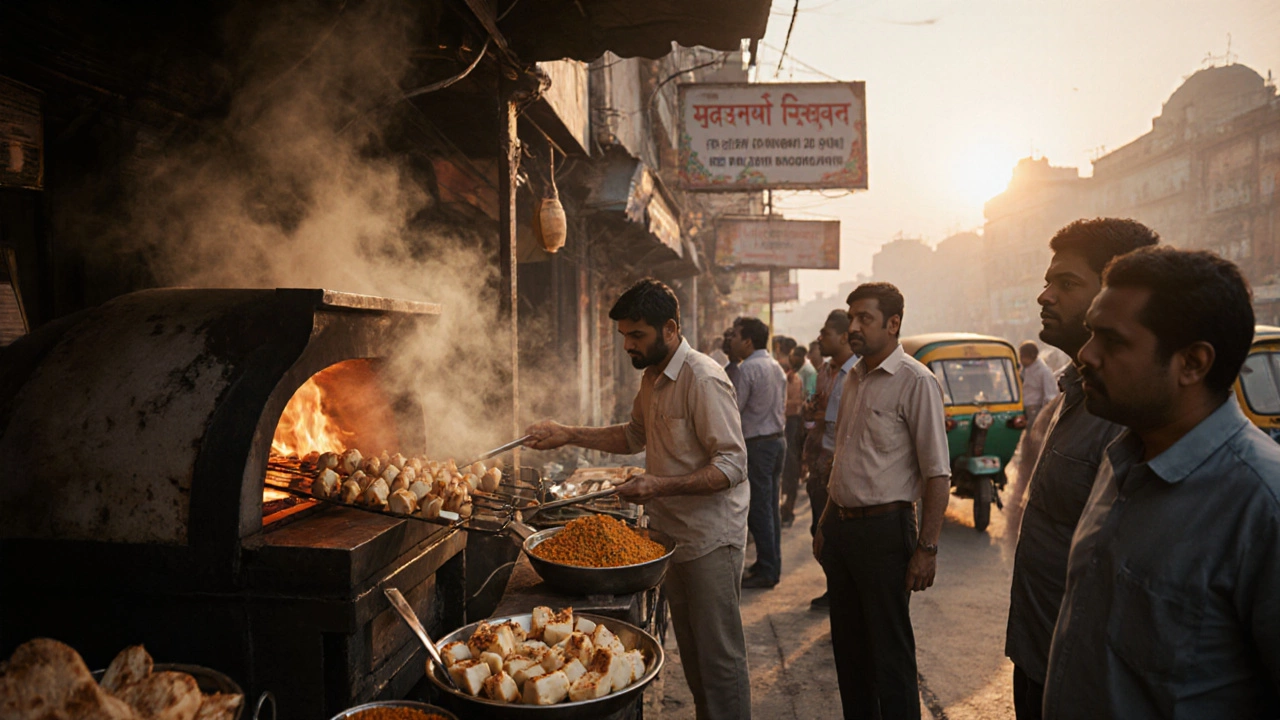
What Americans Can Eat in India: A Practical Guide to Safe, Delicious Food in North India
Americans can enjoy delicious North Indian food safely by choosing hot, freshly cooked dishes from busy stalls. Learn what to eat, what to avoid, and how to navigate street food without getting sick.
Read more