Rainy Season South India
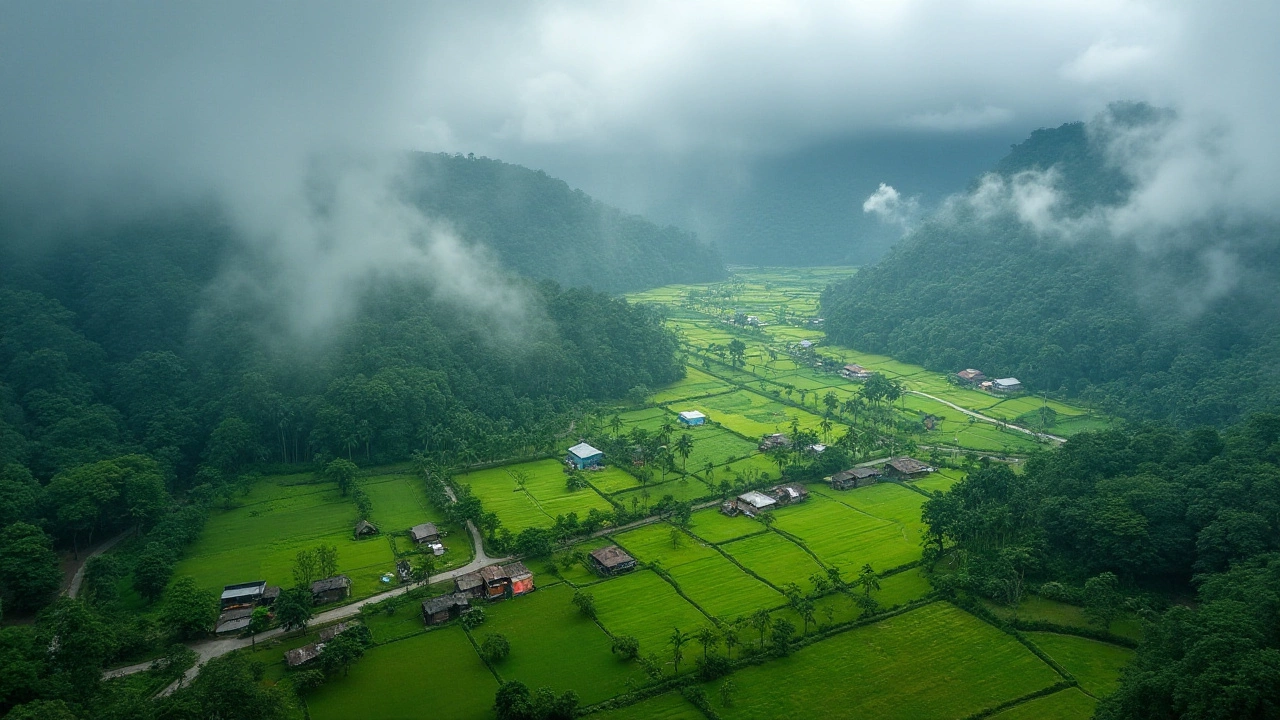
When the rainy season in South India, the annual monsoon that transforms the region into a green paradise with waterfalls, misty hills, and overflowing rivers. Also known as southwest monsoon, it arrives between June and September and shapes everything from farming to festivals across Kerala, Tamil Nadu, Karnataka, and Andhra Pradesh. This isn’t just about rain—it’s about a whole different rhythm of life, where roads turn into reflections, temples glow under mist, and the air smells like wet earth and jasmine.
Travelers often avoid South India during monsoon, thinking it’s too wet or unsafe. But that’s a myth. While some coastal roads flood and a few hill stations get fogged in, places like Munnar, Coorg, and Pondicherry come alive. The heat drops, crowds vanish, and hotels offer deep discounts. You’ll find local guides who know which backwater routes still work, which temples have the best monsoon rituals, and where to sip chai while watching thunder roll over the Western Ghats. It’s not the time for beach lounging—unless you’re in Goa, which gets less rain than the rest—but perfect for temple tours, tea plantation walks, and quiet boat rides through backwaters that feel like another world.
The Kerala monsoon, a cultural and natural event that turns the state into a living postcard with paddy fields, spice gardens, and Ayurvedic retreats thriving. Also known as southwest monsoon in Kerala, it’s when the region’s famous Ayurvedic treatments are most effective, thanks to the humid air and cooler temperatures. Meanwhile, Tamil Nadu rainy season, brings heavy downpours to the Coromandel Coast, but also clears the air over Mahabalipuram and makes the temples of Madurai feel even more sacred. Also known as northeast monsoon in Tamil Nadu, it hits later, from October to December, and is actually the main rainy season there—not the June one. These aren’t just weather patterns—they’re traditions. In Kerala, people celebrate the monsoon with boat races and temple festivals. In Karnataka, the hills of Coorg turn into coffee-scented wonderlands. And in Pondicherry, the French Quarter stays quiet, perfect for reading under a covered veranda.
You won’t find crowds at the beaches, but you’ll find real life. Locals sell ripe jackfruit under umbrellas. Fishermen mend nets in the rain. And taxi drivers who know the shortcuts become your best friends. The roads are slick, yes—but the views are unmatched. Waterfalls you’ve only seen in photos are now roaring. Rice fields stretch endlessly, glowing emerald under gray skies. And the silence after a storm? It’s the kind you can’t buy in a resort.
What you’ll find below are real stories from travelers who braved the rain and came back with the best memories—not the ones from Instagram, but the ones they lived. From hidden homestays that stay dry even when the rivers rise, to temple festivals that only happen in monsoon, to the exact months when South India is cheapest and most beautiful. No fluff. No hype. Just what works when the clouds roll in.
Navigating the Rainy Season in South India: Essential Travel Insights
South India's rainy season, largely dictated by the monsoon, brings lush landscapes and unique travel experiences. Spanning from June to September, the region transforms with verdant greenery and brimming water bodies. Understanding the monsoon's impact is key to planning a fulfilling journey. This guide explores the nature of South India's rains and offers practical advice for prospective travelers.
Read more