Oldest Culture in India: Roots, Traditions, and Living Heritage
When we talk about the oldest culture, a continuous, unbroken civilization that has shaped daily life, religion, and art for over 5,000 years. Also known as Indus Valley civilization, it laid the foundation for what we now call Indian cultural heritage—a living, breathing system still visible in temple rituals, family customs, and food traditions. Unlike other ancient societies that vanished, India’s culture didn’t die. It evolved, absorbed, and adapted—without ever losing its core.
This culture isn’t locked in ruins. It’s in the chants at the Kumbh Mela, the morning prayers in Varanasi, the rice fields of Tamil Nadu, and the handwoven saris passed down for generations. The Hinduism origins tie directly into this, because Hinduism isn’t a religion founded by one person—it grew from the land, the rivers, the stars, and the voices of countless communities over millennia. That’s why you’ll find thousands of unique temple styles across India, each reflecting local beliefs rooted in the same ancient soil. And it’s why India has 42 UNESCO World Heritage Sites—not because someone decided to list them, but because these places are still alive with meaning.
The UNESCO heritage India list includes places like the Ajanta Caves, Hampi, and the Khajuraho temples—not just because they’re old, but because they show how art, faith, and daily life were woven together. You won’t find a museum display of this culture. You’ll find it in the way a grandmother teaches her granddaughter to make roti, in the drumbeats of a village festival, in the silence of a temple courtyard at dawn. This isn’t history you read about. It’s something you feel.
What you’ll find in the posts below isn’t a list of ancient facts. It’s proof that this oldest culture still moves, breathes, and welcomes travelers. From the busiest temple festivals to the quietest heritage towns, these stories show how India’s ancient roots shape modern journeys. Whether you’re standing on a beach in Kerala or climbing steps to a 12th-century temple, you’re walking where this culture has always been.
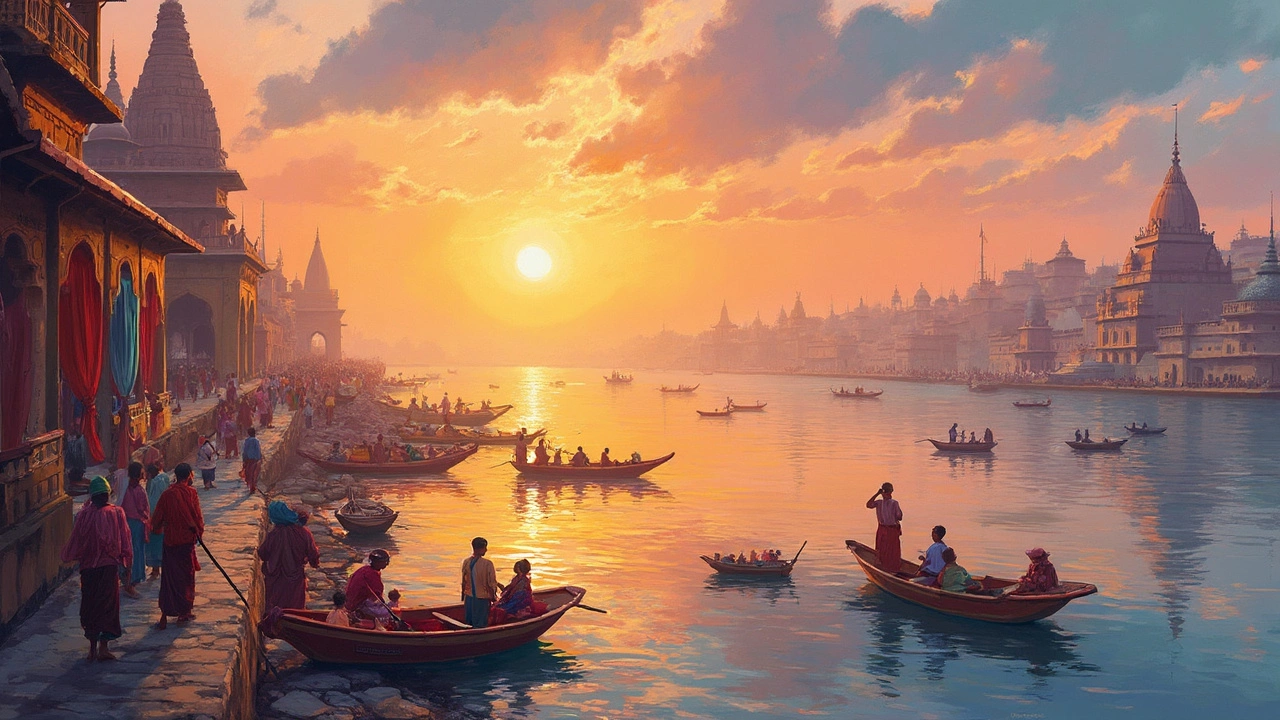
Is India the Oldest Culture in the World? Unveiling Ancient Heritages
India boasts an intricate tapestry of culture and history, captivating many with its claim as one of the oldest continuous civilizations. With an array of mesmerizing heritage sites, India invites us to explore its past, from the ancient Indus Valley to the spiritual streets of Varanasi. This deep dive sheds light on India's cultural continuity and the timeless traditions that still thrive today. Are these claims of being the oldest culture accurate? Let’s unpack the evidence and stories.
Read more