Mountaineering Risks: What You Need to Know Before You Climb
When you talk about mountaineering risks, the physical and environmental dangers faced by climbers at high altitudes. Also known as high altitude climbing dangers, it includes everything from thin air and freezing temperatures to rockfalls and avalanches. This isn’t just about being fit—it’s about understanding what can go wrong and how to prepare for it.
One of the biggest high altitude dangers, the life-threatening effects of low oxygen on the body at elevations above 2,500 meters. Also known as altitude sickness, it hits fast and quietly. Headaches, nausea, dizziness—these aren’t just discomforts. They’re warning signs. People have died because they ignored them. The body doesn’t adapt overnight, even for experienced climbers. And it’s not just about Everest or K2. Even popular treks like K2 Base Camp or routes in the Himalayas carry the same risks. You don’t need to be scaling the world’s tallest peaks to face serious consequences.
Then there’s the weather. Mountains don’t care about your itinerary. A clear morning can turn into a whiteout by noon. Wind speeds can hit 100 km/h. Temperatures drop below -30°C. You can have the best gear, but if you’re caught unprepared, it’s over. climbing safety, the practices and equipment used to prevent injury or death during mountain expeditions. Also known as mountain expedition safety, it isn’t optional—it’s your lifeline. That means knowing how to read a forecast, carrying emergency supplies, and having a plan to turn back. No summit is worth your life.
And let’s not forget the terrain. Loose rocks, hidden crevasses, icy slopes—each step can be a gamble. Many accidents happen not on the summit push, but on the descent, when climbers are tired and complacent. Gear failure, poor route choice, lack of experience—these aren’t just statistics. They’re real stories. People get stranded. People get lost. And rescue in remote mountains isn’t like calling 911. It’s expensive, slow, and sometimes impossible.
You’ll find posts here that dig into the toughest treks in Asia, like the K2 Base Camp route, and others that explain how to get permits for Everest Base Camp. You’ll see how weather, altitude, and physical condition all tie together. You’ll learn what separates a well-prepared climber from someone who just got lucky. This isn’t a travel guide for casual hikers. It’s a reality check for anyone thinking about pushing beyond the trailhead.
Whether you’re planning a trip to the Himalayas, the Karakoram, or even the Western Ghats, the risks don’t change. What changes is your preparation. The posts below give you the facts—not the fluff. No marketing. No hype. Just what you need to know before you lace up your boots and head up.
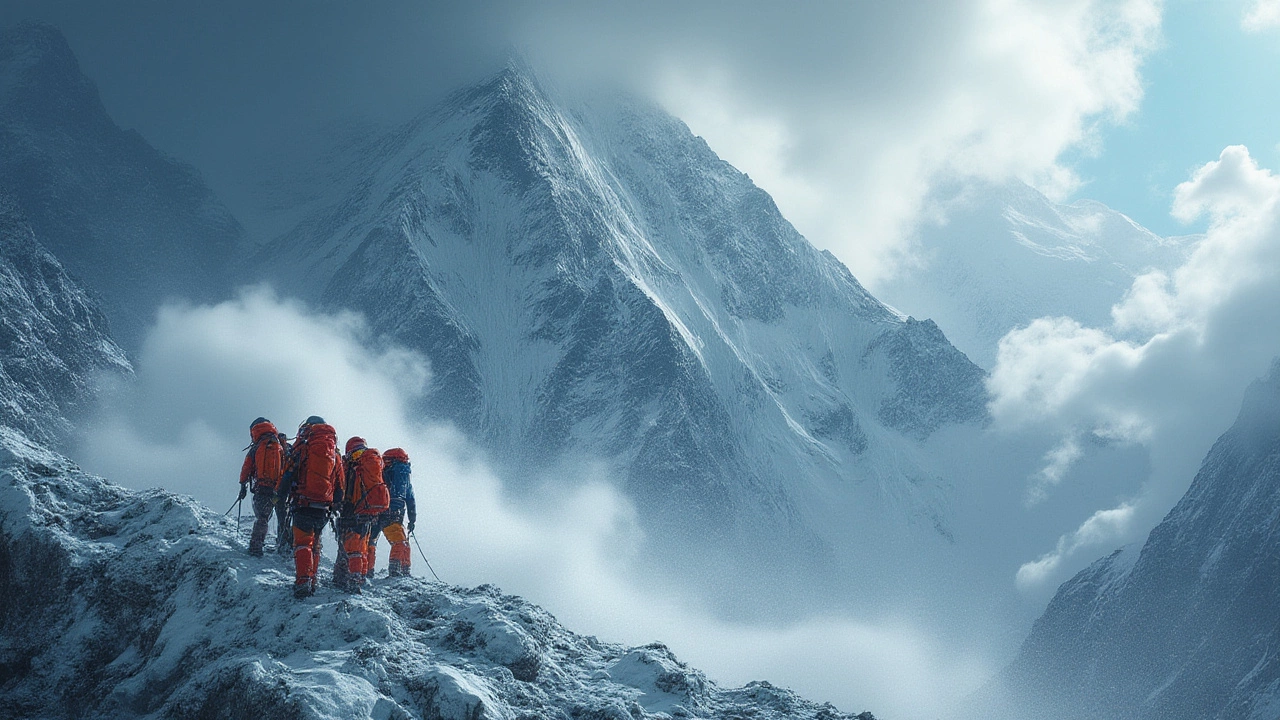
Deadliest Mountain Climb: Ranking the Most Dangerous Ascents on Earth
Discover why Annapurna I holds the grim record as the deadliest climb. Explore chilling stories, infamous peaks, survival tips, and the sobering stats behind high-altitude risk.
Read more