Mountaineering in India: Best Peaks, Routes, and Trekking Tips
When you think of mountaineering, the physical and mental challenge of climbing high-altitude peaks, often involving technical gear and endurance. Also known as alpine climbing, it's not just about reaching the top—it's about pushing limits in some of the world’s most dramatic landscapes. India isn’t just about temples and beaches. It’s home to some of the toughest and most beautiful mountains on Earth, from the frozen spires of the Himalayas to the remote ridges of the Karakoram. If you’ve ever wondered what it feels like to stand above the clouds with nothing but wind and rock around you, India gives you that chance—without needing to leave the country.
Mountaineering here isn’t a single activity—it’s a spectrum. At one end, there’s K2 Base Camp, a grueling high-altitude trek through Pakistan-administered Kashmir, known as the hardest trek in Asia. At the other, you’ve got Everest Base Camp, a popular route that starts in Nepal but is accessed by Indian trekkers with the right permits and preparation. These aren’t hikes. They’re expeditions that test your stamina, gear choices, and mental focus. And yes, you need permits. You need acclimatization. You need to know how to handle thin air and sudden weather shifts. But if you’ve done your homework, the views—glaciers stretching like frozen rivers, peaks glowing pink at sunrise—make every step worth it.
India’s own peaks like Nanda Devi, Kamet, and Stok Kangri draw serious climbers every year. You won’t find crowds here like on the Inca Trail. You’ll find silence, solitude, and a raw connection to the mountains that few places on Earth can match. Local guides in Ladakh, Uttarakhand, and Sikkim know these routes better than anyone. They’ll tell you which passes are safe in May, where the water freezes at night, and which tea houses still serve hot dal after a 12-hour climb. This isn’t a tourist attraction. It’s a test of will—and the reward isn’t just a photo. It’s knowing you made it through when most would turn back.
What you’ll find in the posts below aren’t just travel tips. They’re real stories from people who’ve stood on ridges at 20,000 feet, dealt with altitude sickness, packed their own gear, and survived nights in freezing tents. You’ll learn how to get permits for Everest without getting scammed, why K2 Base Camp isn’t for beginners, and what gear actually works when the wind hits 60 mph. Whether you’re planning your first high-altitude trek or dreaming of summiting a 7,000-meter peak, this collection gives you the facts—no fluff, no hype, just what you need to know before you lace up your boots.
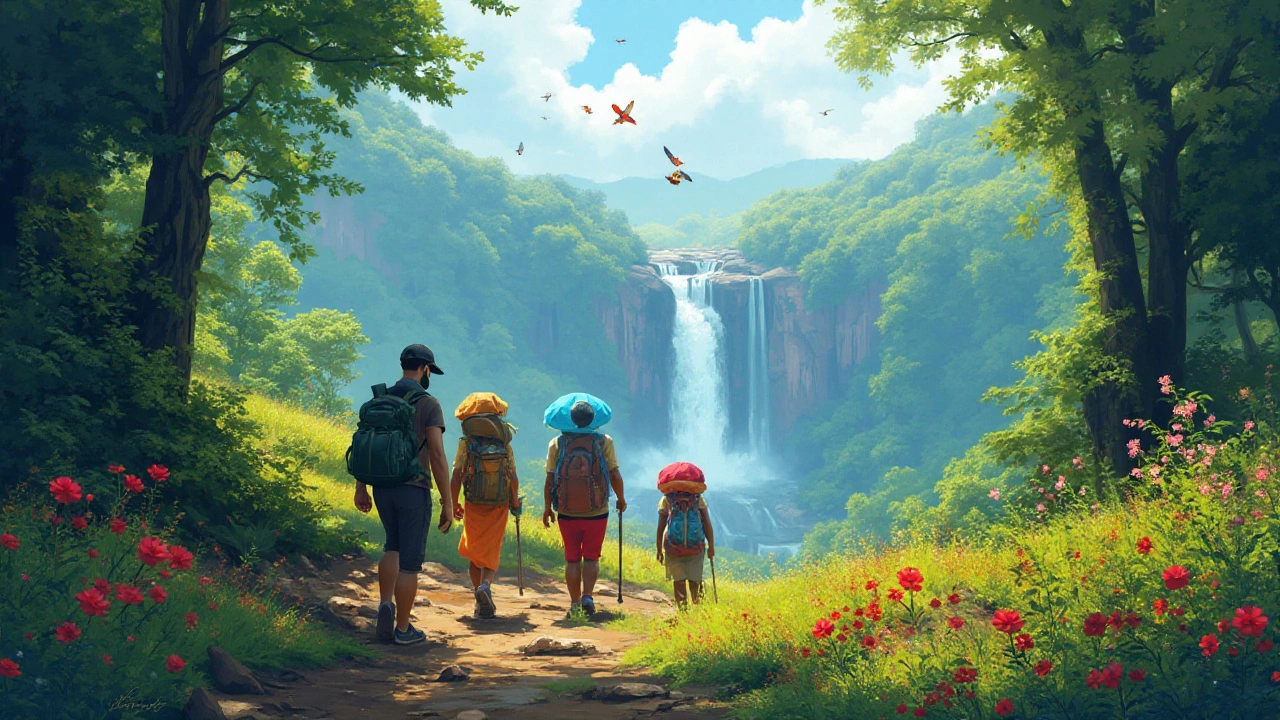
Difference Between Mountaineering and Trekking in India: A Comprehensive Guide
Mountaineering and trekking are two distinct outdoor activities often confused for each other, especially in a country like India with diverse landscapes. While both offer unique challenges and experiences, mountaineering typically involves climbing to a summit with technical skills, whereas trekking refers to long hikes on trails or paths. This article explores the key differences between the two, including the skills required, equipment needed, and popular destinations in India for each activity.
Read more