Mobile Network in India: Coverage, Providers, and Travel Tips
When you're traveling across India, your mobile network, the system that lets your phone connect to calls, texts, and the internet through cell towers. Also known as cellular network, it's the lifeline for navigation, ride-hailing apps, and staying in touch with family or your taxi driver. Without a working signal, even the best-planned trip can fall apart. Whether you're in the busy streets of Delhi or the quiet hills of Himachal, your phone needs to work—and not all networks deliver the same.
India has four major telecom providers, companies that build and manage the infrastructure for phone and internet services. Also known as mobile carriers, they include Jio, Airtel, Vi (Vodafone Idea), and BSNL. Among these, Jio and Airtel dominate in most cities and tourist spots because they offer the fastest data speeds and widest coverage. If you're heading to rural areas, mountain regions, or remote temples, you might lose signal with Jio—but Airtel often picks up where it drops. BSNL, though older and slower, still works in places where others don’t, especially in parts of North East India or along the Himalayan trails.
Network strength doesn't just depend on the provider—it also changes with location. In Goa, you’ll get strong 4G almost everywhere, even on quiet beaches. But in Ladakh or the Western Ghats, signals thin out fast. Tourists often buy a local SIM card at the airport because international roaming is expensive and unreliable. Airtel and Jio offer prepaid plans under ₹200 that give you 20-30 GB of data, unlimited calls, and work across states. No ID? No problem—most shops accept your passport for SIM registration. Just make sure your phone is unlocked before you land.
Some travelers don’t realize how much their network coverage, the geographic area where a mobile service is available and usable. Also known as signal range, it affects everything from booking a taxi to finding a restaurant with good reviews. If you're planning a temple tour in Tamil Nadu or trekking in Uttarakhand, check coverage maps ahead of time. Apps like OpenSignal show real-time signal strength from users, not just carrier claims. In places like Mundeshwari Temple or Kumbh Mela grounds, thousands of people use the same towers at once—so even the best network can slow down to a crawl. Carry a power bank, download offline maps, and keep a printed address of your hotel just in case.
There’s no single "best" mobile network in India—it depends on where you go and what you need. For cities and highways, Jio wins on price and speed. For reliability in tough terrain, Airtel is the quiet hero. And if you're heading off-grid, having both a Jio and Airtel SIM in your phone (dual-SIM phones are common here) gives you a backup. Most travelers stick with one provider, but smart ones carry two.
Below, you'll find real stories from tourists and locals about where mobile networks worked, where they failed, and how to avoid getting stranded without service. Whether you're checking taxi apps in Mumbai, translating signs in Varanasi, or live-streaming from a hilltop temple, knowing which network to trust makes all the difference.
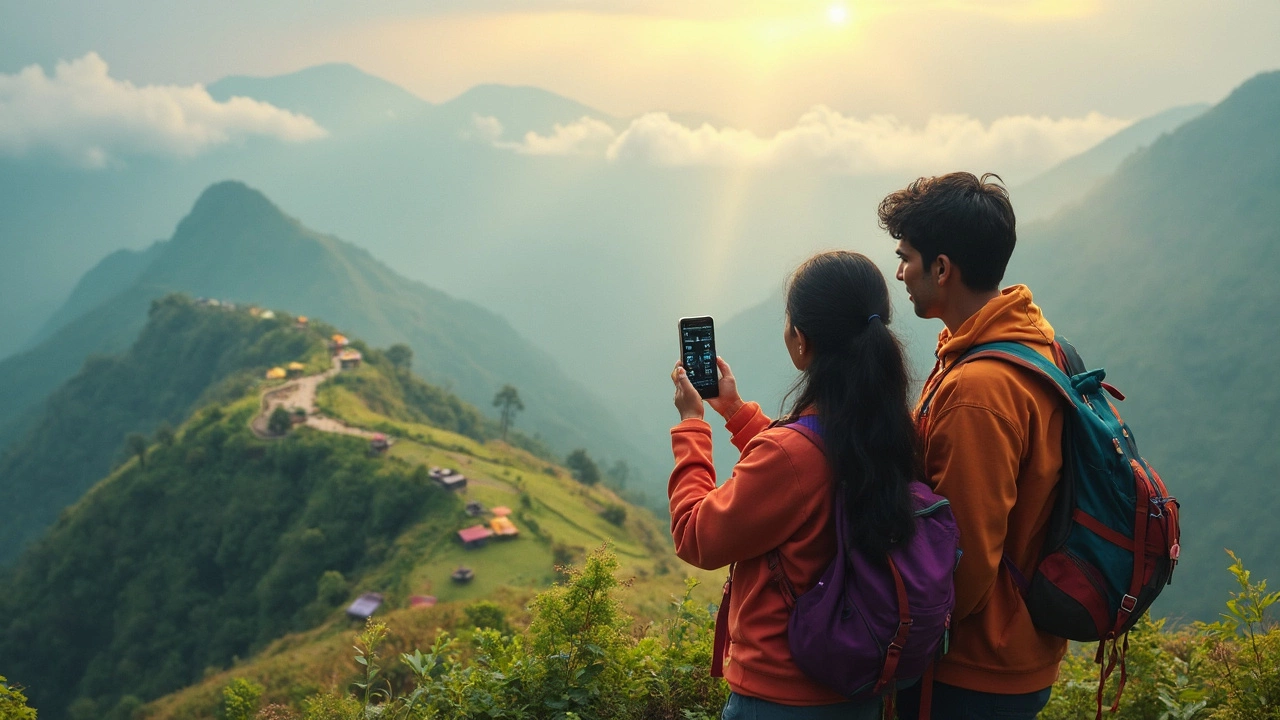
Best Network in Hill Station: How to Stay Connected
Wondering which mobile network keeps you connected in the hills? This article digs into which networks actually work when you're traveling to hill stations. We look at the strongest options, common connectivity issues, and real-world tricks to avoid signal loss. Save yourself from getting stranded without service on your next trip to the mountains. Stay connected, even above the clouds.
Read more