Mixed Heritage Site: What It Means and Why India’s Top Sites Belong Here
A mixed heritage site, a location recognized by UNESCO for having both outstanding cultural and natural value. Also known as composite heritage site, it’s not just a place you visit—it’s a living blend of human history and natural wonder. Think of a temple carved into a mountain range, or a forest where ancient rituals are still practiced. These aren’t just pretty views or old buildings—they’re places where culture and nature shaped each other over centuries.
India has a handful of these rare mixed heritage sites, and they’re some of the most powerful travel experiences you can have. Unlike purely cultural sites like the Taj Mahal or purely natural ones like the Western Ghats, mixed sites force you to see both sides at once. The Khangchendzonga National Park in Sikkim is one example: it’s home to the world’s third-highest peak, sacred to local communities who believe the mountain holds divine power. The same land that supports rare snow leopards also hosts centuries-old monasteries and pilgrimage trails. Then there’s the Great Himalayan National Park—a biodiversity hotspot that also holds ancient shepherd paths and shrines tied to local folklore. These aren’t just parks with signs. They’re places where people still live, pray, and move through the land the way their ancestors did.
What makes these sites special isn’t just their beauty—it’s their balance. A cultural site might tell you about art or religion. A natural site might show you wildlife or geology. But a mixed heritage site shows you how the two are inseparable. That’s why UNESCO lists them with extra care. In India, only a few places earn this title, and each one tells a deeper story: how humans didn’t just live in nature, but became part of it. That’s why visiting these places feels different. You’re not just sightseeing—you’re stepping into a living tradition.
When you look through the posts here, you’ll find guides to India’s most iconic heritage spots—from ancient temples tucked into jungles to pilgrimage routes that cross mountain passes. Some focus on the history. Others on the trails. But they all circle back to the same truth: the best places to explore in India aren’t just famous. They’re layered. Whether you’re planning a temple tour, a trek, or just want to understand why certain spots feel sacred, the answers are in the land itself.
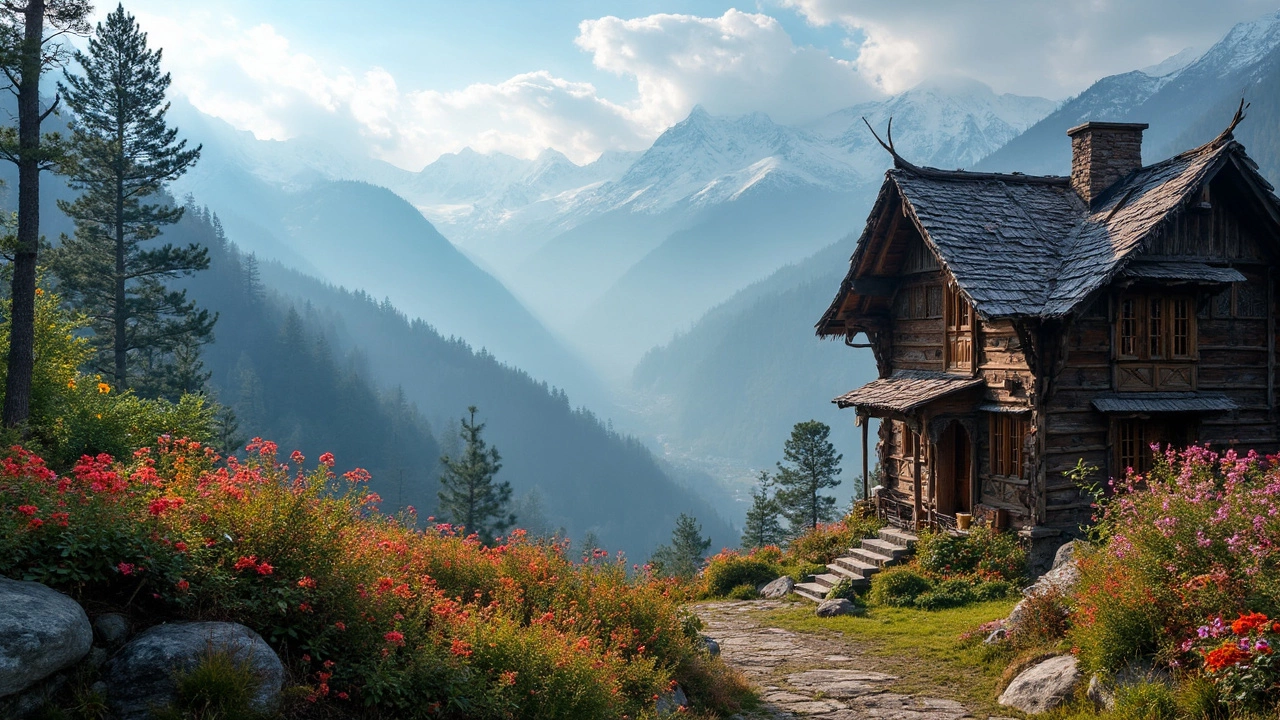
Exploring India's Only Mixed World Heritage Site: A Comprehensive Guide
Discover India's unique mixed World Heritage Site that combines natural beauty with cultural richness. Learn about the Great Himalayan National Park, its rich biodiversity, and the cultural traditions of the indigenous communities. Understand what makes it stand out as a UNESCO mixed heritage site and how you can explore its wonders. The article provides practical tips for visitors and insights into its conservation significance.
Read more