Kumbh Mela: The World's Largest Religious Gathering and What to Expect
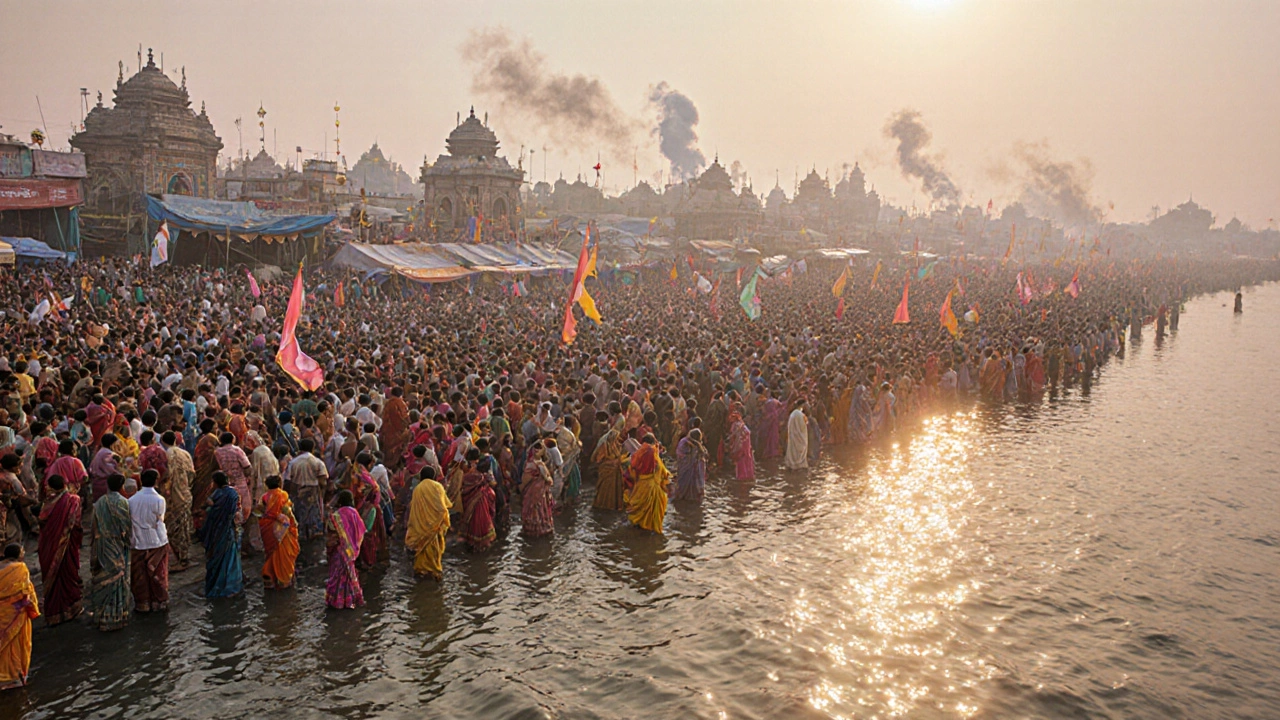
When you think of mass gatherings, you might picture sports finals or music festivals. But nothing compares to the Kumbh Mela, a massive Hindu pilgrimage that rotates between four sacred river sites in India, drawing up to 150 million people in a single month. Also known as the Kumbha Mela, it’s not just a festival—it’s a spiritual reset for millions. This isn’t a parade or a show. It’s a living, breathing act of faith where people walk for days, sleep on the ground, and bathe in icy rivers to wash away sins. The scale is almost impossible to grasp—imagine every person in New York City, Los Angeles, and Chicago showing up in one place at once, all for the same reason.
The Kumbh Mela happens every three years, rotating between four holy sites: Prayagraj (formerly Allahabad), Haridwar, Ujjain, and Nashik. Each location sits on a river considered sacred in Hinduism—the Ganges, the Shipra, or the Godavari. The full cycle completes every 12 years, but the biggest version, the Maha Kumbh Mela, the once-in-144-year event held only in Prayagraj, draws the largest crowds. Pilgrims don’t just come from India. You’ll see people from Nepal, Bangladesh, Sri Lanka, and even Western countries who’ve been drawn by stories of its power. The event ties directly to ancient myths about the nectar of immortality and a cosmic battle between gods and demons. That’s why the bathing dates matter so much—they’re based on precise astrological alignments, not just calendars.
What makes the Kumbh Mela so special isn’t just the size—it’s the order within chaos. There are no ticket booths, no assigned seats, no security checkpoints like at a stadium. Instead, you have organized akharas—spiritual sects with their own tents, leaders, and rituals. Sadhus, or holy men, arrive weeks early, some covered in ash, others with long matted hair, meditating in the cold. The riverfront becomes a city overnight, with food stalls, medical tents, and even mobile ATMs. But don’t mistake it for a tourist attraction. Locals say if you go with the wrong mindset, you’ll miss the point. The real experience isn’t in taking photos—it’s in feeling the collective energy, the silence between chants, the way a stranger will offer you water without asking for anything in return.
If you’re planning to go, you need to know when the main bathing days fall—those are the days the crowds peak. The first one is usually the most intense. Bring layers, even in summer; nights get chilly. Stick to bottled water, avoid street food unless it’s piping hot, and never walk alone after dark. The government sets up thousands of security personnel and medical teams, but you still need to be smart. And if you’re traveling by taxi—like many do—book ahead. Roads get blocked, detours multiply, and your driver might not know the route unless they’ve done it before.
Below, you’ll find real travel stories, safety tips, and practical advice from people who’ve been there. Whether you’re curious about the rituals, worried about crowds, or just want to know what to pack, these posts cover what actually matters—not the brochures, but the truth.
India’s Biggest Temple Festival: Kumbh Mela and Other Grand Celebrations
Discover India's biggest temple festival, the Kumbh Mela, and compare it with other massive celebrations like Rath Yatra and Durga Puja. Get attendance stats, travel tips, and a practical checklist for a smooth pilgrimage experience.
Read more