Jodhpur: Rajasthan's Blue City Guide with Temples, Forts, and Local Food
When you think of Jodhpur, a historic city in Rajasthan, India, known for its striking blue-painted houses and massive fort overlooking the desert. Also known as the Blue City, it's one of the most visually unforgettable places in India, where the sky meets walls painted in shades of indigo and cobalt. This isn’t just a pretty facade—Jodhpur’s blue homes were originally painted to keep insects away and to reflect the harsh sun. But over time, it became a symbol of identity, tradition, and pride for the Brahmin community. Today, it draws travelers from all over the world who want to walk its narrow alleys, climb its ancient ramparts, and taste food that’s as bold as its colors.
Jodhpur isn’t just about looks. At its heart sits Mehrangarh Fort, a 15th-century fortress perched on a 125-meter-high hill, considered one of the largest and most impressive forts in India. Also known as Mehrangarh, it holds royal artifacts, intricate carvings, and panoramic views that make it a must-see for anyone visiting Rajasthan. Inside, you’ll find museums that tell the story of the Rathore dynasty, while the courtyards echo with centuries of music, warfare, and courtly life. Nearby, the Umaid Bhawan Palace, one of the world’s largest private residences, built in the 1920s as a famine relief project. Also known as Umaid Bhawan, it now serves as a luxury hotel and museum, blending Art Deco elegance with Rajasthani architecture. Whether you stay overnight or just tour the grounds, it’s a glimpse into royal life that feels both grand and personal.
Food in Jodhpur is another layer of its charm. You’ll find spicy mirchi vada, sweet ghewar, and savory dal baati churma—dishes that taste even better when eaten at a roadside stall near the clock tower. Unlike other cities where tourists stick to tourist menus, Jodhpur lets you eat like a local, with no pressure, no gimmicks, just flavor. The city’s markets, like Sardar Market and Clock Tower, are packed with spices, textiles, and handmade crafts. You won’t find mass-produced souvenirs here—just real things, made by real people, sold with a smile.
Temple tours in Jodhpur are quiet but powerful. The Jaswant Thada, a marble memorial built for a 19th-century ruler, looks like a dream carved in stone. It’s not crowded, not loud, just peaceful. And if you’re curious about ancient history, the Balsamand Lake and its temple complex offer a serene escape from the city’s buzz. Jodhpur doesn’t shout—it invites you to listen.
People come here for the views, the history, the food. But they stay because Jodhpur feels alive in a way that few places do. It’s not a museum. It’s not a theme park. It’s a living, breathing city where tradition isn’t preserved behind glass—it’s worn on the streets, cooked in the kitchens, and sung in the alleys. Whether you’re arriving by taxi from Jaipur, flying in from Delhi, or driving through the Thar Desert, Jodhpur greets you with open arms and a sky full of blue.
Below, you’ll find real traveler stories, food tips, safety advice, and hidden spots that most guides miss. No fluff. No filler. Just what you need to know before you go.
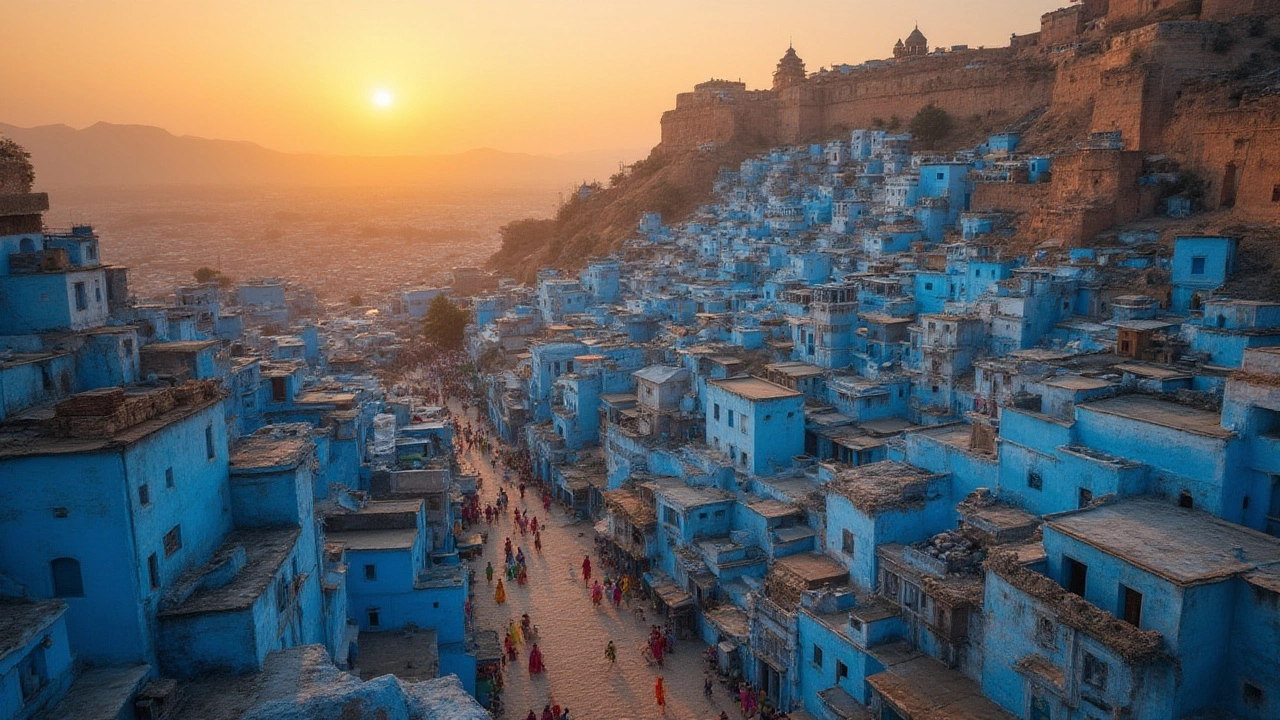
Why Jodhpur is Known as the Blue City of India: History, Culture, and Travel Tips
Discover why Jodhpur is called the Blue City of India. Explore its vibrant blue houses, forts, culture, and best travel tips for an unforgettable trip.
Read more