Indian Street Food for Tourists: Must-Try Bites and Where to Find Them
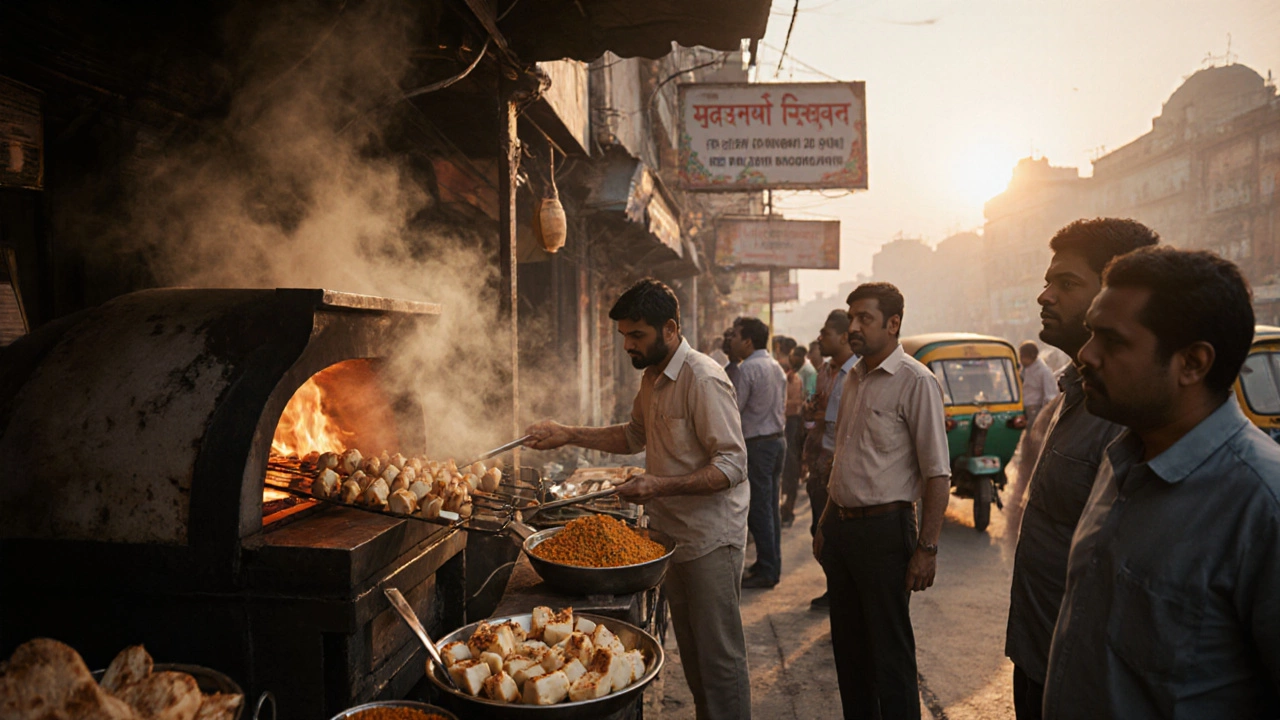
When you think of Indian street food, a vibrant, spicy, and deeply personal experience that defines daily life across India’s cities and towns. Also known as roadside eats, it’s not just meals—it’s culture served on banana leaves, paper plates, or even just your hands. Unlike restaurant dining, this is food made fresh in front of you, often by families who’ve been selling the same dish for generations. You’ll taste cumin, tamarind, chili, and fresh coriander in ways you never expected—and you’ll remember every bite.
What makes Indian street food, a diverse collection of regional specialties shaped by climate, religion, and history. Also known as local snacks, it varies wildly from one state to the next. In Delhi, you’ll find buttery parathas stuffed with potatoes and served with tangy chutney. In Mumbai, vada pav—fried potato fritters in a bread bun—is the city’s unofficial sandwich. In Kolkata, jhal muri, a spicy puffed rice snack with peanuts and mustard oil, is eaten while walking. In Chennai, masala dosa, crispy fermented rice crepes filled with spiced potatoes, is a breakfast ritual. And in Jaipur, pyaaz kachori, deep-fried pastries bursting with onion and spice, is a morning obsession. These aren’t just dishes—they’re identity markers.
For tourists, the biggest question isn’t what to eat, but where and how. The good news? Most street vendors follow hygiene habits passed down through years of experience. Look for busy stalls—long lines mean high turnover and fresh food. Avoid places with flies hovering over food, but don’t overthink it: if locals are eating there, it’s probably safe. Carry hand sanitizer, drink bottled water, and start slow. Try one new thing each day. Don’t skip the chaat, a category of savory, tangy, and crunchy snacks that include samosas, papdi chaat, and aloo tikki. Also known as Indian snack platters, it’s the ultimate street food experience. It’s sweet, sour, spicy, and crunchy all at once. And yes, it’s messy. That’s the point.
Street food in India isn’t about luxury. It’s about connection. You’ll eat beside taxi drivers, students, and grandmothers. You’ll learn that the best food isn’t always the cleanest-looking—it’s the one that makes someone’s day. Whether you’re in a crowded lane in Varanasi or a quiet corner in Pondicherry, you’re not just tasting spices. You’re tasting history, tradition, and hospitality served hot and fast.
Below, you’ll find real stories, local tips, and honest reviews from travelers who’ve eaten their way across India. From the safest stalls in Bangalore to the most unforgettable kebabs in Lucknow, this collection gives you the tools to eat like a local—without the guesswork.
What Americans Can Eat in India: A Practical Guide to Safe, Delicious Food in North India
Americans can enjoy delicious North Indian food safely by choosing hot, freshly cooked dishes from busy stalls. Learn what to eat, what to avoid, and how to navigate street food without getting sick.
Read more