Indian Religions: Understanding Faiths That Shape India's Culture and Travel
When you travel through India, you’re not just seeing cities and landscapes—you’re walking through the living heart of Indian religions, a diverse family of ancient belief systems that have shaped society, art, and daily life for thousands of years. Also known as Dharmic religions, these traditions are not just about worship—they guide how people eat, dress, celebrate, and even how they move through the world. Unlike organized religions with single founders, Indian religions evolved over millennia, blending local customs, philosophical debates, and spiritual practices into something deeply personal and widely shared.
Hinduism, the oldest and most widespread of India’s major faiths, with no single founder and millions of deities, rituals, and texts shows up everywhere—from the towering temples of Tamil Nadu to the quiet ghats of Varanasi. It’s not a set of rules but a way of life, and that’s why you’ll see pilgrims bathing at the Ganges, families offering flowers at roadside shrines, and festivals like Kumbh Mela drawing over 100 million people. Then there’s Buddhism, a path of mindfulness and non-attachment that began in India before spreading across Asia, still alive in places like Bodh Gaya, where the Buddha attained enlightenment, and in the monasteries of Ladakh. Jainism, a quiet but powerful tradition focused on non-violence and extreme self-discipline influences everything from food choices to city planning, especially in Gujarat and Rajasthan, where even street vendors avoid root vegetables to protect tiny life forms. And Sikhism, a faith born in Punjab that values equality, service, and courage, is visible in every gurdwara’s langar hall, where free meals are served to anyone, no questions asked.
These aren’t just historical relics—they’re active, breathing parts of modern India. The way you experience a temple tour, a street food stall, or a festival like Durga Puja or Rath Yatra is shaped by these beliefs. Even the safest food choices for American travelers or the quietest beaches in Goa carry echoes of religious customs. You won’t understand why people bow before a tree, why cows roam freely, or why some cities shut down for days unless you grasp the weight of these traditions. This collection of posts dives into how these faiths show up on the ground: in ancient temples, massive pilgrimages, regional food rules, and the quiet moments between rituals. Whether you’re planning a trip to Mundeshwari Temple or wondering why Sikhism is so tied to Punjab, you’ll find real, practical insights here—not theory, but what you’ll actually see and feel when you’re there.
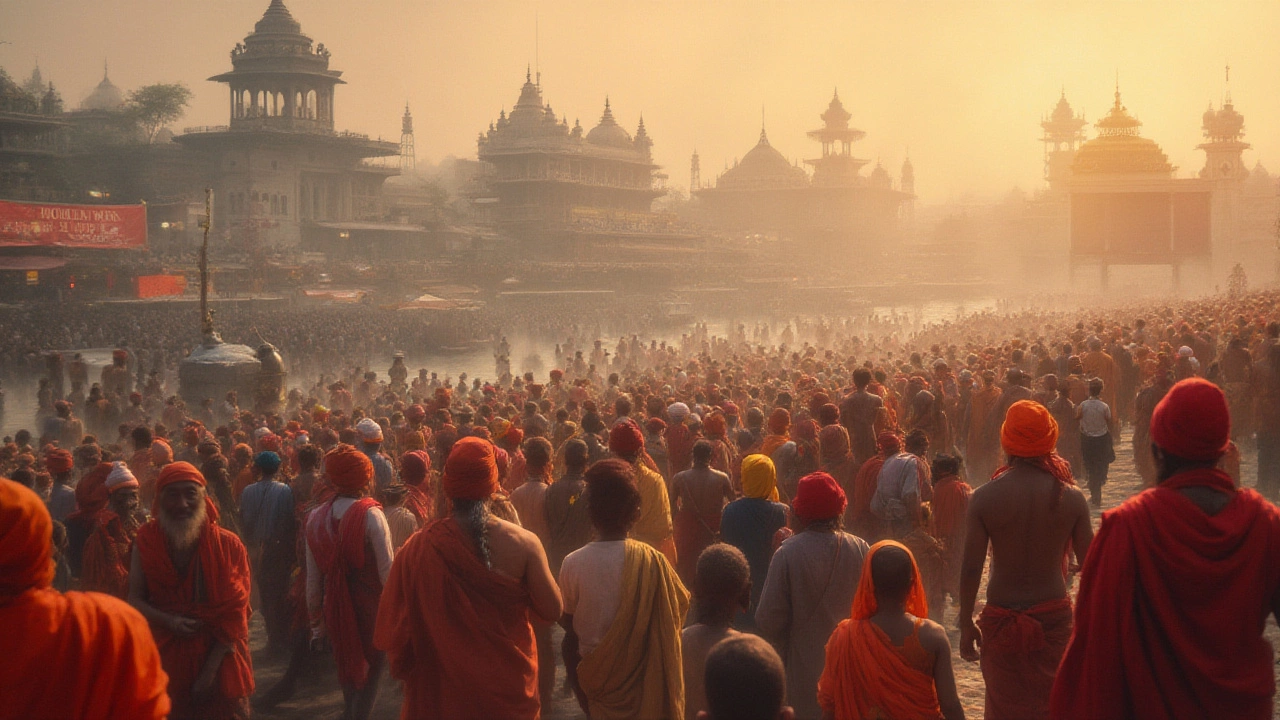
Religion in India: Diversity, History, and Modern Insights
India blends ancient beliefs and modern faiths, from Hinduism to Islam and beyond. Dive into fascinating stories, key facts, and the real picture of Indian religion.
Read more