Indian Monsoon Travel: What to Know Before You Go
When you think of Indian monsoon travel, the seasonal rainy period that transforms India’s landscape, economy, and travel rhythm. Also known as the summer rains, it’s not just weather—it’s a cultural event that shapes how people live, eat, and move across the country. For travelers, it’s not a time to hide indoors. It’s a chance to see India in a different light: waterfalls roar, mountains turn emerald, and crowds vanish from places that are packed in winter.
The monsoon season, the annual arrival of heavy rains from June to September hits different places at different times. Kerala and Goa get soaked first, while Rajasthan stays dry until late July. If you’re chasing beaches, you might skip Goa in July—but you’ll find empty shores and lower prices. If you’re into temples, the monsoon brings quiet devotion to places like Varanasi and Madurai, where the air smells like wet stone and incense. The monsoon destinations, specific regions where rain enhances rather than ruins the experience include the Western Ghats, Meghalaya’s Cherrapunji, and the tea gardens of Munnar—places where the rain isn’t a problem, it’s the point.
Don’t let myths stop you. Yes, roads flood. Yes, some hill routes close. But taxis in India are used to this. Local drivers know which roads hold up and which ones turn to mud. Many travelers who avoid the monsoon miss out on the best deals, the coolest weather, and the most authentic local moments—like sharing chai under a tin roof while the rain drums on the roof. You’ll see farmers smiling, kids splashing in puddles, and markets overflowing with fresh mangoes and jackfruit. This isn’t a season to avoid—it’s a season to adapt.
What you’ll find below are real stories and practical guides from people who’ve traveled India during the rains. From how to pick the right taxi service in Kerala when the roads are slick, to why Andaman’s beaches are quieter and more beautiful in August, to which North Indian cities actually feel fresher in the monsoon. These aren’t generic tips. They’re lessons from travelers who got caught in the downpour—and loved every minute of it.
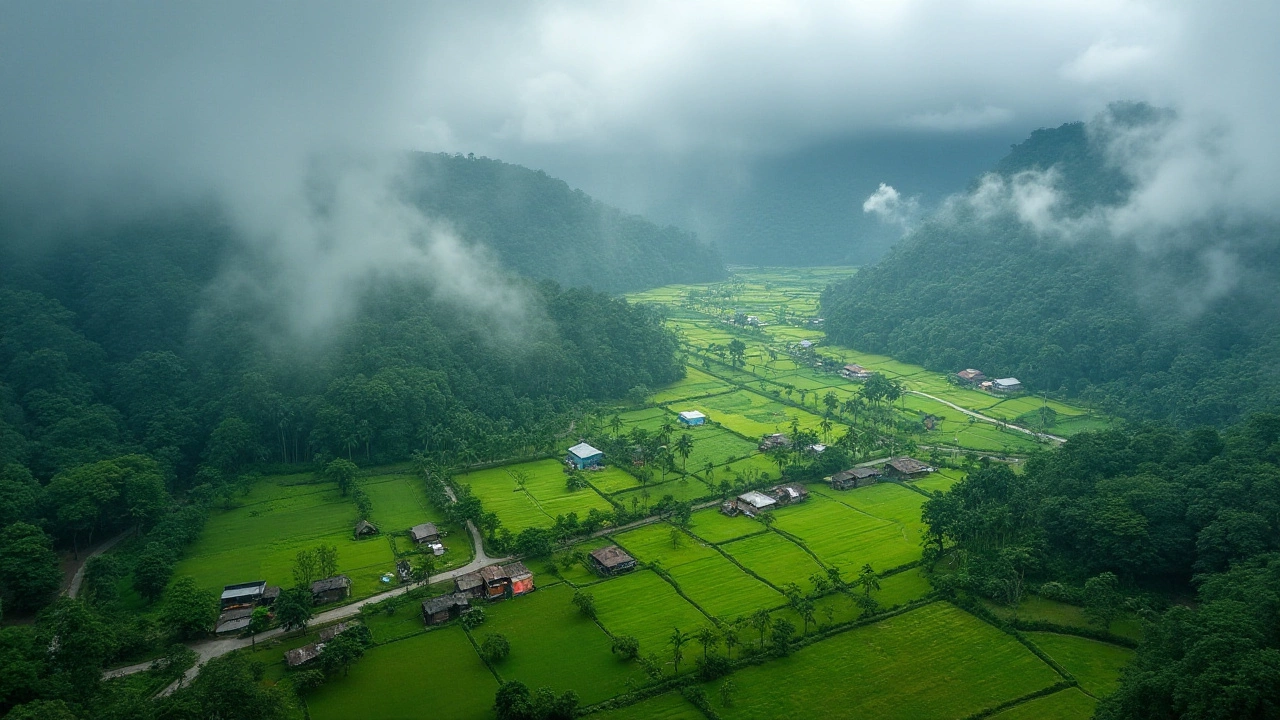
Navigating the Rainy Season in South India: Essential Travel Insights
South India's rainy season, largely dictated by the monsoon, brings lush landscapes and unique travel experiences. Spanning from June to September, the region transforms with verdant greenery and brimming water bodies. Understanding the monsoon's impact is key to planning a fulfilling journey. This guide explores the nature of South India's rains and offers practical advice for prospective travelers.
Read more