Indian Cuisine Costs: What You Really Pay to Eat Across India
When people ask how cheap India is, they’re usually thinking about Indian cuisine costs, the actual price of meals across India, from roadside stalls to family-run dhabas. It’s not just about rupees — it’s about value, safety, and how much you get for your money. You can grab a hot plate of dal chawal for under 50 rupees in a small town, or pay 400 rupees for the same dish in a Delhi restaurant. The difference isn’t just location — it’s context. And if you’re planning a trip, knowing what’s normal helps you avoid both overpaying and missing out on real flavor.
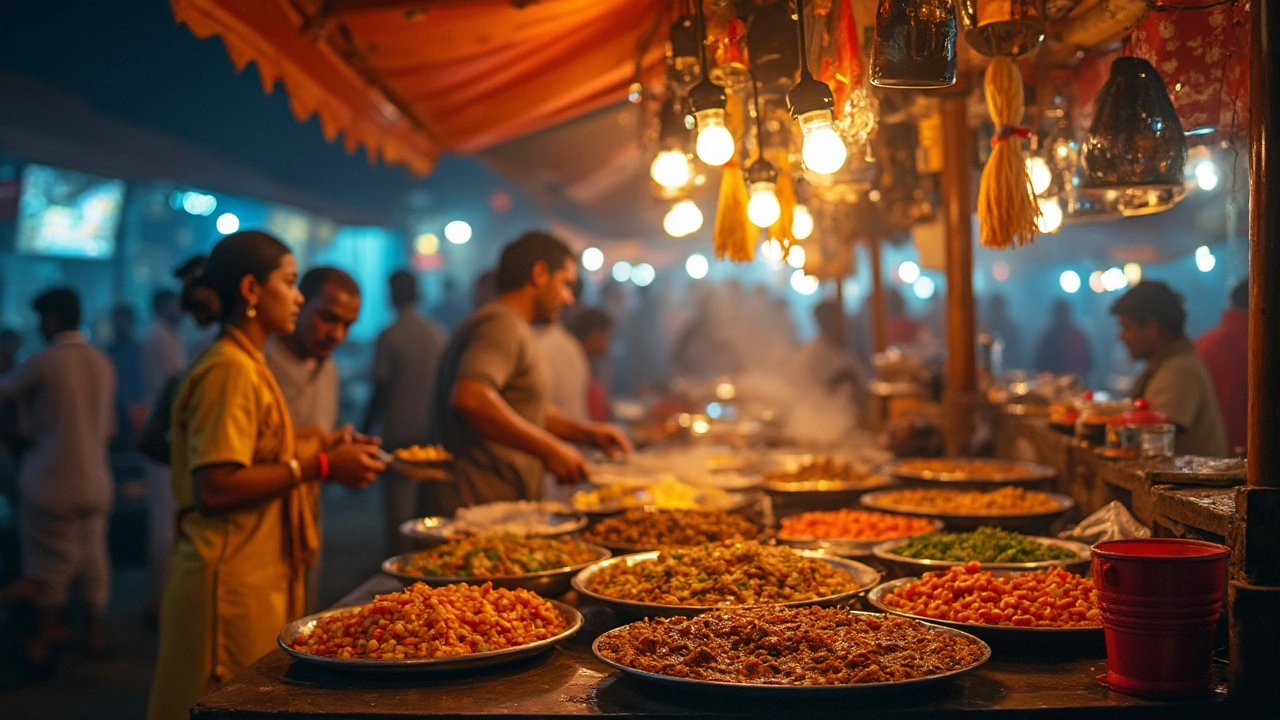
Street food cost India, the price of quick, fresh meals sold by vendors on sidewalks and markets is where India shines. A plate of pav bhaji in Mumbai? Around 60 rupees. A plate of pani puri in Jaipur? 20 rupees for a dozen. A masala dosa in Bangalore? 50 rupees. These aren’t tourist prices — they’re what locals pay every day. But here’s the catch: the cheapest food isn’t always the safest. Busy stalls with high turnover, food cooked fresh in front of you, and clean water for washing hands? That’s your real filter. Don’t avoid street food — learn how to pick the right spot.
Restaurant meals India, the cost of dining in sit-down places, from mid-range hotels to upscale eateries varies wildly. In a budget hotel in Varanasi, you might pay 200 rupees for a full thali. In a fancy restaurant in Goa, the same meal could cost 800 rupees. Tourist zones inflate prices — but if you walk just two blocks away from the beach or temple entrance, you’ll find the same food for half the cost. And don’t assume higher price means better taste. Some of the best butter chicken I’ve had was in a tiny shop in Amritsar, with plastic chairs and no menu.
Then there’s the hidden layer: budget eating India, how to stretch your food budget without sacrificing quality or safety. It’s not about eating only rice and lentils. It’s about timing — eating lunch when restaurants offer thalis at half-price, skipping bottled water (tap water isn’t safe, but boiled or filtered is), and choosing local chains like Haldiram’s or Sagar Ratna for consistent quality. Even in tourist-heavy places like Jaipur or Udaipur, you can eat like a local for under 300 rupees a day if you know where to look.
And yes, food costs have gone up since 2020. But India still offers more value than most countries. A meal in New Delhi costs less than a coffee in London. A three-course dinner in Kochi runs under 1,000 rupees — and you’ll still get a side of fresh mango pickle. The real question isn’t whether India is cheap — it’s whether you’re eating like a tourist or like someone who knows the rules.
Below, you’ll find real guides from travelers who’ve figured out what to eat, where to eat it, and how much it should cost. No fluff. No hype. Just what works on the ground.
How Much Does a Meal Really Cost in India?
Traveling around India on a budget? Knowing how much a typical meal will set you back can help in planning your trip. This article dives into the varied costs of eating out in India, from street food stalls to local restaurants, and shares some cool tips for keeping those food bills low while enjoying the country's delicious flavors.
Read more