Indian Cuisine: What to Eat, Where to Try It, and How to Stay Safe
When you think of Indian cuisine, a vibrant, regionally diverse food tradition built on spices, grains, and centuries of cultural exchange. Also known as South Asian food, it’s not one style—it’s dozens, each shaped by climate, religion, history, and local ingredients. In the north, you’ll find buttery naan, rich lamb curries, and tandoori grilled meats. Down south, rice takes center stage with coconut milk, tamarind, and lentils in dishes like sambar and dosa. The north loves dairy; the south leans on seafood and fermented flavors. And then there’s street food—chaat, pani puri, vada pav—that’s where the real magic happens.
What makes Indian street food, the heartbeat of daily eating for millions, served from carts, stalls, and roadside kitchens. Also known as fast food in India, it’s bold, affordable, and often the best meal you’ll have on your trip. But it’s also where travelers worry about getting sick. The truth? You don’t need to avoid it. Hot, freshly cooked food from busy stalls is usually safer than you think. Look for crowds—high turnover means fresh batches. Avoid raw salads, unpeeled fruit, and ice in drinks. Stick to things served piping hot: pakoras, samosas, chole bhature. In North India, try dal makhani with roti. In Goa, go for fish curry rice. In Mumbai, grab a vada pav from a vendor with a line out the door. These aren’t just snacks—they’re cultural experiences.
And then there’s the role of regional food differences, how geography and tradition turn the same ingredients into completely different meals across India. Also known as state-specific cuisines, they’re why you can’t say "Indian food" like it’s one dish. Punjab gives you creamy paneer and makki di roti. Kerala gives you coconut rice and fish moilee. Rajasthan serves up spicy lentils and dried vegetables. Each region has its own spice blend, cooking method, and flavor profile. That’s why a food tour across India feels like visiting five different countries. You’ll eat differently in Delhi than you do in Chennai—not because one is better, but because they’re built on different histories and ingredients.
Whether you’re an American traveler nervous about street food, a foodie chasing authentic flavors, or someone just trying to figure out what to order, Indian cuisine rewards curiosity. It’s not about eating everything—it’s about eating well. Know what’s fresh, trust the locals, and don’t be afraid to point and smile. The best meals aren’t always on menus—they’re the ones cooked right in front of you, steam rising, spices hitting the oil, and someone handing you a plate with a grin.
Below, you’ll find real guides from travelers who’ve been there—what they ate, what they avoided, and how they stayed healthy while eating their way across India. No fluff. Just what works.
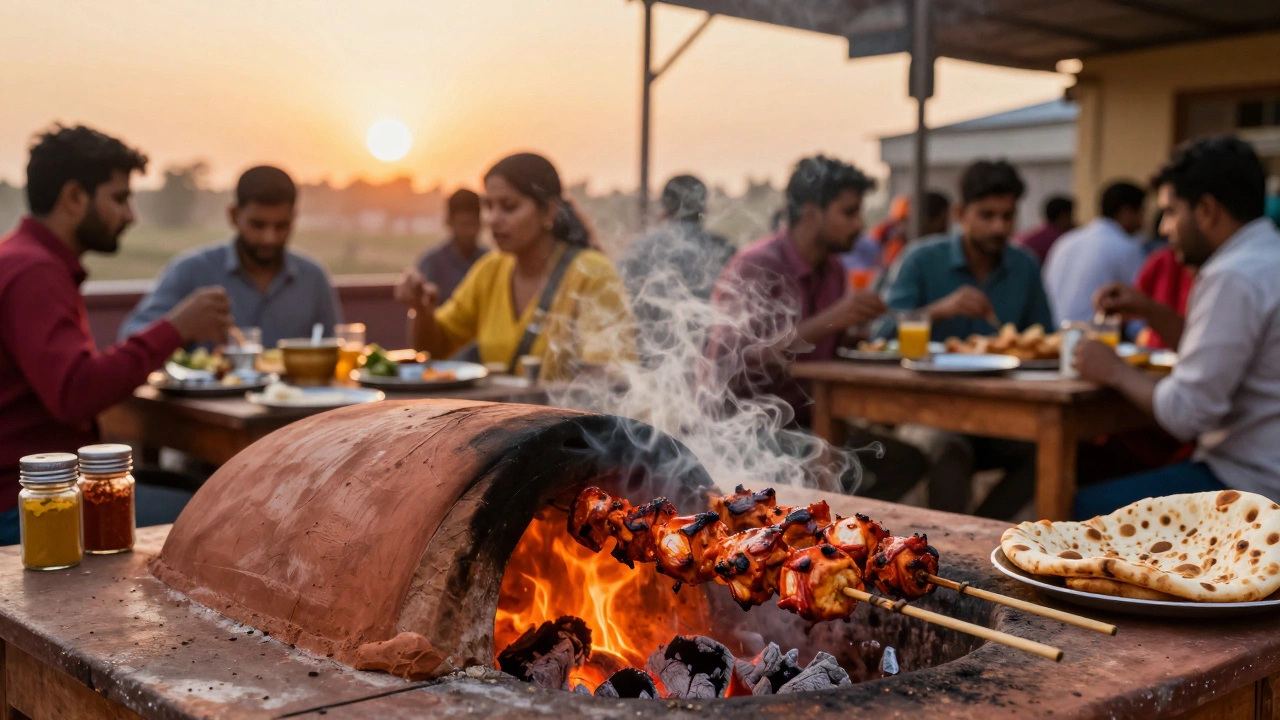
Which Meat Is Most Eaten in India? The Real Story Behind Indian Diets
Chicken is the most eaten meat in India, far surpassing beef, pork, and goat. Learn why cultural, religious, and economic factors make chicken the silent backbone of Indian diets - and what this reveals about the country's true food culture.
Read more
The Most Eaten Food in India: Why Rice Dominates the Plate
Explore why rice tops India's food chart, its cultural roots, consumption stats, and how it compares to other staples.
Read more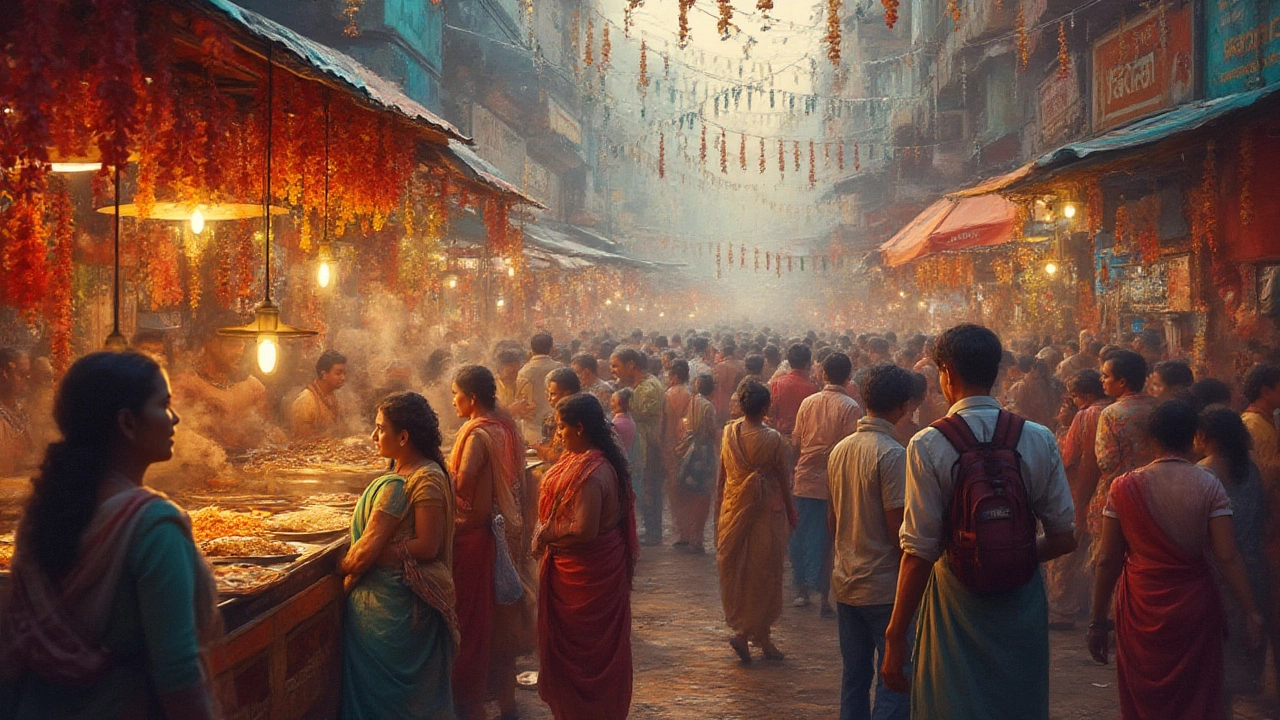
Famous Foods of India: Iconic Dishes and Regional Flavors That Define Indian Cuisine
Take a deep dive into the famous foods of India, from spicy street snacks to festive classics, exploring flavors, facts, and cultural stories behind every iconic dish.
Read more
India's National Dish: What Really Represents the Country?
Everyone asks about the national dish of India, but the answer isn't simple. This article explains why picking a single dish for such a diverse country is tricky. You'll get the real story about India's most beloved foods, and tips for trying authentic dishes when you visit. Straightforward details that every foodie and traveler needs to know. If you're planning a trip or just love Indian food, you'll find practical info and surprising facts here.
Read more