India Nepal Visa: Requirements, Rules, and Travel Tips for 2025
When traveling between India and a neighboring country with an open border agreement and deep cultural ties, also known as Nepal, you don’t need a visa if you’re an Indian or Nepali citizen. This unique arrangement, rooted in the 1950 Indo-Nepal Treaty of Peace and Friendship, lets citizens move freely across the border with just a valid photo ID—no passport, no stamp, no paperwork. It’s one of the few places in the world where national borders feel more like regional checkpoints than barriers. That doesn’t mean you can just show up with nothing. You still need to carry the right documents, know where you’re allowed to go, and understand what changes might be coming in 2025.
For Indians heading to Nepal, a voter ID, driving license, or Aadhaar card with a photo works fine at land borders like Raxaul, Sunauli, or Birgunj. The same goes for Nepalis entering India—they can use their citizenship certificate or a photo ID issued by the government. But if you’re flying, airlines often ask for a passport, even though it’s not legally required. Always carry one if you’re flying—it saves you from delays at check-in. Also, don’t assume you can work, study, or stay long-term just because you crossed the border. The visa-free rule only covers tourism and short visits. If you plan to live, work, or enroll in a school in either country, you’ll need official permits. And while most border towns are safe and welcoming, some areas near the border have restrictions due to security or environmental zones. Check local advisories before heading into remote districts like Darchula or Kalapani.
Travelers from other countries? The rules change completely. If you’re American, British, or from anywhere else, you’ll need a visa to enter Nepal from India—or vice versa. Nepal offers visas on arrival for most nationalities at Tribhuvan International Airport and major land entry points. India requires you to apply in advance through their embassy or online portal. Don’t try to bypass this by crossing from India into Nepal and hoping to slip in unnoticed—you’ll be turned back. The open border only applies to citizens of these two countries. And while the rule is simple, enforcement can vary. Some border officials might ask for more than your ID. Have backup documents ready: a copy of your birth certificate, a recent utility bill, or even a letter from your employer if you’re staying long. It’s not required, but it helps.
What’s changing in 2025? Both governments are slowly moving toward digital identity systems. Nepal is testing a national e-ID card, and India is expanding its DigiLocker integration. Soon, you might be able to use a QR code from your phone instead of a physical card. But until then, stick to what works: a clear, government-issued photo ID. Also, keep an eye on border crossings. New checkpoints are opening, and some old ones are closing for security upgrades. If you’re planning a multi-day trip across the border—say, from Delhi to Pokhara or Varanasi to Lumbini—plan your route around active entry points. Don’t rely on outdated blogs or apps that list closed crossings.
Below, you’ll find real travel experiences, updated border tips, and practical advice from people who’ve crossed this border dozens of times. Whether you’re a backpacker, a pilgrim visiting Lumbini, or a family visiting relatives, you’ll find what you need to cross safely, legally, and without stress.
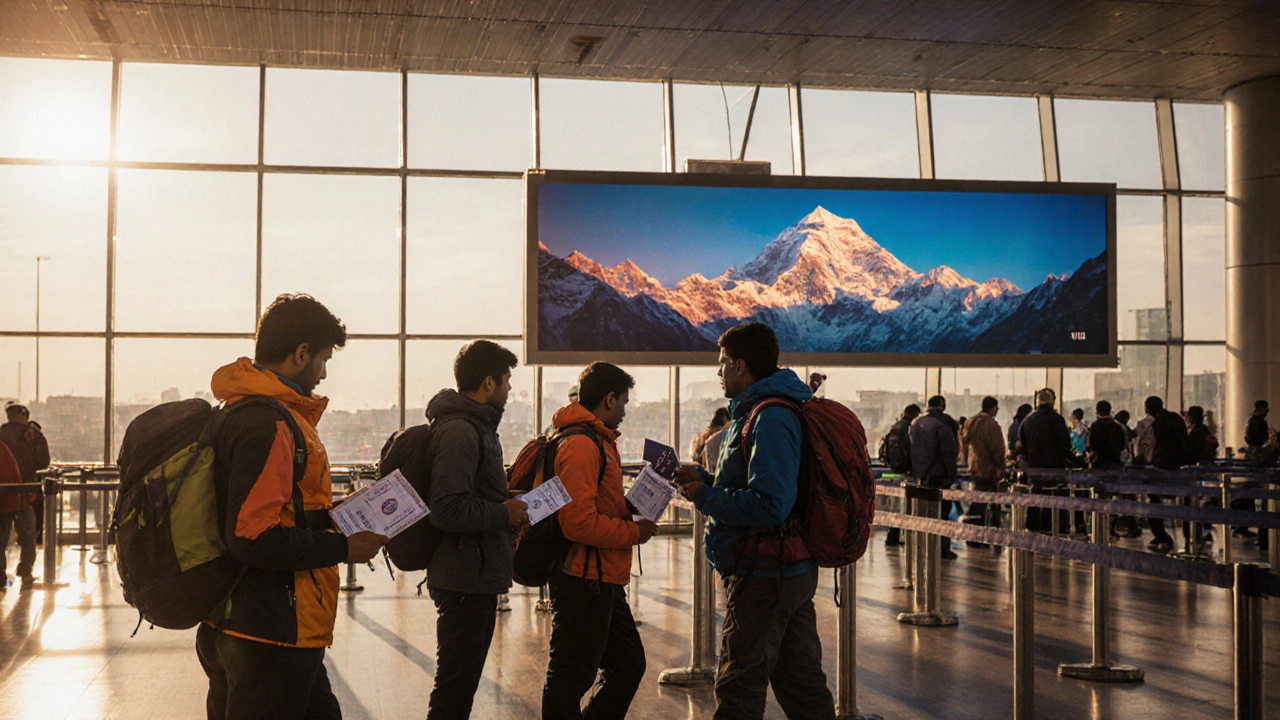
Do Indian Travelers Need a Visa for Mount Everest? Complete Guide
Find out if Indian trekkers need a visa for Mount Everest, the exact steps, required permits, costs and tips for a smooth expedition.
Read more