Hippie Trail: The Legendary Route That Shaped India's Backpacker Culture
When people talk about the Hippie Trail, a countercultural overland route stretching from Europe to South Asia in the 1960s and 70s, popularized by young Western travelers seeking spiritual escape and adventure. Also known as the psychedelic trail, it wasn’t just a path on a map—it was a way of life that changed how the world saw India. Thousands of young travelers, armed with little more than a backpack, a guitar, and an open mind, made their way through Turkey, Iran, Afghanistan, and into India, drawn by cheap living, vibrant culture, and the promise of enlightenment. They didn’t just pass through—they stayed, settled, and left behind a legacy that still echoes in Goa’s beach shacks, Varanasi’s ashrams, and Delhi’s flea markets.
The Hippie Trail, a cultural phenomenon that connected the West to the spiritual heart of Asia didn’t start in India, but it found its soul here. Places like Rishikesh became global hubs for meditation and yoga, while Kathmandu and Pushkar turned into unofficial waystations where travelers swapped stories, bought handwoven fabrics, and tried everything from hashish to vegetarian thalis. The trail wasn’t just about geography—it was about mindset. It was about rejecting materialism, chasing inner peace, and finding community in the most unexpected places. Even today, the spirit of that era lives on in the way people travel: slowly, intentionally, and with curiosity.
India’s role in the Hippie Trail, a transcontinental journey that redefined global tourism and introduced millions to Eastern spirituality was unique. Unlike other destinations, India didn’t just welcome these travelers—it transformed them. The music, fashion, food, and philosophy they brought back home helped shape Western culture for decades. And in return, India absorbed their energy. Beach towns like Goa turned into hippie havens, and ancient cities began catering to foreign visitors with guesthouses, organic cafes, and yoga retreats. The trail may have faded after the 1980s due to political instability and changing travel trends, but its imprint on India’s tourism identity is permanent.
What you’ll find in the posts below isn’t just a list of places. It’s a reflection of how the Hippie Trail’s legacy lives on—not in dusty photos or old journals, but in the way people experience India today. From the beaches that once hosted drum circles to the temples that still draw seekers from every corner of the world, the trail’s influence is woven into the fabric of modern travel here. Whether you’re planning your first backpacking trip or just curious about how India became a global destination, these stories show you how it all began—and why it still matters.
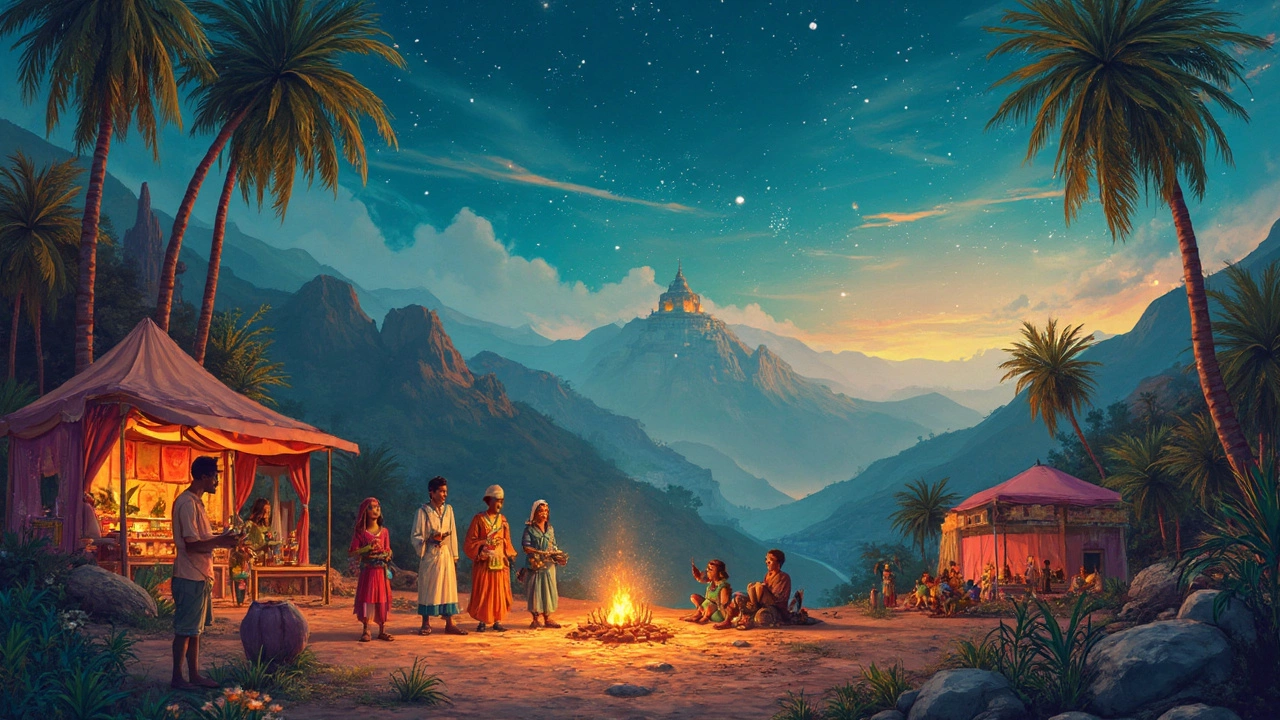
Discovering the Hippie Trail in India: A Trekking Adventure
Explore the intriguing history and breathtaking landscapes of the hippie trail in India, a path once traversed by free-spirited travelers. This article delves into its origin, the best trekking spots along the route, and insider tips for modern adventurers. Experience the cultural blend that defines this iconic trail. Whether you're an experienced trekker or a curious newbie, uncover the secrets of this unique journey.
Read more