Hinduism in India: Origins, Temples, and Cultural Impact
When you think of India’s spiritual landscape, you’re thinking of Hinduism, a living, evolving tradition without a single founder that has shaped Indian life for over 4,000 years. Also known as Sanatana Dharma, it’s not just a religion—it’s the rhythm of daily rituals, the design of ancient temples, and the pulse behind India’s biggest festivals. Unlike organized faiths with clear founding figures, Hinduism grew from countless regional beliefs, Vedic texts, and oral traditions passed down through generations. It doesn’t ask you to believe one thing—it invites you to explore many paths to the divine.
This diversity shows up everywhere. The temple tours India, a major draw for travelers seeking spiritual and architectural wonder aren’t just tourist stops—they’re active places of worship where daily rituals, music, and offerings continue unchanged for centuries. From the towering gopurams of Tamil Nadu to the stone-carved shrines of Khajuraho, each temple reflects a different school of thought, deity, and regional style. And when you see millions gathering at the Kumbh Mela, the world’s largest religious gathering, held every 12 years at sacred river confluences, you’re witnessing Hinduism in motion—not as a museum piece, but as a living force.
Behind every temple and festival are the Hindu deities, a vast pantheon including Vishnu, Shiva, Devi, and Ganesha, each representing different aspects of existence. Devotees don’t worship one god—they connect with the divine through the form that speaks to them. This flexibility is why Hinduism survives: it adapts. It absorbs local gods, blends with folk traditions, and finds new meaning in modern life. That’s why you’ll find yoga studios in New York and temple rituals in rural Bihar—both equally authentic.
What you’ll find in the posts below isn’t a textbook on Hindu philosophy. It’s real, practical insight from people who’ve walked through these temples, stood in crowds at Kumbh Mela, and asked questions like: Why do so many gods have multiple arms? What’s the real story behind the lack of a founder? How do you even begin to understand a faith with no single scripture or pope? These posts cut through the noise. They show you how Hinduism isn’t just about ancient texts—it’s about the smell of incense in a village shrine, the sound of bells at dawn, and the way a whole city shuts down for a chariot procession. If you’re planning a temple tour, curious about India’s biggest festivals, or just trying to make sense of the gods you see everywhere—you’ll find answers here, plain and simple.
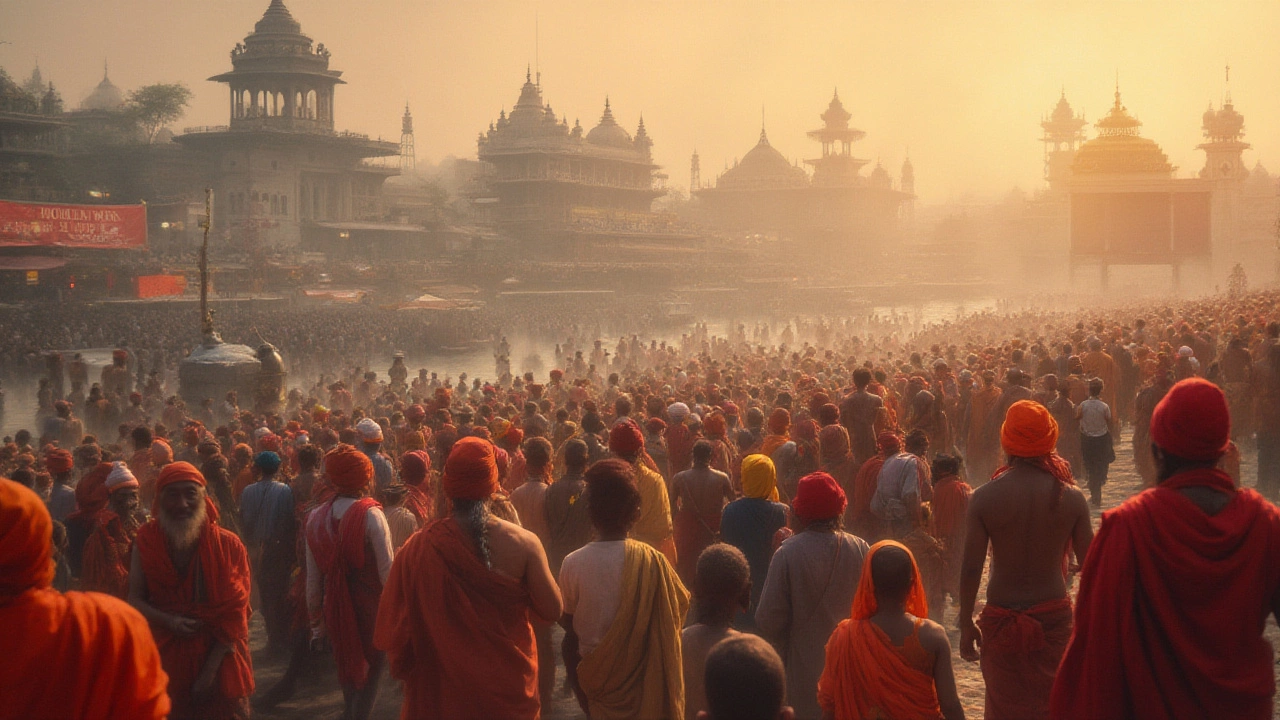
Religion in India: Diversity, History, and Modern Insights
India blends ancient beliefs and modern faiths, from Hinduism to Islam and beyond. Dive into fascinating stories, key facts, and the real picture of Indian religion.
Read more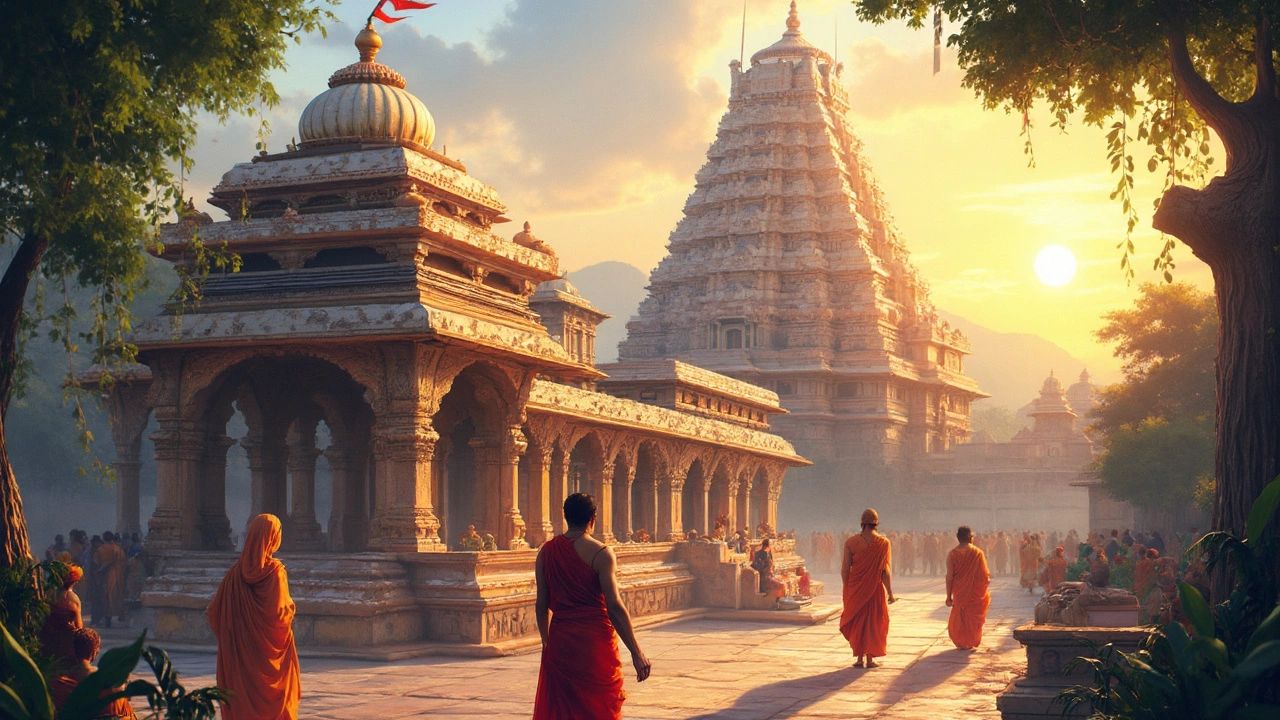
World's Largest Religion: Unpacking Facts and Insights
Discover the largest religion in the world and explore its global influence, especially in India with its rich temple heritage. Delve into intriguing facts, cultural impact, and the spiritual significance of Hinduism. Uncover travel tips for those keen on temple tours in India, learning about the rituals and architecture. This piece offers a unique blend of knowledge that connects religious history with contemporary experiences.
Read more