Hindu Temples: Best Sites, Festivals, and Cultural Guides in India
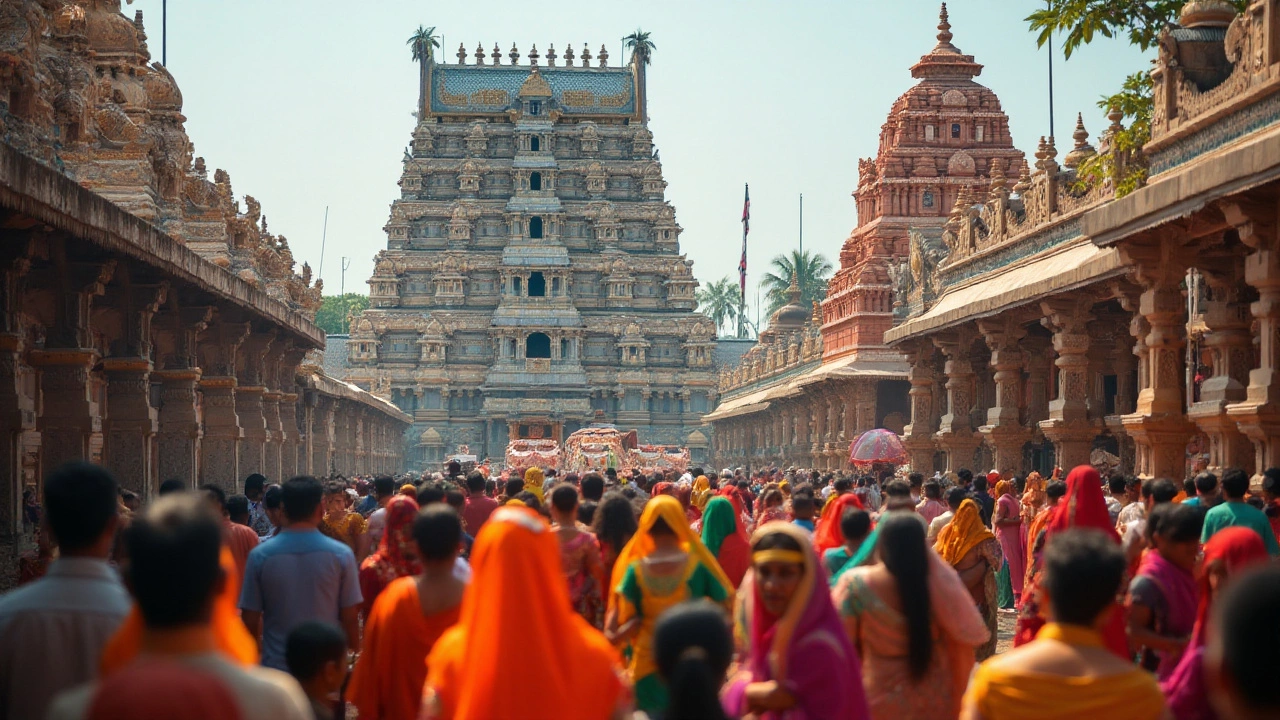
When you think of Hindu temples, sacred spaces where devotion, art, and community come together in India. Also known as mandirs, these aren't just buildings—they're living centers of culture, ritual, and history that have shaped daily life for thousands of years. Unlike churches or mosques, Hindu temples don't follow a single design or rule. Each one reflects the region, the deity, and the local traditions that built it—from the towering gopurams of Tamil Nadu to the intricate carvings of Khajuraho.
What makes Hindu temples so powerful isn’t just their architecture. It’s how they connect to temple tours India, structured journeys that let travelers experience spiritual and cultural depth beyond sightseeing. These tours often include early morning aartis, offerings of flowers and sweets, and silent meditation under ancient banyan trees. Many travelers don’t realize that visiting a temple isn’t just about seeing something—it’s about participating. You might wash your feet before entering, ring a bell to call the deity, or receive prasad—a blessed offering you eat as a sign of grace.
Then there’s the scale. Some temples are quiet and personal. Others, like the ones tied to Kumbh Mela, the world’s largest religious gathering, held every 12 years at four sacred river confluences, draw over 100 million people. Imagine walking through a city of tents, chanting pilgrims, and sadhus with ash-covered bodies—all centered around a single spiritual purpose. That’s not tourism. That’s a force of faith. And it’s happening right now, in places like Prayagraj, Haridwar, and Nashik.
Don’t forget the festivals. temple festivals, annual events that bring entire towns to life with music, dance, and processions, turn quiet shrines into roaring celebrations. Rath Yatra in Puri, where a giant chariot pulls the deity through the streets, or Durga Puja in West Bengal, where temples glow with lights and crowds sing all night—these aren’t performances. They’re collective prayers in motion.
India’s 42 UNESCO heritage sites include several of the most sacred temples, but the real magic isn’t in the list. It’s in the smell of incense at dawn, the sound of bells echoing off stone walls, the quiet smile of a priest handing you a coconut. These places aren’t frozen in time—they breathe. They change with the seasons, the monsoons, the laughter of children running through courtyards. Whether you’re drawn by history, spirituality, or just the beauty of it all, Hindu temples in India offer something deeper than a photo op. They offer presence.
Below, you’ll find real guides from travelers who’ve walked these paths—where to go, when to avoid crowds, what to wear, and how to truly feel the energy of each site. No fluff. Just what works.
Most Hindu Temples in the US: Discovering Spiritual Hubs
The article delves into the US state with the highest number of Hindu temples, exploring the vibrant multicultural communities that foster spiritual diversity. It provides insights into the significance of these temples within American society and offers an immersive guide for those interested in exploring Hindu culture. From architectural marvels to cultural gatherings, the piece highlights the unique synthesis of tradition and community across these sacred spaces.
Read more