Hindu Deities: Gods, Temples, and Festivals That Shape India
When you visit a temple in Varanasi, witness the chaos of Kumbh Mela, or see a family offering flowers at a roadside shrine, you’re encountering Hindu deities, the divine figures worshipped across India, each representing cosmic forces like creation, destruction, and preservation. Also known as Hindu gods and goddesses, these beings aren’t just religious symbols—they’re the heartbeat of daily life, festivals, and travel traditions in India.
At the center of this system are the big three: Vishnu, the preserver, often depicted with four arms holding a conch, discus, lotus, and mace, and worshipped in forms like Krishna and Rama, Shiva, the destroyer and regenerator, shown with a third eye, trident, and serpent, linked to meditation and asceticism, and Devi, the divine mother, worshipped as Durga, Kali, or Lakshmi, embodying power, protection, and abundance. These aren’t abstract ideas—they’re the reason millions travel to places like Tirupati, Kashi, or Amarnath every year. The Kumbh Mela, the world’s largest religious gathering, draws over 100 million people not just to bathe in holy rivers, but to connect with these deities in person. And it’s not just about grand festivals. Every temple you see, from the 5,000-year-old Mundeshwari Temple to the golden spires of Tamil Nadu, was built to honor one or more of these divine forms.
These deities also shape how people eat, dress, and travel. You’ll find food offerings made to Ganesh before a journey, women wearing red and gold for Durga Puja, and pilgrims walking hundreds of miles to reach a shrine dedicated to Shiva. The stories behind them—like Krishna stealing butter or Shiva drinking poison to save the world—are told in homes, taught in schools, and painted on temple walls. Even when you’re not visiting a temple, you’re still surrounded by their influence: the cow as sacred, the lotus as purity, the river Ganges as a living goddess. This isn’t ancient history—it’s alive, daily, and deeply personal for billions.
What you’ll find below are real travel stories tied to these deities: guides to the most beautiful temples, breakdowns of massive festivals like Kumbh Mela and Rath Yatra, and insights into why certain places draw more pilgrims than tourists. Whether you’re planning a trip to a shrine, curious about why certain foods are offered, or just trying to understand the noise and color of an Indian street festival, these posts give you the context you need—not just facts, but the meaning behind them.
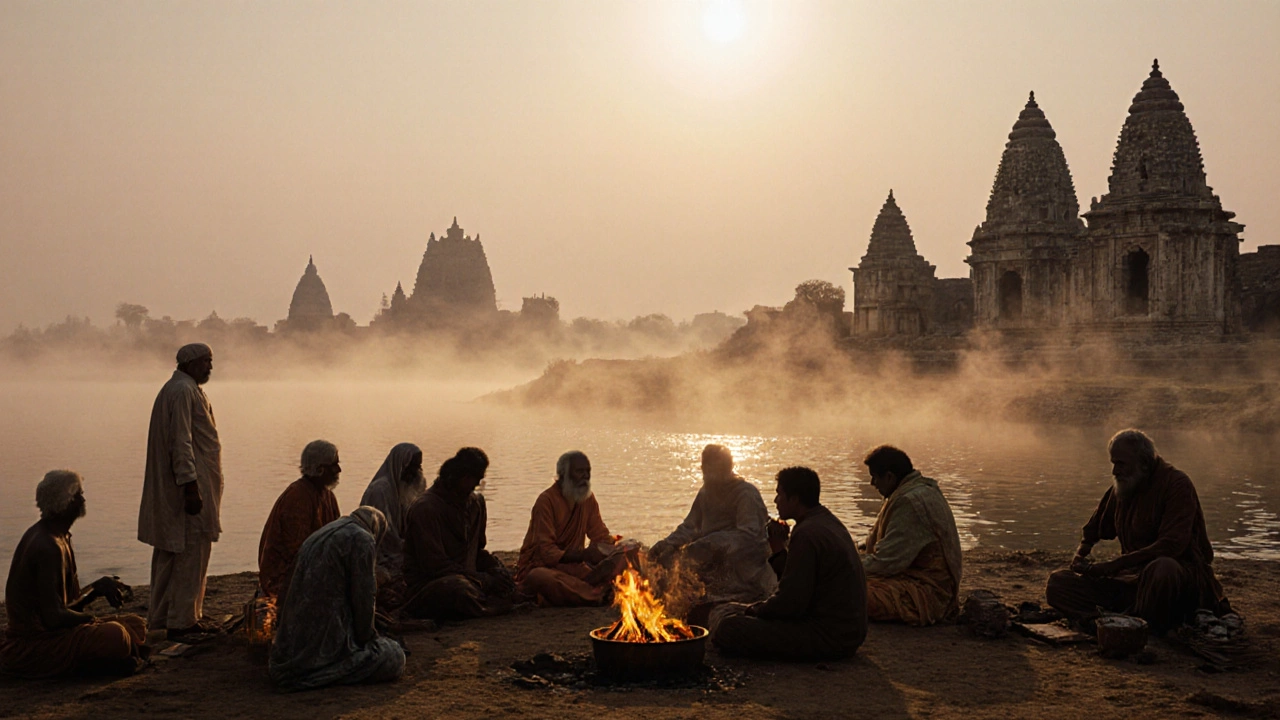
Who Founded Hinduism? The Truth Behind Its Origins and How It Shapes Temple Tours in India
Hinduism has no single founder-it evolved over thousands of years through ancient traditions, texts, and regional practices. Understanding this helps make sense of India’s diverse temple culture and spiritual experiences.
Read more