Hindu Culture: Traditions, Temples, and Festivals That Define India
At the heart of India’s identity lies Hindu culture, a living system of beliefs, rituals, and social practices that have evolved over thousands of years without a single founder or central authority. Also known as Sanatana Dharma, it’s not just religion—it’s the rhythm of daily life, from morning prayers to village fairs, and from temple architecture to family meals. Unlike organized faiths with fixed dogmas, Hindu culture thrives on diversity. One village might worship a local deity with flowers and drums, while another chants Vedic hymns in a 2,000-year-old temple. This isn’t inconsistency—it’s depth.
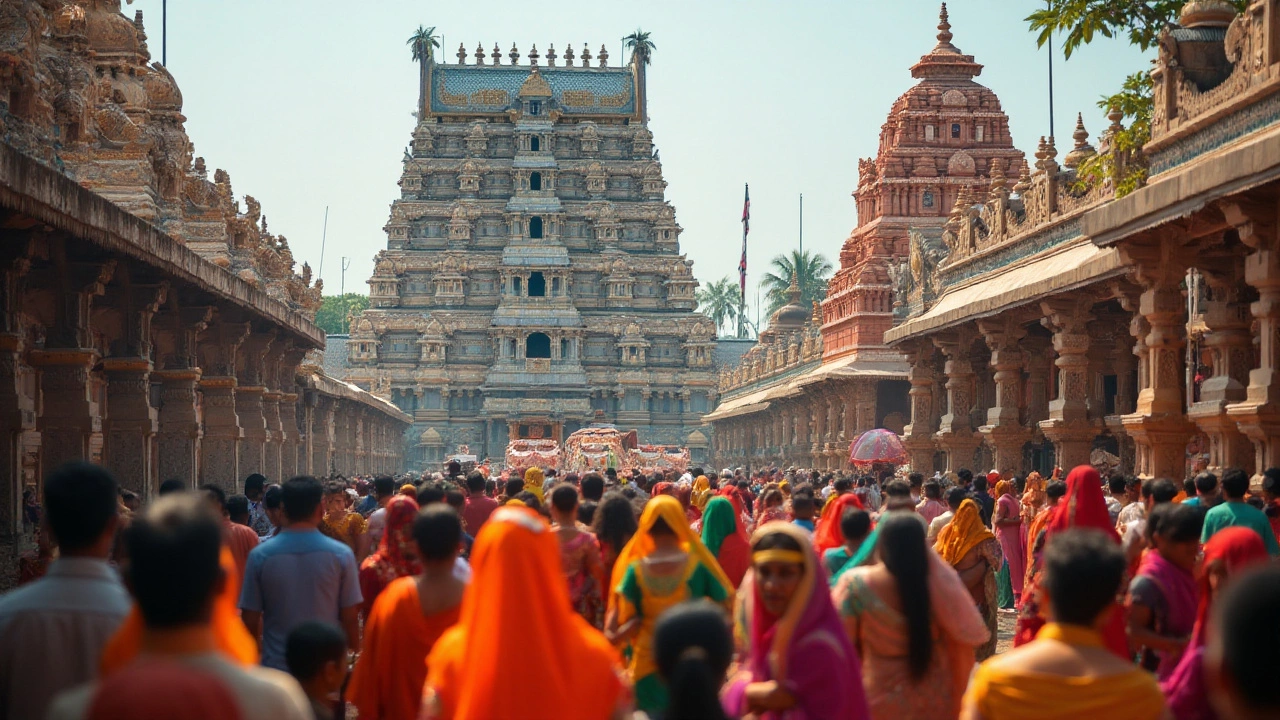
What makes Hindu culture so visible to travelers? It’s in the temple tours India, where every stone carving, bell, and priest’s chant carries meaning tied to ancient stories and regional customs. You won’t find two temples alike. In Tamil Nadu, towering gopurams burst with colorful gods. In Varanasi, the ghats glow with oil lamps as chants rise over the Ganges. These aren’t just tourist spots—they’re active spiritual hubs where people live their faith every day.
Then there are the Indian temple festivals, massive, chaotic, beautiful events that draw millions and turn cities into open-air cathedrals. The Kumbh Mela isn’t just a gathering—it’s the largest human assembly on Earth, where people bathe in sacred rivers to cleanse their karma. Rath Yatra pulls chariots through streets in Puri, while Durga Puja turns Kolkata into a sea of music, dance, and clay idols. These aren’t performances for visitors. They’re core to how communities connect, celebrate, and remember who they are.
And it’s not all grand ceremonies. Hindu culture lives in quiet moments too—the way a mother places a tilak on her child’s forehead before school, the smell of incense drifting from a roadside shrine, or the silence before a priest rings a bell in a small village temple. It’s this blend of the monumental and the everyday that makes it so powerful.
Travelers often ask: "Is this just about gods and rituals?" The answer is no. Hindu culture shapes how people think about time, duty, nature, and even food. It’s why rice is sacred in many homes, why cows are protected, why festivals follow lunar calendars, and why pilgrimage routes crisscross the country like spiritual highways. Understanding this helps you see beyond the postcards.
What you’ll find in the posts below isn’t a textbook on Hinduism. It’s real, practical insight from people who’ve walked these paths. You’ll learn why the Kumbh Mela draws 100 million people, how to pick the most meaningful temple tours in India, what makes Hinduism’s origins so different from other world religions, and how cultural tourism in India isn’t about checking boxes—it’s about feeling the pulse of a civilization that’s still breathing.
Most Hindu Temples in the US: Discovering Spiritual Hubs
The article delves into the US state with the highest number of Hindu temples, exploring the vibrant multicultural communities that foster spiritual diversity. It provides insights into the significance of these temples within American society and offers an immersive guide for those interested in exploring Hindu culture. From architectural marvels to cultural gatherings, the piece highlights the unique synthesis of tradition and community across these sacred spaces.
Read more