Heritage Sites India: Top UNESCO Locations and What to See
When you think of heritage sites India, ancient monuments, temples, forts, and cultural landscapes recognized by UNESCO for their global significance. Also known as UNESCO World Heritage India, these places aren’t just old—they’re living stories carved in stone, paint, and tradition. India’s 42 UNESCO sites, as of 2025, cover everything from the marble grandeur of the Taj Mahal to the stepped wells of Gujarat and the rock-cut caves of Ajanta. These aren’t just tourist stops—they’re the backbone of India’s cultural identity, shaped by empires, faiths, and centuries of craftsmanship.
Each site tells a different story. The Agra Fort, a massive red sandstone fortress that housed Mughal emperors and witnessed power struggles, wars, and royal life isn’t just a structure—it’s a palace turned prison turned symbol of imperial ambition. Meanwhile, the Hampi ruins, a vast open-air museum of Vijayanagara Empire temples, bazaars, and royal baths, feel like stepping into a forgotten kingdom where elephants once walked and priests chanted under stone pillars. Then there’s the Khajuraho temples, famous for their intricate erotic sculptures that celebrate life, devotion, and human form, proving that ancient India didn’t shy away from expressing beauty in all its forms. These sites aren’t just listed—they’re layered with meaning, history, and art that still resonates today.
What makes these places worth visiting isn’t just their age. It’s how they connect you to real people—builders who carved without machines, pilgrims who still walk the same paths, and communities that keep traditions alive. You’ll find locals selling chai near the Qutub Minar, priests ringing bells in the Konark Sun Temple, and guides in Sanchi telling stories passed down for generations. These aren’t museum pieces behind ropes—they’re part of daily life. And with so many sites spread across the country, from the deserts of Rajasthan to the forests of Madhya Pradesh, you can plan a trip around heritage, not just sightseeing.
Some sites are easy to find—Taj Mahal, Red Fort, Jaipur’s City Palace. Others, like the ancient city of Fatehpur Sikri or the Buddhist stupas of Sarnath, need a little more effort. But that’s where the real reward lies. You won’t find crowds at every corner, just quiet courtyards, echoing corridors, and the kind of peace that comes from standing where kings, monks, and artists once stood. Whether you’re drawn to spiritual depth, architectural genius, or just the thrill of discovery, India’s heritage sites offer something no filter can replicate.
Below, you’ll find real guides, practical tips, and honest takes on the most important heritage sites in India—from how to avoid the crowds at the Taj to why Mundeshwari Temple might be older than you think. No fluff. Just what you need to see, when to go, and how to make the most of every visit.

Which State Has the Richest Heritage in India? The Top Contender Revealed
Uttar Pradesh holds India's richest heritage with five UNESCO sites, over 2,000 protected monuments, and living traditions from ancient times to today. It's not just about the Taj Mahal-it's the depth and diversity of history you won't find anywhere else.
Read more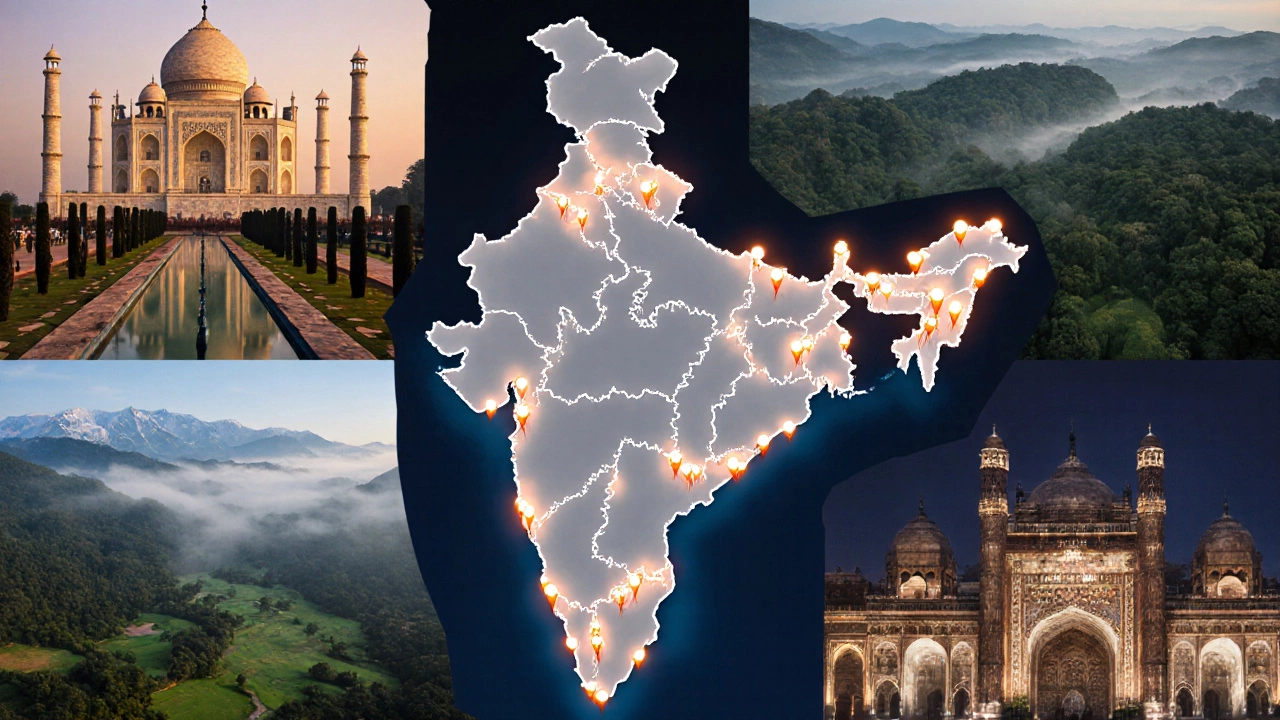
India Heritage Sites Count 2025 - Total UNESCO World Heritage Sites
Discover that India has 42 UNESCO World Heritage Sites in 2025, with a breakdown of cultural, natural and mixed sites, recent additions, and tips for planning your heritage tour.
Read more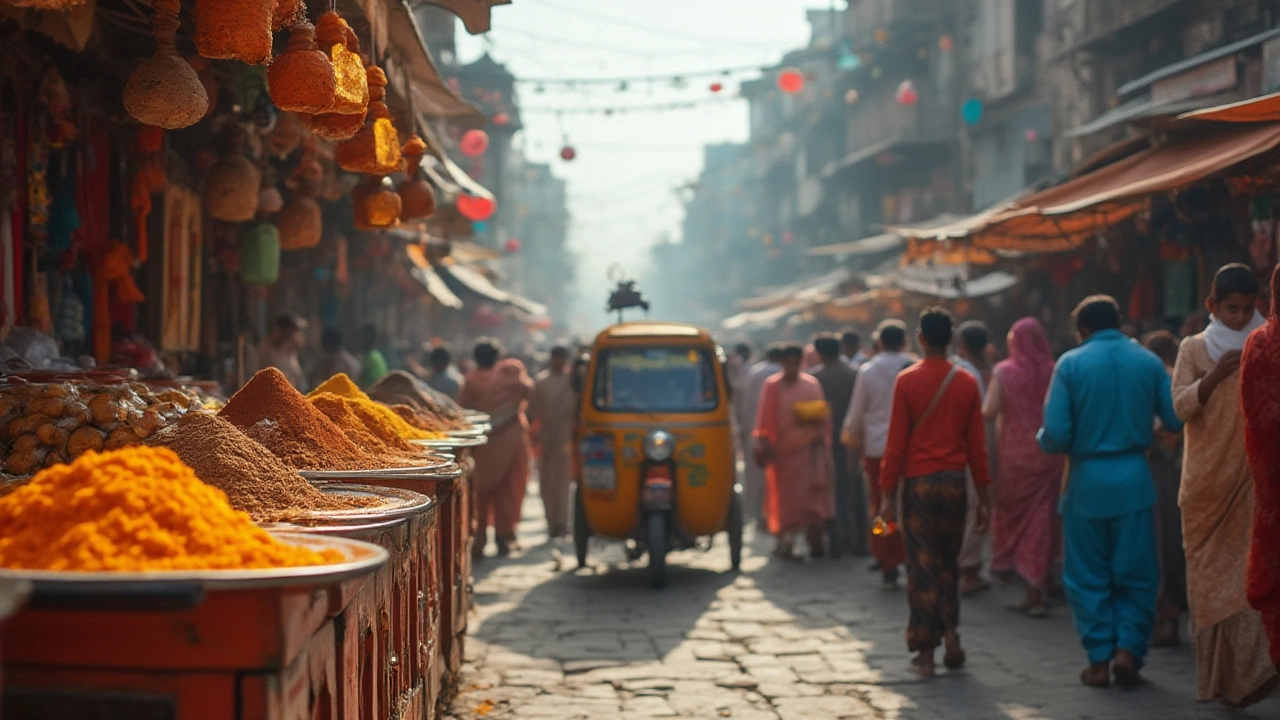
Tourism in India: Complete Guide on Culture, Heritage, and Unique Experiences
Explore India's tourism—from the Taj Mahal to spicy street food stalls. Learn about culture, history, must-see sites, and useful travel tips for your next journey.
Read more
Heritage Sites in India: Why They Matter More Than You Think
Heritage sites in India aren't just old buildings; they're the living memory of the country's culture and history. These sites tell stories from different eras, connect people to their roots, and show what makes India unique. They also boost local economies by attracting travelers and creating jobs. Protecting heritage sites means keeping traditions and real stories alive for future generations. Whether you're planning a trip or just curious, understanding their importance can totally change how you see India.
Read more
Is India the Oldest Culture in the World? Unveiling Ancient Heritages
India boasts an intricate tapestry of culture and history, captivating many with its claim as one of the oldest continuous civilizations. With an array of mesmerizing heritage sites, India invites us to explore its past, from the ancient Indus Valley to the spiritual streets of Varanasi. This deep dive sheds light on India's cultural continuity and the timeless traditions that still thrive today. Are these claims of being the oldest culture accurate? Let’s unpack the evidence and stories.
Read more