Great Himalayan National Park
When you think of untouched wilderness in India, the Great Himalayan National Park, a UNESCO World Heritage Site in Himachal Pradesh that protects one of the most biodiverse alpine ecosystems on Earth. Also known as GHNP, it’s not just a park—it’s a living archive of snow-capped peaks, ancient forests, and rare animals you won’t find anywhere else. This is where the Himalayas still breathe wild, far from tourist crowds and concrete roads.
What makes GHNP special isn’t just its size—it’s what lives inside it. The park shelters snow leopards, Himalayan brown bears, and the elusive blue sheep, all thriving in a landscape that changes from dense rhododendron forests to icy ridges above 6,000 meters. It’s one of the few places in India where you can actually track wildlife on foot, not just see it from a jeep. And because it’s protected under UNESCO, every trail, stream, and cliff has rules to keep it intact—no motor vehicles, no plastic, no over-tourism. That’s why trekkers from around the world come here: not for luxury, but for authenticity. The park connects directly to other protected zones like the Pin Valley National Park, forming a massive natural corridor that lets animals move freely across the mountains.
People often ask if it’s worth the effort. The answer is yes—if you’re ready for real adventure. You won’t find ATMs or Wi-Fi here, but you’ll find silence so deep you hear your own heartbeat. The park has five main trekking routes, each offering different views and challenges, from the gentle Kullu Valley trails to the steep, high-altitude circuits near Tirthan. It’s also a key stop for researchers studying climate change effects on mountain ecosystems. What you see today might be different in ten years, which is why visiting now matters.
And while you’re here, you’ll notice something else: this isn’t just nature—it’s culture. Local villages like Jiwa and Sainj still live in harmony with the land, selling handmade woolens and organic honey. Their knowledge of medicinal plants and animal behavior is passed down for generations. The park doesn’t just protect animals—it protects ways of life.
Below, you’ll find real stories from travelers who’ve hiked these trails, tips on permits and seasons, and comparisons to other Himalayan parks. Whether you’re planning your first high-altitude trek or just curious about India’s wild heart, these posts give you the truth—no fluff, no marketing, just what you need to know.
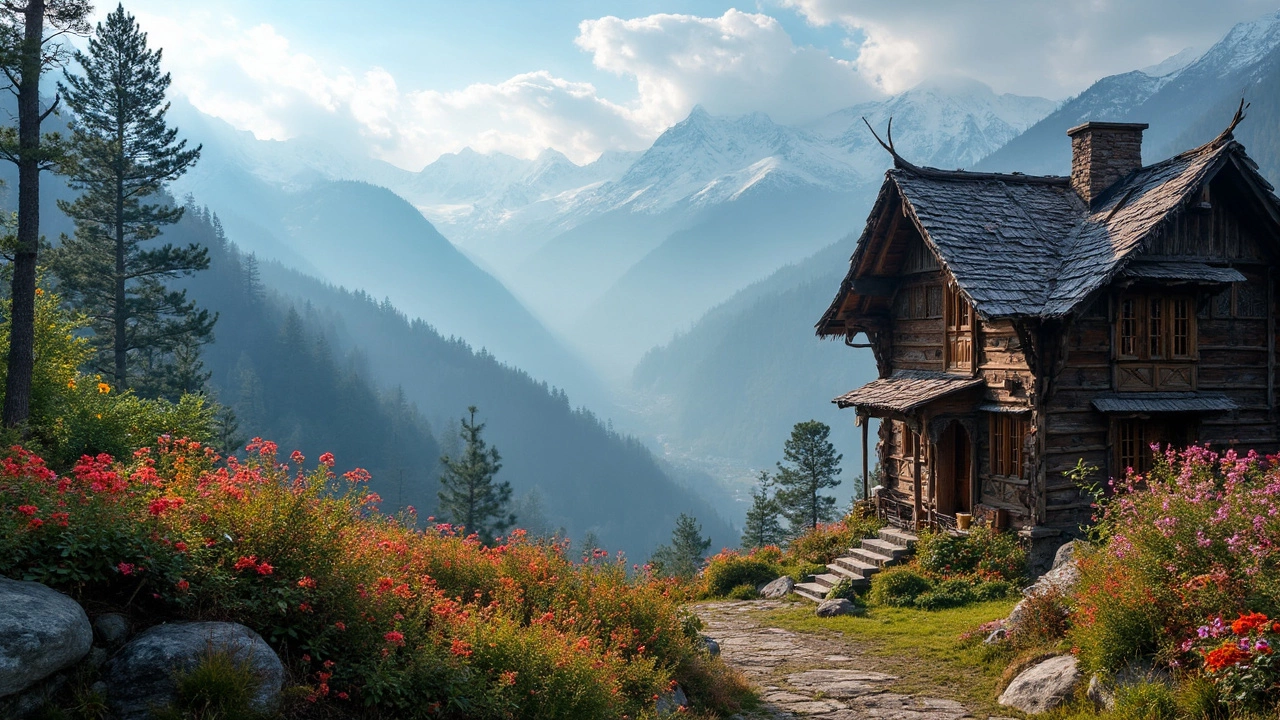
Exploring India's Only Mixed World Heritage Site: A Comprehensive Guide
Discover India's unique mixed World Heritage Site that combines natural beauty with cultural richness. Learn about the Great Himalayan National Park, its rich biodiversity, and the cultural traditions of the indigenous communities. Understand what makes it stand out as a UNESCO mixed heritage site and how you can explore its wonders. The article provides practical tips for visitors and insights into its conservation significance.
Read more