Gobekli Tepe: Ancient Temple That Rewrote Human History
When you think of the first human cities, you probably imagine pyramids, ziggurats, or Mesopotamian ruins. But Gobekli Tepe, a 12,000-year-old stone temple complex in modern-day Turkey. Also known as the world’s oldest known temple, it predates Stonehenge by 6,000 years and the pyramids by 7,000 years—and it was built by hunter-gatherers who hadn’t even invented farming yet. This isn’t just an old ruin. It’s a shock to the entire story of human progress.
Before Gobekli Tepe, experts believed humans only started building large stone structures after they learned agriculture, settled into villages, and had surplus food to support laborers. But here’s the twist: Gobekli Tepe was built before farming. That means people came together to build this place because of ritual, not because they had food to spare. They hunted, gathered, and then spent years carving massive T-shaped pillars—some weighing over 10 tons—and arranging them in circular enclosures with intricate animal reliefs. Lions, snakes, foxes, birds—every surface tells a story. This wasn’t a home. It was a spiritual center. And it pulled people from miles around, suggesting religion may have driven social organization, not the other way around.
What’s even wilder? Gobekli Tepe wasn’t just abandoned—it was intentionally buried. Around 8,000 BCE, people carefully filled in the entire site with dirt and rubble. Why? Maybe it was a ritual closing. Maybe the world was changing. Maybe the rise of farming made these ancient beliefs feel outdated. Whatever the reason, the act of burying it preserved it perfectly. For 11,000 years, no one knew it was there—until a Kurdish shepherd noticed strange stones poking out of the ground in the 1960s. Archaeologists didn’t take it seriously until the 1990s, when German scholar Klaus Schmidt dug deeper and realized they’d found something no textbook could explain.
Today, Gobekli Tepe is a UNESCO World Heritage Site and one of the most important archaeological discoveries of the last century. It doesn’t just belong in a history book. It belongs in every conversation about how humans became who we are. It connects to the ancient temples of India like Mundeshwari, the spiritual weight of Kumbh Mela gatherings, and even the quiet reverence of India’s most beautiful temples. All of them, in their own way, are echoes of that first moment when people stopped just surviving—and started building something bigger than themselves.
Below, you’ll find posts that explore ancient sites, spiritual traditions, and the surprising ways early human behavior still shapes how we travel, worship, and understand our past. Some talk about temple tours in India. Others compare heritage sites across continents. All of them tie back to one truth: the oldest places on Earth still have the loudest stories to tell.
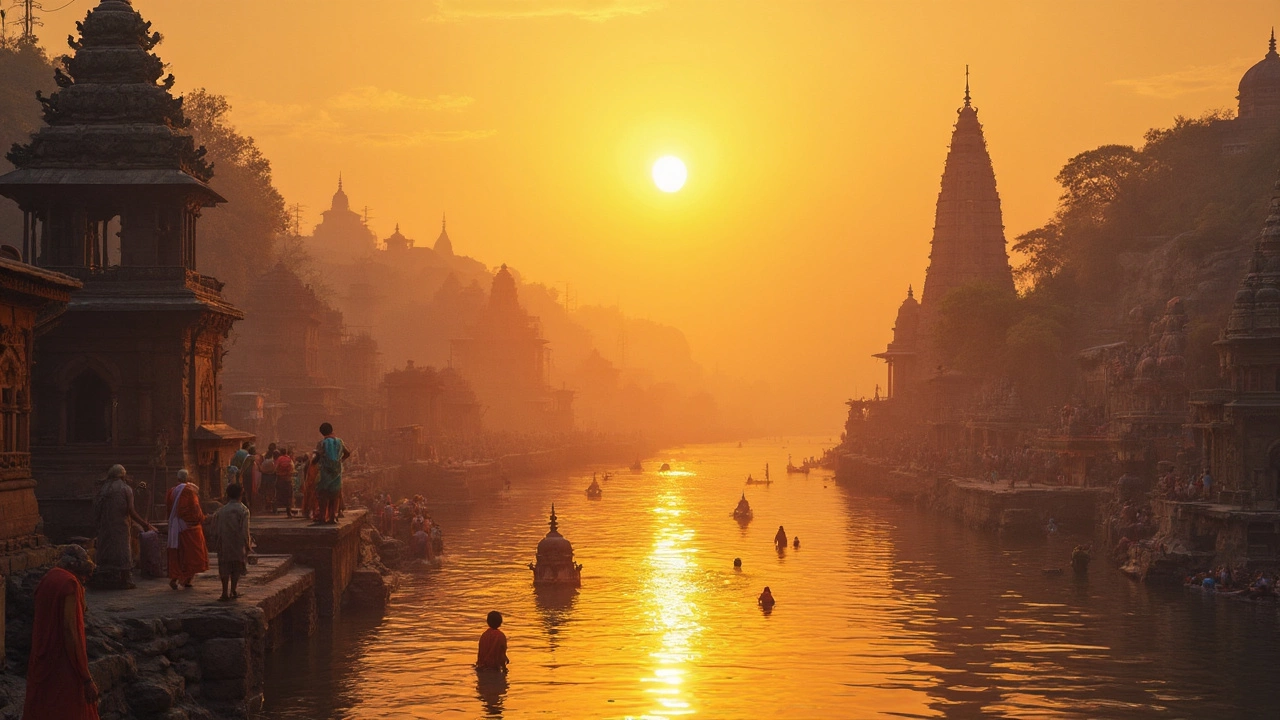
Exploring India's Ancient Temples: What's the Oldest Temple in the World?
Discover the ancient wonders of India by exploring its timeless temples. Learn about the oldest temple in the world, Gobekli Tepe in Turkey, and compare it with India's ancient architectural marvels that reflect history and spirituality. This article guides you through these captivating sites, offering tips for a seamless temple tour experience.
Read more