Goa Travel Tips: Essential Advice for Beaches, Food, and Safe Trips
When you think of Goa, a coastal state in western India known for its Portuguese heritage, golden beaches, and vibrant nightlife. Also known as India’s party capital, it draws millions every year—not just for the sun and sea, but for the mix of relaxation and energy you won’t find anywhere else in the country. But Goa isn’t just about lounging on Palolem or dancing at Baga. Getting the most out of your trip means knowing where to go, what to eat, and how to stay safe without falling for overpriced traps.
One big mistake travelers make? Assuming all beaches in Goa are the same. Palolem, a calm, crescent-shaped beach in South Goa, perfect for families and quiet sunsets is totally different from Vagator, a rocky, lively spot with cliffside shacks and sunset parties. North Goa buzzes with clubs and water sports; South Goa is all about slow mornings, coconut water, and hidden coves. Pick your vibe first, then plan your stay. Don’t just book the first hotel you see on Google—ask locals where they go when they want peace. Many stay in small guesthouses in Arpora or Assagao, not the crowded beachfronts.
Food in Goa isn’t just spicy curry and prawn balchão. The real secret? Eat where the fishermen eat. Look for small shacks with plastic chairs and no signs—those are the ones serving fresh catch straight off the boat. Avoid restaurants with menus in five languages and photos of every dish. Try fish curry rice at a local home-run eatery near Mapusa market. And yes, you can drink tap water if you’re careful—most hotels and homestays use filters, but bottled water is still the smart move. Street food? Go for grilled corn, bhel puri, and fresh mango juice. Skip the raw salads unless you know the vendor washes everything in purified water.
Safety in Goa? It’s generally fine, but pickpockets target crowded beaches and bus stations. Keep your phone and wallet tucked away. Women traveling alone should avoid walking alone at night in isolated areas, even if the vibe feels chill. Always use registered taxis or ride apps like Ola or Uber—unmarked bikes or autos can be risky. And don’t be fooled by "discount" tour operators offering "free" beach trips. They’ll drop you off, then pressure you into buying overpriced souvenirs.
The best time to visit? Between November and February. The weather is perfect, the sea is calm, and you can actually sleep without the noise of beach parties. March to May gets hot and sticky. June to September? Monsoon. Roads flood, some beaches close, and you’ll spend more time indoors than out. If you want fewer crowds and lower prices, aim for late October or early March. You’ll still get sun, but without the crowds.
Whether you’re here for yoga in Anjuna, snorkeling in Grande Island, or just sipping feni under a palm tree, these tips will save you time, money, and stress. Below, you’ll find real stories from travelers who’ve been there—what worked, what didn’t, and how to make your Goa trip feel like it was planned by someone who actually lives here.
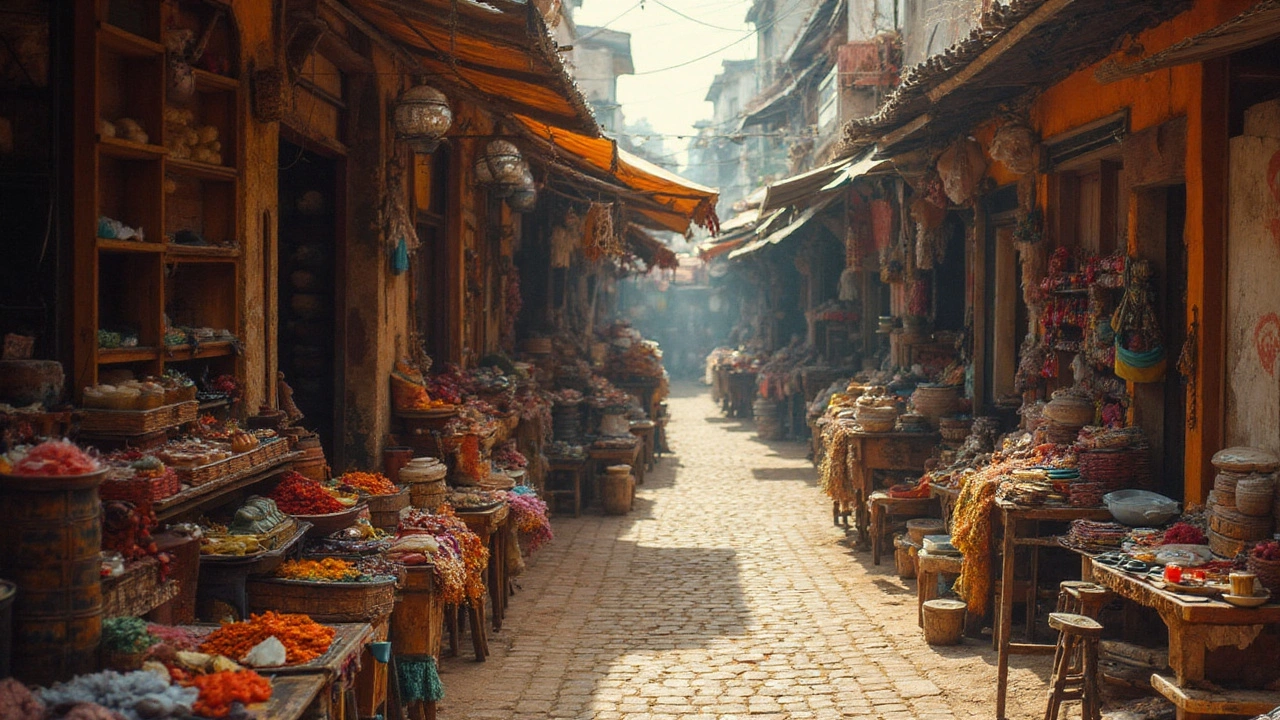
Which Is the Hippie Capital of India? Goa’s Anjuna & Arambol 2025 Guide
Quick, clear answer: Goa is widely seen as India’s hippie capital-especially Anjuna, Vagator, and Arambol. History, where to go, best time, costs, and safe, smart tips.
Read more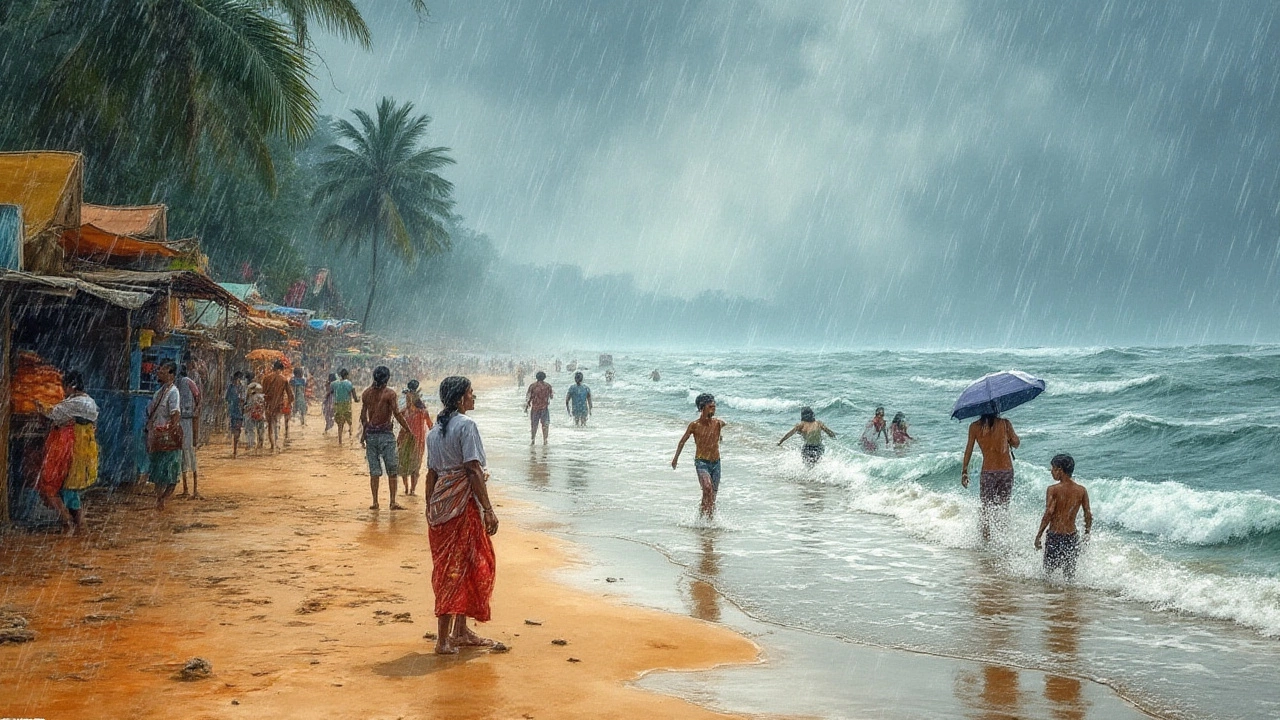
Worst Times to Visit Goa: Avoid Monsoon, High Season & Crowds
Find out exactly when not to visit Goa and why. Learn about the monsoon chaos, tourist crowds, and festival frenzy so you can plan your perfect Goa trip like a pro.
Read more