Goa Hippie Culture: Origins, Legacy, and What Still Remains Today
When people talk about Goa hippie culture, a unique blend of free-spirited travel, Eastern spirituality, and Western rebellion that took root in India during the late 1960s. Also known as Goa counterculture, it wasn’t just a trend—it was a migration. Thousands of young travelers from Europe and North America arrived seeking peace, psychedelic experiences, and escape from rigid societal norms. They didn’t just visit; they stayed, settled, and left behind a cultural fingerprint that still shapes parts of Goa today.
This movement didn’t happen by accident. Goa’s relaxed vibe, cheap living, long beaches, and lack of strict enforcement made it a magnet for those rejecting the mainstream. The 1960s Goa, a time when the state had just been liberated from Portuguese rule and was still largely untouched by mass tourism became a perfect blank canvas. Hippies set up ashrams, opened small cafes, and traded beads for beds. They brought with them music, meditation, and a deep interest in Indian philosophy—especially yoga and ayurveda. These weren’t just passing fads. Many learned from local teachers, married into Goan families, and raised children who grew up bilingual and bicultural. The hippie travel India, a global movement of backpackers seeking spiritual and sensory experiences found one of its most enduring homes here.
Today, the raw, unfiltered version of that era is gone. The beaches of Anjuna and Vagator no longer host naked sunbathers or open-air trance parties that lasted for days. But the spirit? It’s still alive. You’ll find it in the handwoven scarves sold by elderly vendors who remember the ’70s. In the vegetarian cafes that still serve dal and roti with no menu—just what’s fresh. In the yoga classes offered at sunset on Palolem Beach, led by teachers whose parents were part of the original wave. Even the architecture of some old shacks still carries the same hand-built, bohemian charm. The Goa beach history, a layered story of colonial forts, fishing villages, and now, global wanderers is written in the sand, the salt air, and the quiet hum of sitar music drifting from a hidden courtyard.
What you won’t find anymore are the drug-fueled chaos or the complete lack of rules. Goa changed. India changed. But the core idea—that travel can be a form of self-discovery, that peace can be found far from home—still draws people here. The modern traveler might not smoke hash under a banyan tree, but they still come for the same reason: to slow down, to breathe, to feel something real. The Goa hippie culture didn’t vanish. It evolved. And if you know where to look, you can still feel its heartbeat.
Below, you’ll find real stories, photos, and firsthand accounts from those who lived it—and those who still carry it forward. From the last surviving hippie-run guesthouse to the new generation of artists keeping the vibe alive, this collection isn’t about nostalgia. It’s about what happens when a place becomes a movement, and how that movement refuses to die.
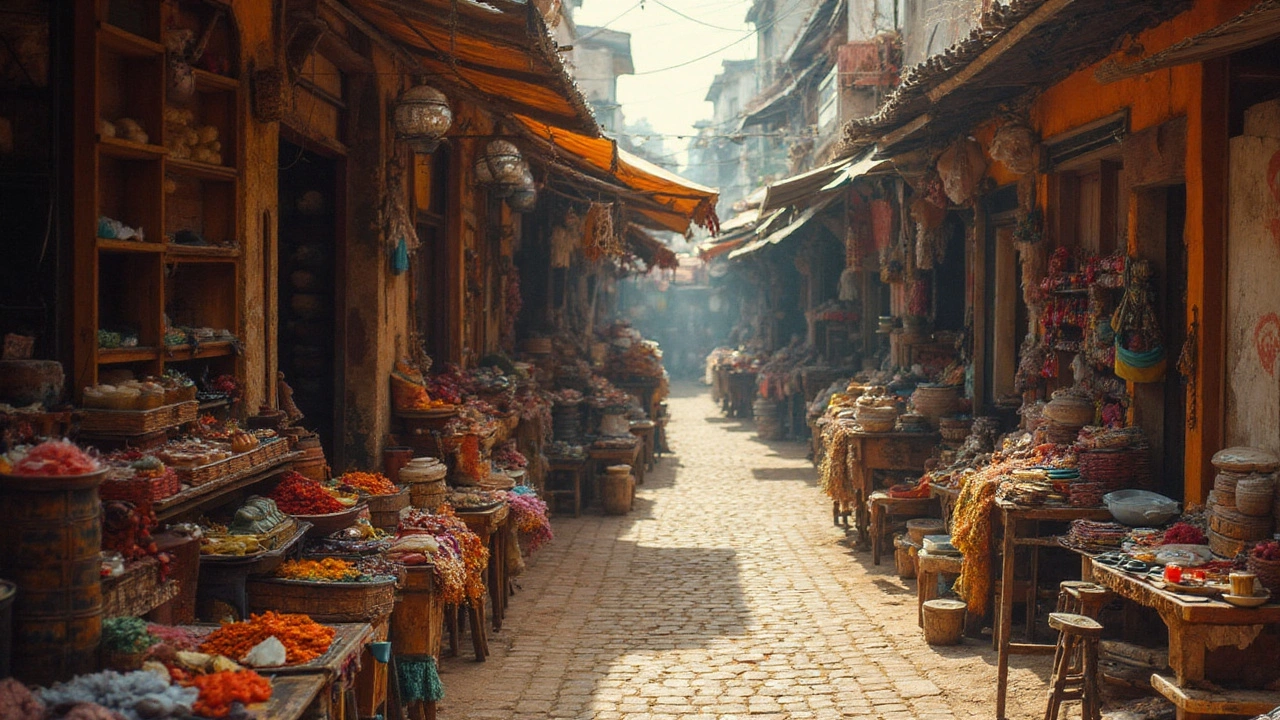
Which Is the Hippie Capital of India? Goa’s Anjuna & Arambol 2025 Guide
Quick, clear answer: Goa is widely seen as India’s hippie capital-especially Anjuna, Vagator, and Arambol. History, where to go, best time, costs, and safe, smart tips.
Read more