Eating Out in India
When you’re eating out in India, the vibrant, spicy, and deeply aromatic food culture that defines the country. Also known as Indian street food culture, it’s not just about taste—it’s about trust, timing, and knowing what to look for. Millions of travelers eat here every year without a single stomach issue, and it’s not luck. It’s strategy.
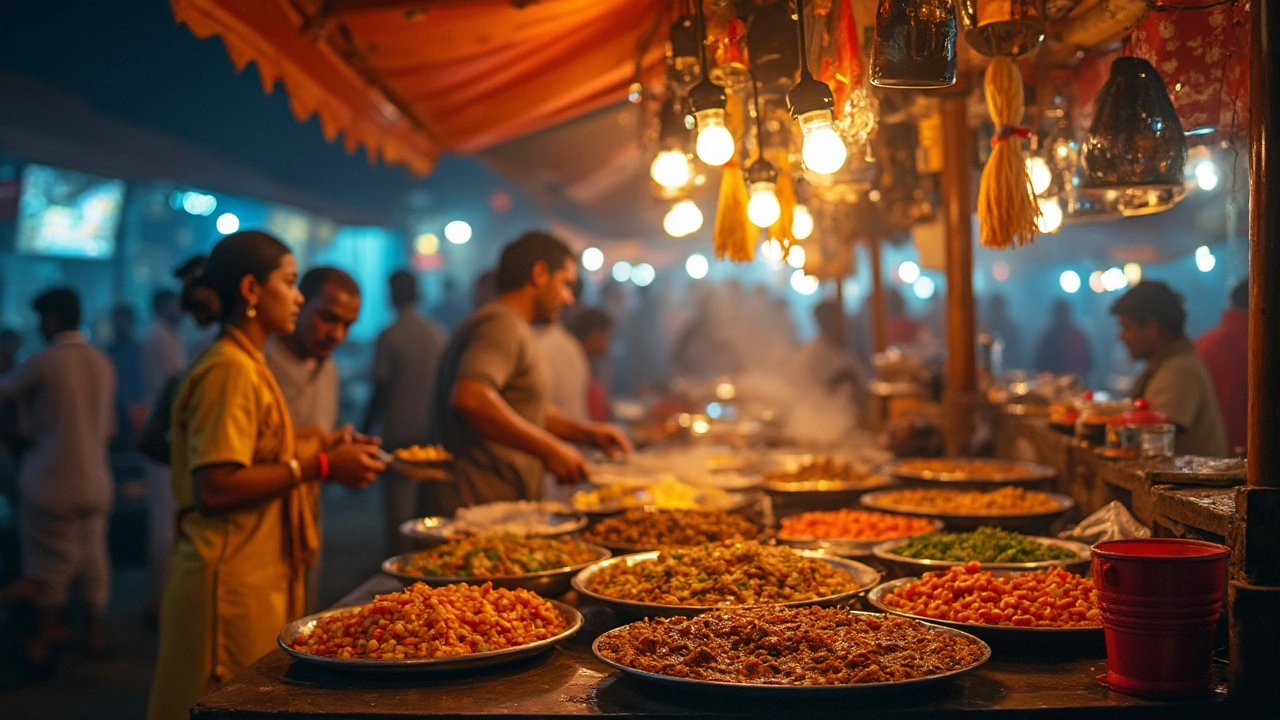
You don’t need to avoid street food to stay safe. In fact, some of the best meals you’ll ever have come from a cart with no name and a line of locals waiting. The trick? Look for heat. Food that’s cooked fresh, served steaming hot, and moved quickly from flame to plate is low risk. Avoid anything sitting out in the open for hours, especially raw salads, unpeeled fruit, or drinks with ice from unknown sources. In North India, you’ll find butter chicken, parathas, and chole bhature served hot on steel plates—perfect choices. In the south, dosas and idlis are steamed, not fried, making them naturally safer bets. And always go where the locals are standing in line—it’s the best review system you’ll find.
Indian street food, a dynamic mix of regional flavors, spices, and traditions passed down through generations. Also known as local snacks, it includes everything from pani puri in Delhi to vada pav in Mumbai. These aren’t just snacks—they’re cultural moments. A plate of pani puri isn’t just tangy and spicy; it’s a burst of texture, temperature, and tradition. You’ll find vendors who’ve been making the same recipe for 30 years. That’s the kind of consistency that keeps people healthy. Then there’s North India cuisine, a rich tapestry of dairy, wheat, and slow-cooked meats that define the region’s food identity. Also known as Punjabi and Mughlai food, it’s the reason you’ll crave dal makhani and naan long after you’ve left. These dishes are rarely served raw. They’re simmered for hours, served steaming, and often eaten with your hands—a sign of freshness and care.
What about tourists who’ve had bad experiences? Usually, it’s not the food itself. It’s the water, the ice, or the fruit washed in unsafe water. Stick to bottled water, peel your own fruit, and skip the smoothies unless you’re sure they’re made with purified water. Most hotels and reputable restaurants use filtered water for cooking—ask if you’re unsure. And if you’re nervous, start with what the locals eat: hot pakoras, freshly made roti, or a bowl of khichdi. Simple, clean, and comforting.
Eating out in India isn’t about avoiding risk—it’s about reading the signs. A busy stall means high turnover. Steam rising from a pot means it’s hot. A vendor wearing gloves or using tongs? That’s a good sign. You don’t need to be an expert. Just be observant. The food here is too good to miss, and too safe to fear if you know where to look. Below, you’ll find real guides from travelers who’ve done it right—what they ate, what they skipped, and how they stayed healthy while tasting the best India has to offer.
How Much Does a Meal Really Cost in India?
Traveling around India on a budget? Knowing how much a typical meal will set you back can help in planning your trip. This article dives into the varied costs of eating out in India, from street food stalls to local restaurants, and shares some cool tips for keeping those food bills low while enjoying the country's delicious flavors.
Read more