Culture in India: Traditions, Festivals, and Daily Life That Define the Country
When you think of culture in India, the living blend of ancient rituals, regional customs, and vibrant public celebrations that shape everyday life across the country. Also known as Indian heritage, it’s not something you just observe—it’s something you walk through, taste, hear, and feel. This isn’t a museum exhibit. It’s the rhythm of life in a temple courtyard at dawn, the smell of incense rising above a street festival, the sound of a dhol drum echoing during a village wedding. Culture here doesn’t stay in books—it moves, sings, eats, and prays.
From the massive Kumbh Mela, the world’s largest religious gathering, where millions bathe in sacred rivers to cleanse their souls, to the quiet devotion of a family offering flowers at a 5,000-year-old Mundeshwari Temple, one of the oldest continuously worshipped Hindu shrines in the world, culture in India is layered, deep, and alive. It’s also what draws travelers not just to see temples, but to understand them. You don’t just visit a temple—you experience why it exists, how it connects people across generations, and how it shapes the rhythm of daily life. And it’s not just about religion. Culture in India shows up in food, too. Why does rice dominate every meal? Because it’s tied to harvest cycles, family rituals, and regional identity—not just taste. Same with street food: it’s not just cheap eats. It’s a social contract, a shared trust between vendor and customer, built on heat, freshness, and local knowledge.
Then there’s the contrast—North vs South, city vs village, modern vs ancient. In Goa, the hippie spirit still lingers in beachside cafes, while in Punjab, safety and hospitality define the traveler’s experience. In the south, temple tours follow ancient architectural rules; in the north, festivals like Rath Yatra turn entire cities into processions. And all of it? It’s documented, shared, and lived by millions. That’s why you’ll find posts here about the most beautiful temples, the biggest festivals, the safest places to explore, and even what Americans can safely eat without getting sick. This isn’t a checklist of sights. It’s a guide to understanding how culture in India doesn’t just exist—it breathes.
What you’ll find below isn’t just a list of articles. It’s a map to the real India—the one you don’t see in brochures. The one where heritage isn’t just preserved, but practiced. Where every festival, every dish, every temple, and every street corner tells a story. Ready to walk through it?
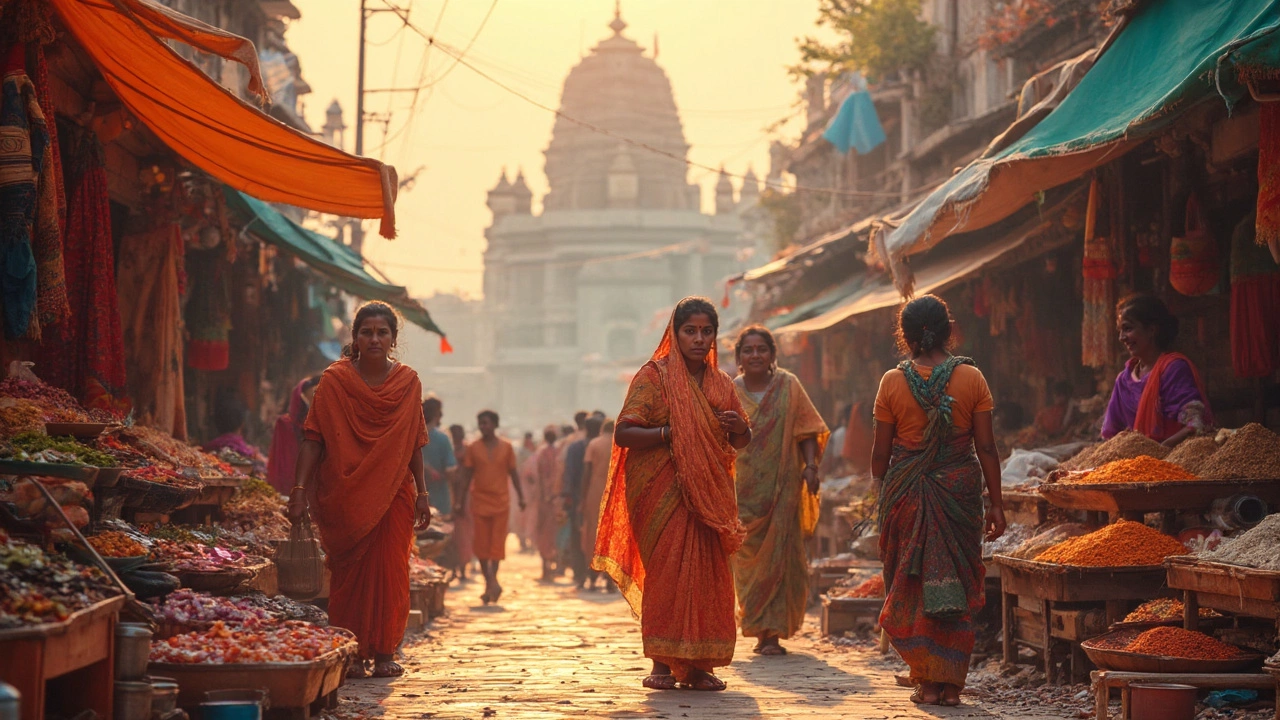
India Culture: Why the World Can't Stop Talking About It
India is famous for its culture because it blends ancient traditions, colorful festivals, and diverse lifestyles, all in one place. From spicy street food to sacred rituals by the Ganges, every corner of the country feels alive with history and meaning. Travelers get swept up in everything from epic dance shows to market haggling over handmade crafts. Dive deeper and you'll find wisdom in daily customs and family ties like nowhere else. For visitors, understanding India's culture isn't just interesting—it's the real secret to unlocking the country's magic.
Read more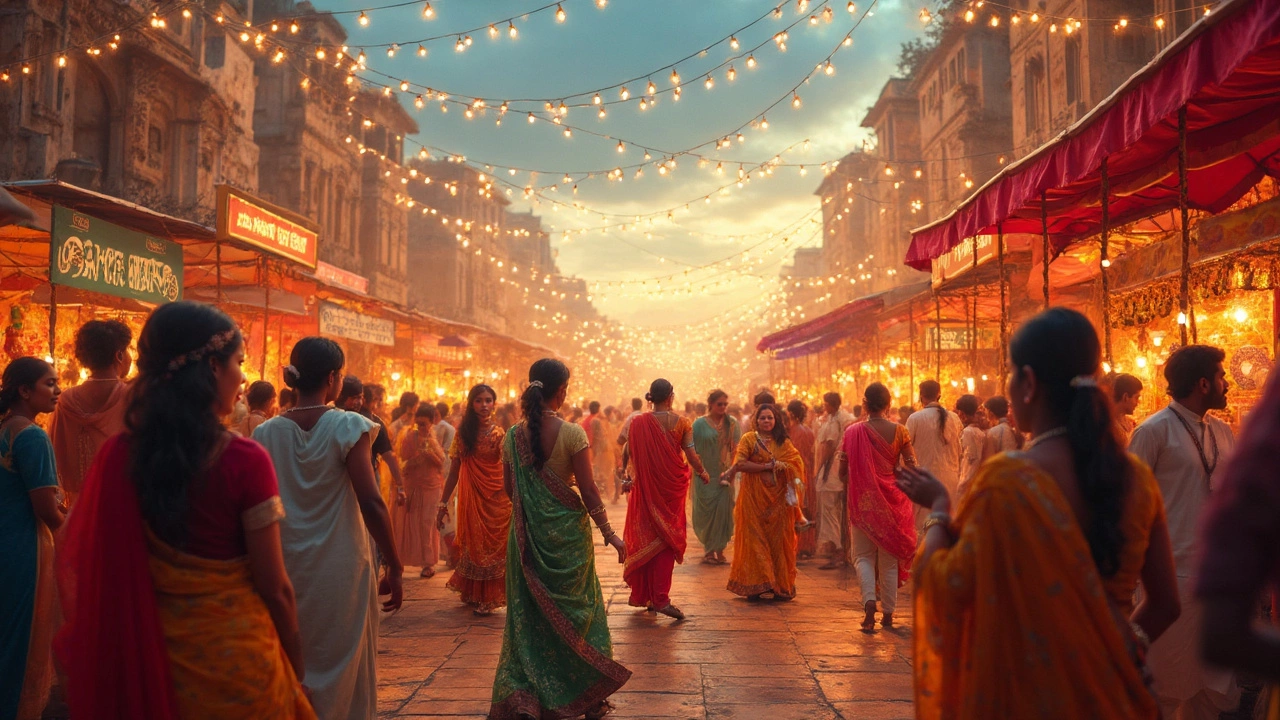
Which Country Has the Best Culture in the World? Exploring Cultural Tourism in India
India's cultural richness makes it a standout destination for cultural tourism. This article explores why India's culture leaves a lasting impression and unveils captivating traditions, historical landmarks, and vibrant festivals that enrich the traveler’s experience. Understand how India's diverse cultures come together to create a unique tapestry of human expression and history, offering visitors unforgettable memories and insights. Discover the intriguing aspects that make India a cultural haven for tourists.
Read more