Chadar Trek: What You Need to Know About India’s Frozen River Expedition
When you think of trekking in India, you might picture green hills or Himalayan peaks—but the Chadar Trek, a winter trek on the frozen Zanskar River in Ladakh, where temperatures drop below -30°C and trekkers walk on ice that’s up to 3 feet thick. Also known as the Frozen River Trek, it’s one of the most extreme and visually stunning treks on Earth. Unlike typical trails, this route has no marked paths. You’re walking on a river that’s frozen solid, surrounded by towering cliffs and ice caves that glow blue in the morning light. It’s not just a hike—it’s a journey through a frozen landscape that few people ever see.
This trek isn’t for everyone. It demands serious preparation. You need the right gear—thermal layers, insulated boots, and a good sleeping bag rated for -40°C. Altitude is another challenge; the trek starts around 3,400 meters and climbs to over 4,000 meters. Many trekkers come from places like Delhi, Mumbai, or even abroad, drawn by the raw beauty and the sense of adventure. But what makes it truly special isn’t just the ice—it’s the isolation. You won’t find cell service, Wi-Fi, or even many other people. It’s just you, your group, and the silence of the frozen river.
People often ask if the Chadar Trek is safe. The answer? It’s risky, but manageable with the right guide and timing. The trek runs from mid-January to late February, when the ice is thick enough to hold weight but not so brittle that it cracks underfoot. Local guides know the safe zones, the hidden currents beneath the ice, and where to camp without risking avalanche or flooding. You’ll sleep in tents on snow, eat hot meals cooked over stoves, and walk for 6-8 hours a day. It’s physically tough, but mentally rewarding. Many who complete it say it changes how they see endurance, nature, and even themselves.
The Chadar Trek connects to other extreme adventures in the region. If you’ve heard of K2 Base Camp or the Abruzzi Ridge, you know how demanding high-altitude trekking can be. The Chadar Trek is different—it’s not about climbing peaks, but about surviving a landscape that seems impossible to cross. It’s a test of grit, not strength. And while most trekkers focus on the ice, the real magic happens at night, when the stars are so bright they feel close enough to touch, and the only sound is the occasional crack of the river shifting beneath you.
What you’ll find in the posts below are real stories from people who’ve done it—what they packed, what went wrong, what surprised them, and how they stayed warm. You’ll also see how it compares to other winter treks in India, why some travelers skip it entirely, and what you absolutely must know before booking your trip. No fluff. No hype. Just what works, what doesn’t, and how to prepare so you don’t end up stranded on the ice.
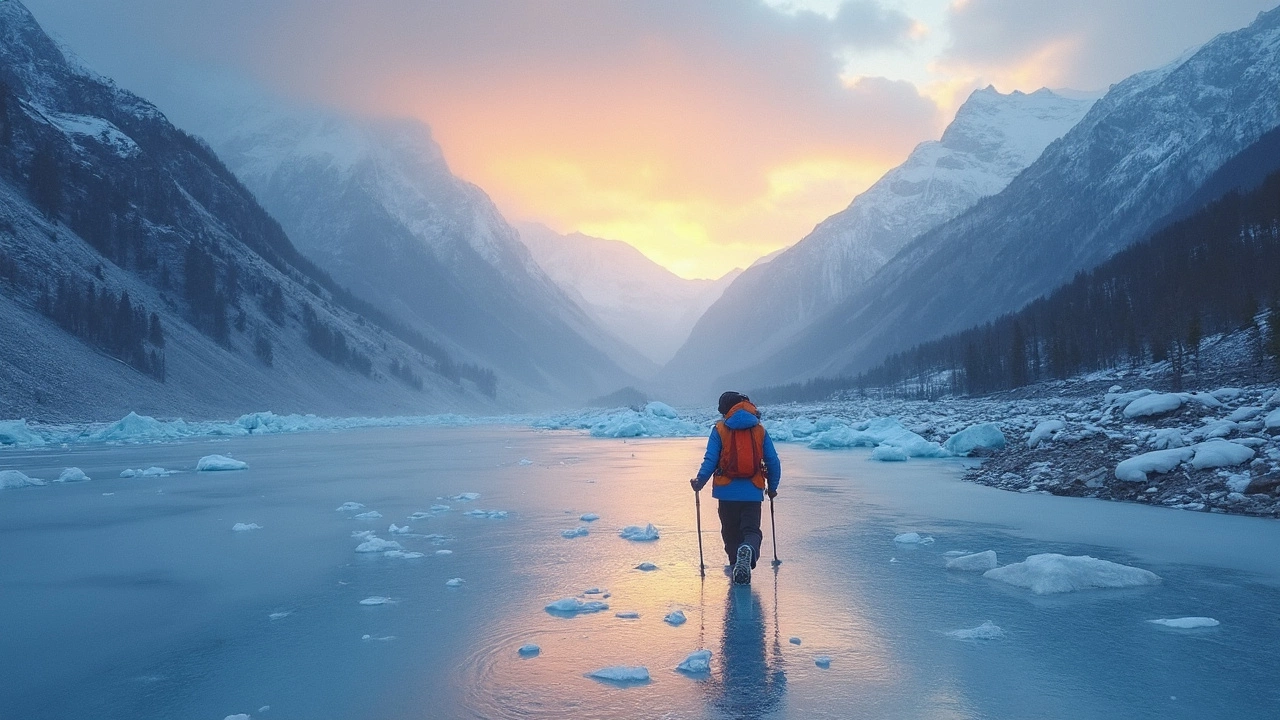
Discover India's Toughest Trek: Chadar Trek on Zanskar River
In the heart of the frigid Himalayas, the Chadar Trek on the frozen Zanskar River is recognized as the toughest trek in India. This trek challenges adventurers with its sub-zero temperatures, icy paths, and mesmerizing landscapes. Expect to journey over ice, witness breathtaking vistas, and encounter the resilient culture of locals who thrive in harsh conditions. It’s not just a trek; it's a test of endurance and spirit.
Read more