Blue City of India: Jodhpur’s Iconic Blue Homes and Cultural Heritage
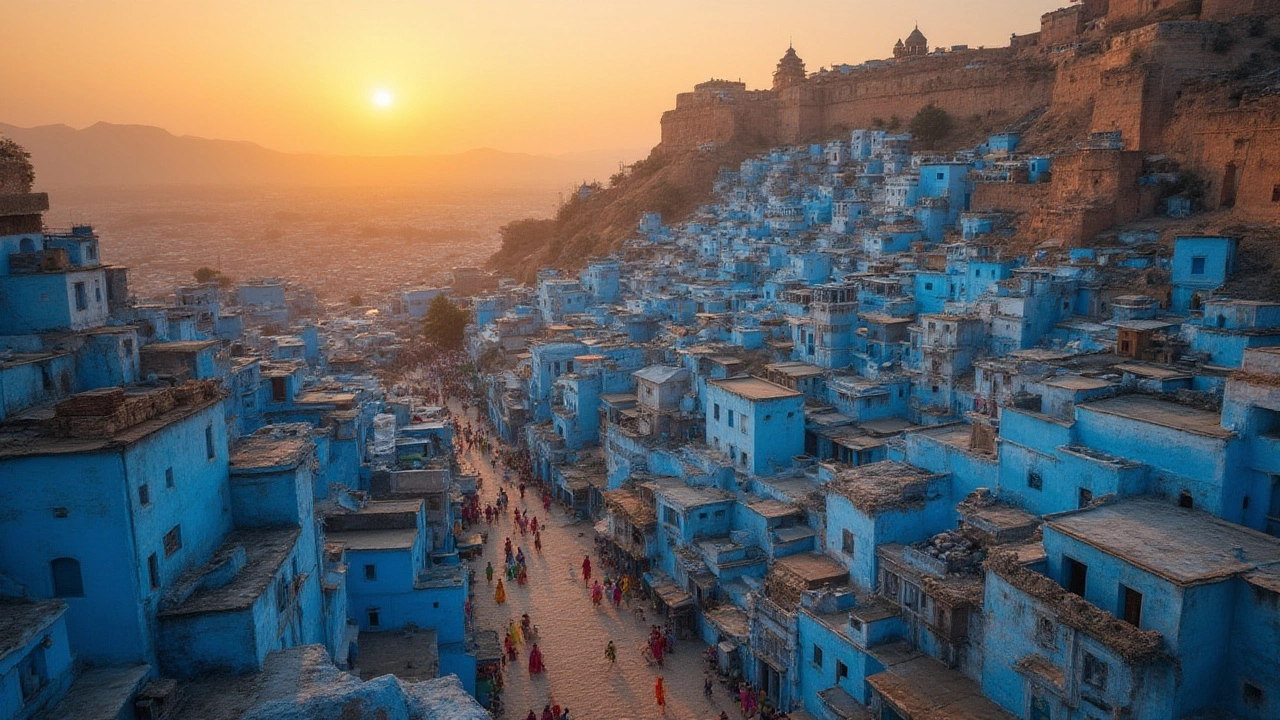
When people talk about the Blue City of India, a nickname for Jodhpur in Rajasthan, known for its striking blue-painted houses that cover entire neighborhoods. Also known as the Blue City, it’s not just a pretty sight—it’s a centuries-old tradition tied to caste, climate, and culture. Walk through the old town near Mehrangarh Fort, and you’ll see walls, doors, and rooftops painted in shades of cobalt, indigo, and turquoise. No one knows exactly when it started, but locals say the color kept homes cool in the desert heat and kept termites away. Others believe it was a way for Brahmins to mark their homes, setting them apart from the rest of the city. Today, it’s a living heritage, not a tourist gimmick.
The Mehrangarh Fort, a massive 15th-century fortress perched on a hill overlooking Jodhpur, with walls up to 120 feet high and a museum filled with royal artifacts is the city’s crown jewel. It’s where you get your first view of the blue sea of homes below. The Jaswant Thada, a marble memorial built for Maharaja Jaswant Singh II, with intricate carvings and serene gardens that reflect the city’s Mughal and Rajput influences sits nearby, offering quiet contrast to the bustling bazaars. Inside the old city, you’ll find spice markets, hand-block printed fabrics, and street vendors selling mirchi bada—spicy fried chili fritters that locals swear by. This isn’t a theme park. It’s a working city where families still repaint their homes every few years, keeping the tradition alive.
What makes Jodhpur different from other heritage cities in India? It’s the scale. In Udaipur, you’ll find palaces. In Jaipur, you’ll see pink facades. But in Jodhpur, the entire neighborhood is blue. You don’t just visit a landmark—you walk through a living canvas. And it’s not just about looks. The blue pigment, traditionally made from limestone and indigo, still has practical benefits in the desert climate. Even today, many families mix their own paint and repaint their homes by hand. This isn’t tourism-driven. It’s identity-driven.
If you’re planning a trip to Rajasthan, Jodhpur deserves more than a day. Stay overnight. Walk the narrow lanes after sunset when the lights reflect off the blue walls. Visit a rooftop restaurant with a view of the fort. Talk to a local artisan who’s been painting homes for 40 years. You’ll find that the Blue City of India isn’t just a place—it’s a story written in color, passed down through generations.
Below, you’ll find real travel guides, safety tips, and cultural insights from people who’ve explored Jodhpur and the surrounding regions. Whether you’re curious about the history behind the blue, planning a taxi tour through Rajasthan, or wondering how to avoid tourist traps, the posts here give you the real deal—not the brochures.
Why Jodhpur is Known as the Blue City of India: History, Culture, and Travel Tips
Discover why Jodhpur is called the Blue City of India. Explore its vibrant blue houses, forts, culture, and best travel tips for an unforgettable trip.
Read more