Best Time to Visit India: When to Plan Your Trip for Perfect Weather and Crowds
When you're planning a trip to India, a vast country with extreme seasonal shifts, diverse climates, and major cultural events that shape travel patterns. Also known as the Indian subcontinent, it’s not one destination—it’s dozens, each with its own ideal window for visiting. The best time to visit India isn’t a single month. It depends on where you’re going, what you want to do, and how you feel about heat, rain, or crowds.
For most travelers, the sweet spot is between October and March, the dry, cool season across northern and central India. That’s when Delhi, Agra, Jaipur, and Varanasi are pleasant to explore. Temperatures hover between 15°C and 25°C. No monsoon haze. No 45°C heatwaves. This is also when festivals like Diwali and Holi light up the country, drawing millions but offering unforgettable experiences. If you’re chasing temple tours, heritage sites, or city walks, this is your window.
But if you’re heading south, the rules change. Southern India, including Kerala, Tamil Nadu, and Karnataka, has a different rhythm. Its peak season runs from November to February, but even in April or May, the humidity feels manageable compared to the north. Goa’s beaches are lively from October to March, but if you want quiet sands and lower prices, try May or June—just before the monsoon hits. The monsoon itself, from June to September, brings heavy rain, especially to the west coast and hills, but it’s also when places like Munnar and Coorg turn emerald green. Some travelers even prefer this time for fewer tourists and lush scenery.
And don’t ignore the Himalayas. If trekking to K2 Base Camp or exploring Ladakh, you need summer—May to September. Outside that window, roads close, snow blocks passes, and temperatures drop below freezing. The same goes for the northeast: places like Assam and Meghalaya are best visited from October to April. Winter is too cold, monsoon too wet.
Timing also affects your wallet. Flights and taxis get pricier during peak season, especially around Christmas and Indian holidays. If you want to save money, aim for shoulder months—April, May, or September. You’ll still get good weather in many regions, and you’ll avoid the biggest crowds. You’ll also find better deals on accommodations and local guides.
What you’ll find below are real, tested insights from travelers who’ve been there. Whether you’re wondering if Mumbai is safer in winter than summer, if Punjab’s weather makes for better road trips in January, or when exactly to catch the Kumbh Mela without getting crushed by crowds—these posts give you the straight facts. No fluff. No guesswork. Just what works, when, and why.
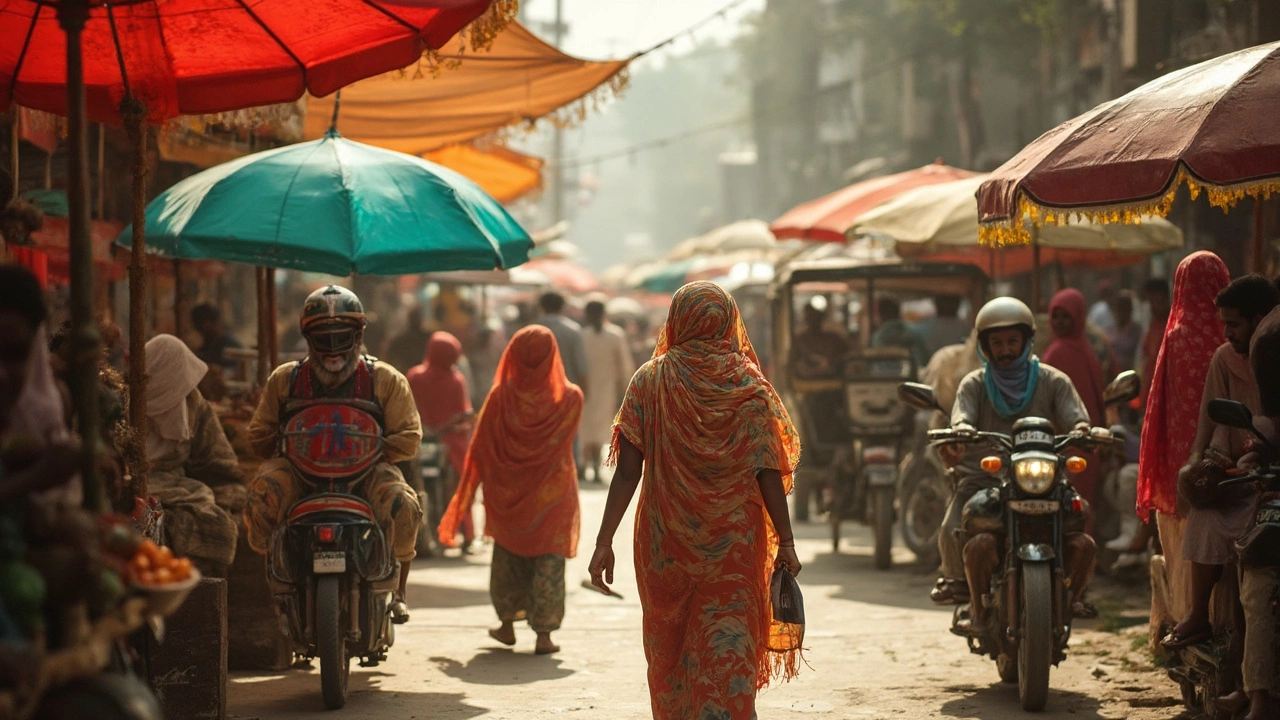
Hottest Month in North India: What to Expect and How to Survive
June is the hottest month in North India, with temperatures often pushing past 45°C in many cities. This article breaks down which areas get hit the hardest, how locals and travelers deal with the extreme heat, and why many still visit during this season. Find out what to pack, how to stay cool, and which sights might actually be better in the off-season. Useful tips and real weather insight make your summer trip a whole lot easier and safer.
Read more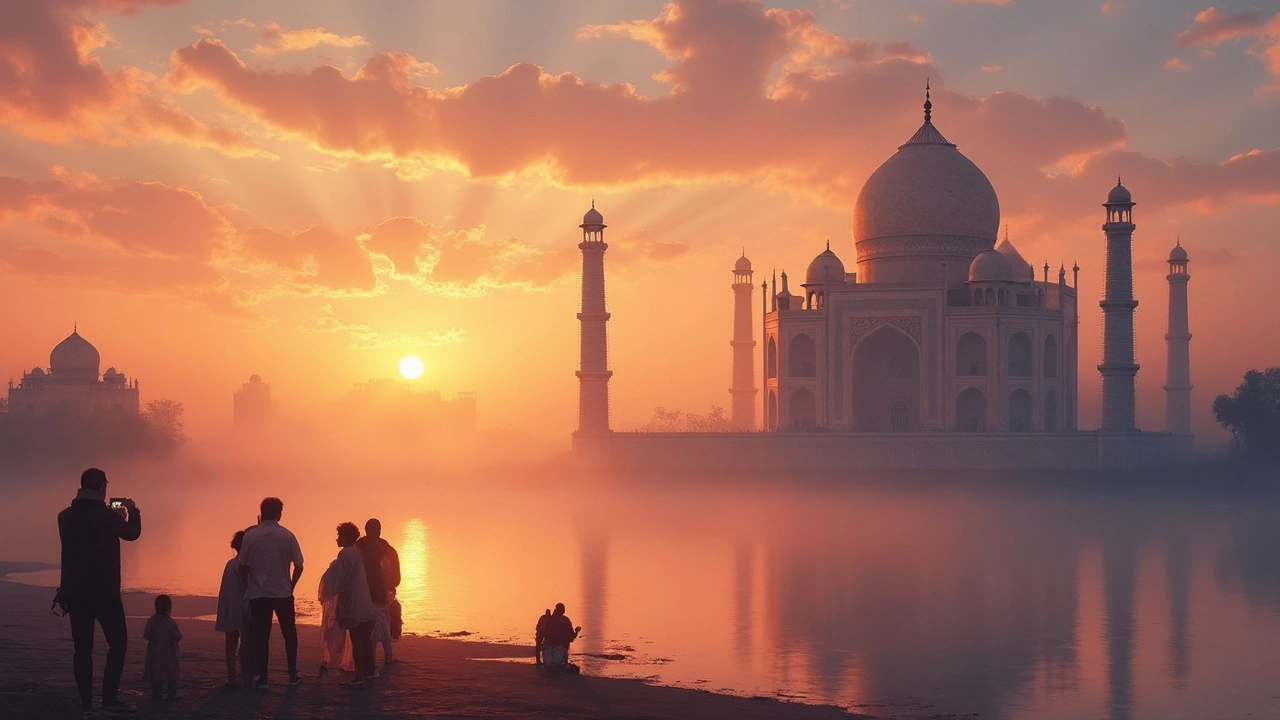
Best Time to Visit the Taj Mahal: A Budget Traveler's Guide
Planning a trip to the Taj Mahal? Discover the best times to visit this iconic wonder, along with budget-friendly tips to make your experience unforgettable. Explore how seasonal changes, cultural events, and travel hacks can affect your visit. Practical advice on weather, crowds, and ticket strategies can help in crafting a perfect itinerary. Make the most of your Taj Mahal adventure without breaking the bank.
Read more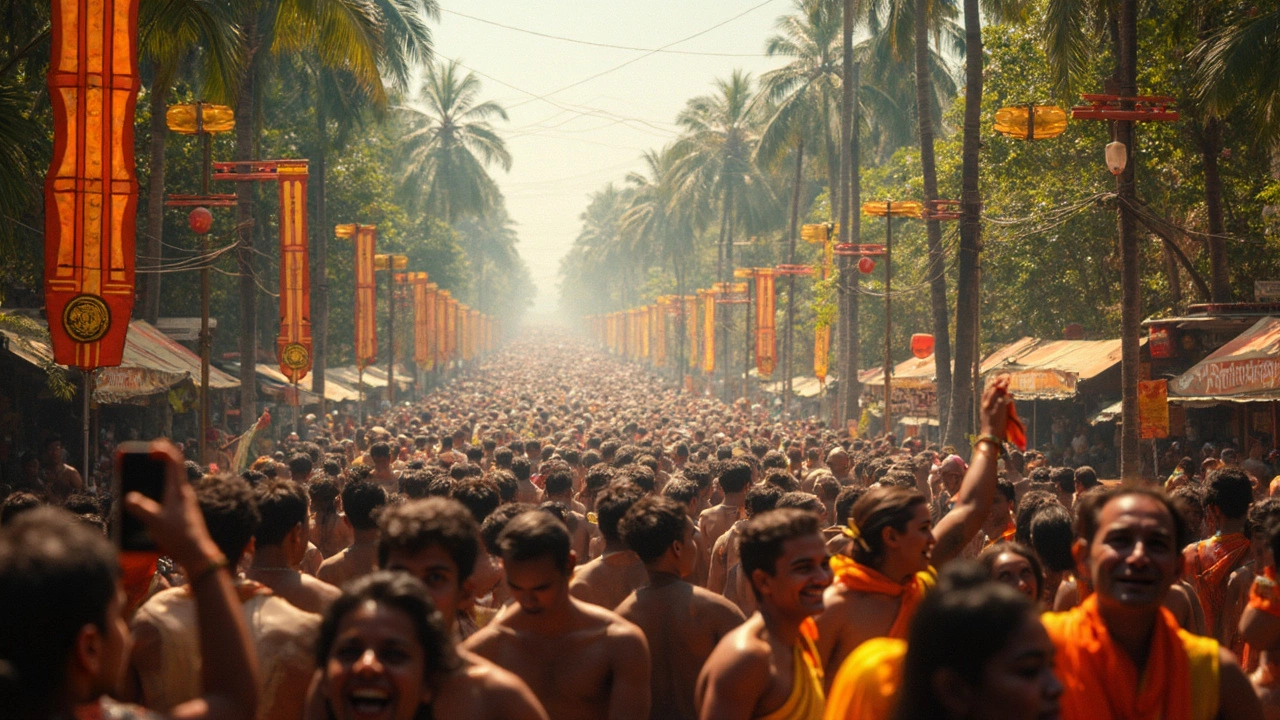
When to Avoid Visiting Kerala: Timing Your Trip to South India
Thinking of visiting Kerala? While it's a fantastic destination, timing is crucial. Discover when it's best to avoid traveling there due to weather conditions, crowds, and local events. Knowing when to steer clear will help plan a smoother, more enjoyable trip. Let’s explore how to navigate around the times when it might be best to postpone your Kerala adventure.
Read more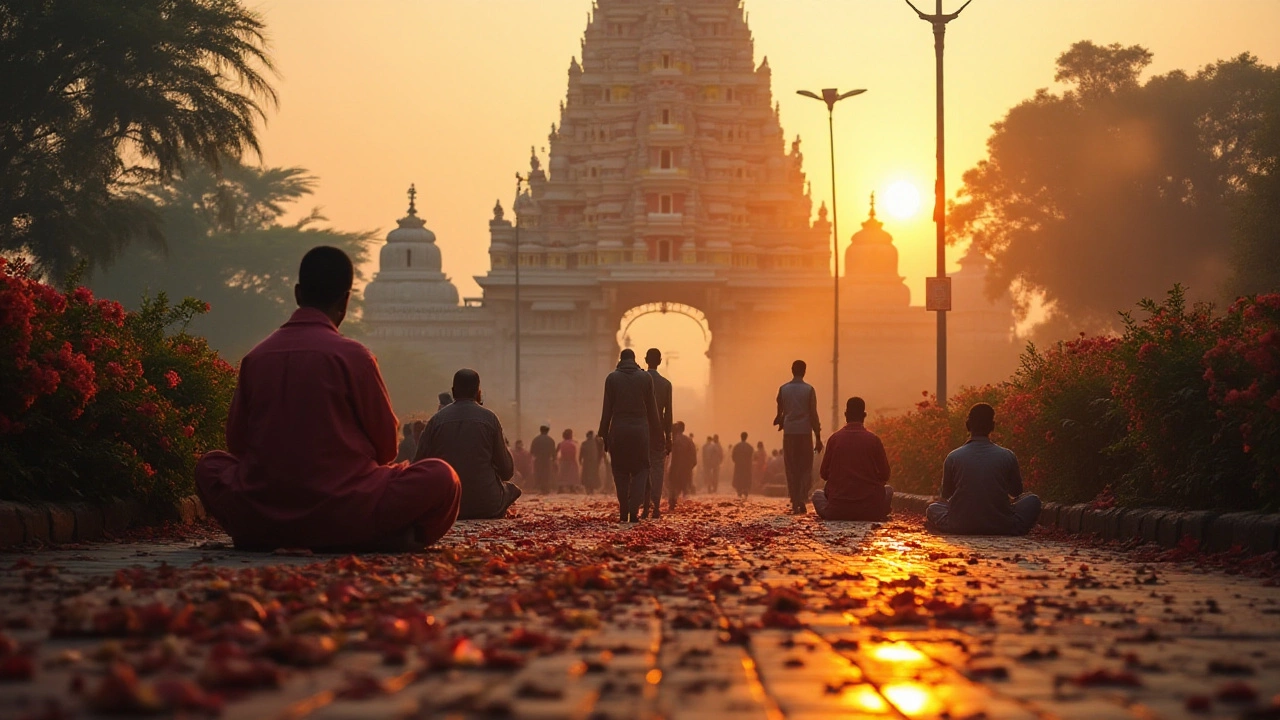
Best and Worst Times to Visit Temples in India
Visiting temples in India is a spiritual and cultural journey that requires thoughtful consideration of timing. Whether you're seeking peace, pilgrimage, or a unique cultural experience, knowing when to go—and when not to—can greatly enhance your visit. Factors such as festivals, climate conditions, and local customs play a significant role in determining the best and worst times for temple visits. This guide provides insights into these elements to help travelers plan their trips effectively.
Read more