Beach Vacation India: Best Beaches, Tips, and Where to Go
When you think of a beach vacation in India, a coastal escape combining sun, sea, and local culture. Also known as Indian beach holidays, it’s not just about lounging—it’s about finding the right mix of calm, cuisine, and character. Unlike tropical islands that charge premium prices, India offers wide, uncrowded shores with affordable stays, fresh seafood, and deep-rooted coastal traditions.
Most Goa beaches, famous for their laid-back vibe, water sports, and Portuguese-style shacks draw the biggest crowds, but they’re just one piece of the puzzle. Head south to South India beaches, like Palolem and Kovalam, where the Arabian Sea meets quiet temples and coconut groves. These spots are quieter, cleaner, and perfect for travelers who want to skip the party scene. Meanwhile, the east coast has hidden gems like Gokarna and Puri, where spiritual energy blends with ocean breezes.
Timing matters. The best months for a beach vacation in India are October to March—cool, dry, and ideal for swimming. Avoid monsoon season (June to September), when heavy rains make beaches muddy and unsafe. If you’re chasing solitude, skip December and January; those are peak tourist months. Early November or late February? You’ll get the sand to yourself.
What you eat matters too. Stick to grilled fish, coconut rice, and fresh fruit from busy stalls. Avoid raw salads and ice in drinks unless you’re sure of the water source. Many beachside shacks in Goa and Kerala serve food cooked right in front of you—watch the oil sizzle, and you’re safe.
Transport is simple. Most beaches are reachable by taxi from nearby towns. You don’t need to rent a car—just book a local driver for the day. In Goa, a taxi to Palolem from Panaji costs under ₹800. In Kerala, a ride from Trivandrum to Kovalam is less than ₹400. Always agree on the fare before you leave.
Don’t assume all beaches are the same. Some are great for surfing (like Varkala), others for yoga (Gokarna), and a few for turtle nesting (Diu). If you’re traveling with kids, choose calm, shallow waters like Agonda or Marari. Couples? Look for secluded coves with sunset views—Vagator and Anjuna have those in spades.
India’s coastline stretches over 7,500 kilometers. You don’t need to fly to the Maldives to find white sand and turquoise water. The real difference? Here, you get culture with your sunburn. A temple just inland. A fisherman mending nets. A chai wallah who knows your name by day three.
Below, you’ll find real guides from travelers who’ve been there—covering exactly where to stay, what to avoid, and which beaches still feel untouched. No fluff. No hype. Just what works.
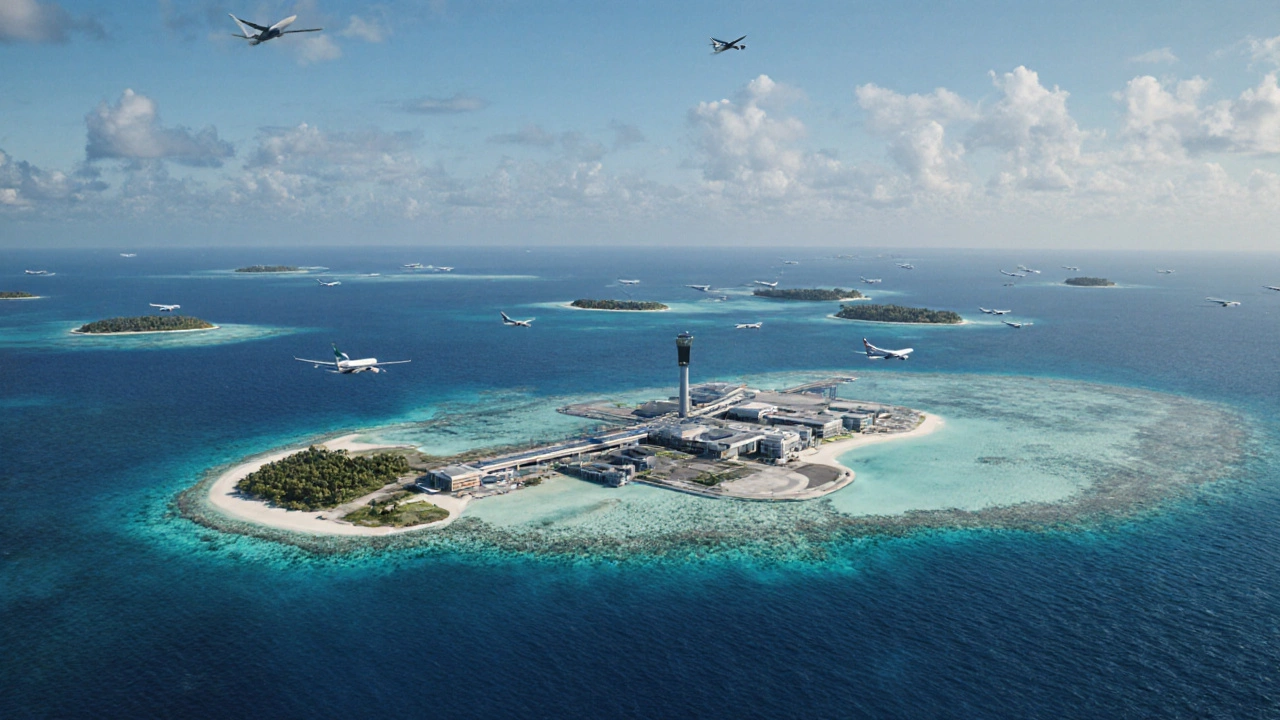
Why Are Flights to the Maldives So Expensive?
Flights to the Maldives are expensive due to isolation, high demand, limited airlines, and costly infrastructure. Learn why prices spike in peak season and how to save without sacrificing the experience.
Read more