Ancient Civilizations in India: Discover the Roots of a Living Heritage
When we talk about ancient civilizations, early complex societies with cities, writing, and organized religion that developed thousands of years ago. Also known as early human settlements, they laid the foundation for modern India’s culture, religion, and architecture. India isn’t just home to ruins—it’s a living museum where these civilizations still breathe in daily rituals, temple carvings, and village traditions.
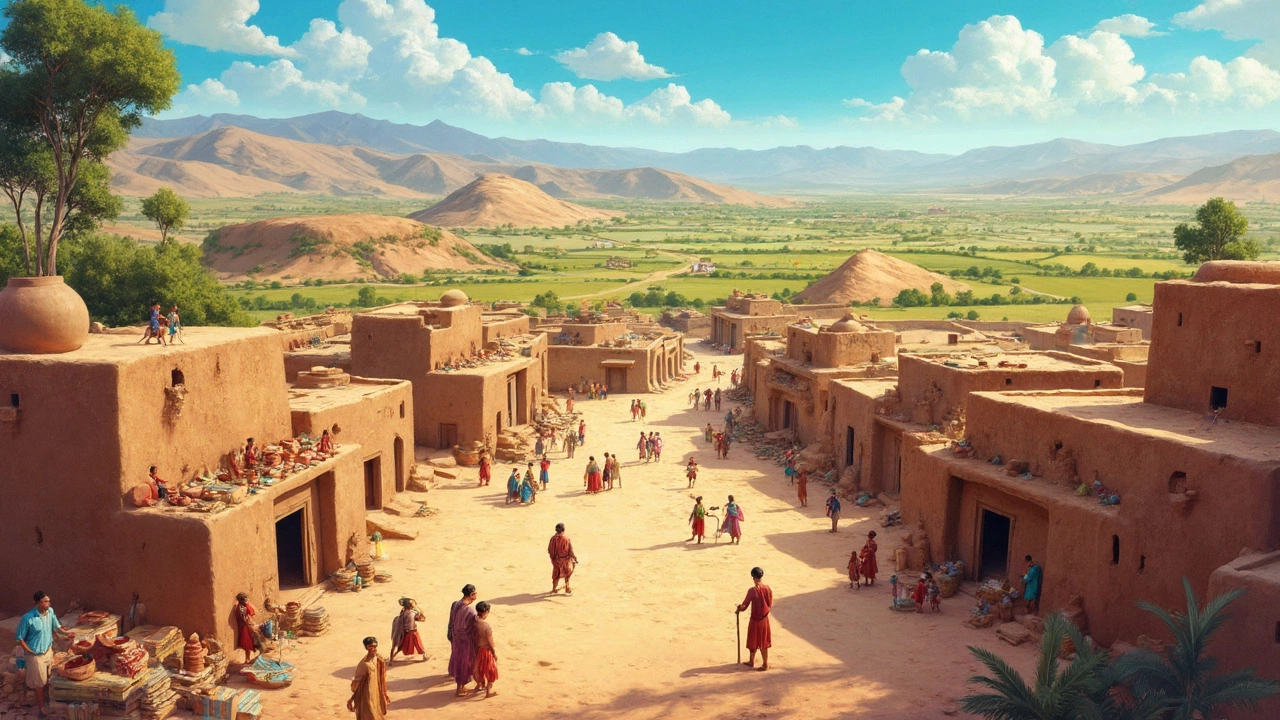
The Indus Valley Civilization, one of the world’s first urban cultures, centered around the Indus River around 3300 BCE built planned cities like Mohenjo-Daro and Harappa with advanced drainage systems and standardized weights. Long before Rome or Athens, these people knew how to manage water, trade, and community life. Then came the Vedic culture, a spiritual and social system brought by Indo-Aryan peoples that gave us the Vedas, the caste structure, and early Hindu practices. Unlike the Indus cities that faded, Vedic traditions evolved into today’s Hinduism, influencing everything from temple architecture to wedding customs.
These civilizations didn’t exist in isolation. They influenced each other, and their legacy shows up in the UNESCO heritage sites India, 42 globally recognized locations that protect India’s most significant cultural and historical landmarks. The Taj Mahal might steal the spotlight, but it’s just one piece of a much older puzzle. Sites like the Ajanta Caves, Sanchi Stupa, and Hampi’s ruins are direct descendants of these ancient systems—where art, faith, and engineering merged.
What makes India’s ancient civilizations unique isn’t just their age—it’s their survival. While Egypt’s pyramids stand silent, India’s temples still ring with chants. While Mesopotamia’s cuneiform is studied in museums, Sanskrit verses are still recited in rituals across the country. You don’t need to travel to a dig site to feel this history—you just need to visit a village fair, a temple festival like Kumbh Mela, or walk through the narrow lanes of Varanasi.
What you’ll find in the posts below isn’t just a list of old ruins. It’s a map of how these civilizations still shape travel today—from the most beautiful temples built on ancient foundations, to the heritage-rich states like Uttar Pradesh that hold more protected monuments than any other region. You’ll see how these roots connect to modern-day tourism, food, safety, and even how foreigners experience India. Whether you’re planning a temple tour, wondering why rice dominates Indian meals, or trying to understand why Hinduism has no single founder, the answers lie in these ancient roots. Let’s go deeper.
Is India Older than China? Unveiling the Ancient Roots
India and China are two of the world's oldest civilizations, each boasting a rich tapestry of history and cultural milestones. While it's tough to precisely date their origins, India's ancient artifacts and sites like the Indus Valley Civilization offer a glimpse into a history that rivals China's dynastic history. This article explores fascinating facts about heritage sites in India and the layers of history that may make India as ancient, if not older, than its Asian neighbor. Understanding this historic rivalry helps appreciate the depth of each country's contribution to the world's cultural heritage.
Read more