Agra Weather: What to Expect and When to Visit
When you think of Agra, a historic city in northern India best known for the Taj Mahal. It's not just about the monument—it's about the climate that shapes your whole experience. Agra weather swings between extreme heat, humid monsoons, and surprisingly cool winters. If you're planning to walk the grounds of the Taj Mahal, you need to know what you're walking into.
Agra’s climate, a hot semi-arid system typical of the Indo-Gangetic Plain means summers are brutal. From April to June, temperatures regularly hit 40°C (104°F) and sometimes climb past 45°C (113°F). The sun doesn’t let up, and the air feels thick. If you visit then, you’ll be sweating before you even reach the gates. Most locals avoid outdoor sightseeing between noon and 4 p.m. during these months. The monsoon, the rainy season that arrives in late June and lasts through August, brings relief but also chaos. Rain can be heavy and sudden, turning paths muddy and making photography tricky. Still, the Taj Mahal looks magical after a downpour—the marble glows, and crowds thin out.
Then comes the sweet spot: October to March. This is when Agra weather is at its best. Days are warm but not scorching—around 20–28°C (68–82°F)—and nights are cool enough to need a light jacket. The sky is clear, humidity drops, and visibility is perfect for snapping photos of the Taj. December and January are the coolest months, with early mornings dipping to 7°C (45°F). If you’re going to visit the Taj at sunrise, you’ll need layers. This is also when most international tourists arrive, so expect more people—but it’s worth it.
What about crowds and prices? Winter means higher hotel rates and busier tours, but the comfort level makes it worth it. If you’re budget-savvy and can handle the heat, late February or early March offer a good middle ground: still pleasant weather, fewer crowds, and lower prices than peak season. Avoid visiting during major Indian holidays like Diwali or Holi—Agra gets packed, and taxis become hard to book.
You’ll find posts here that cover everything from what to wear in Agra’s heat, how to beat the crowds at the Taj Mahal, and which months give you the best photo light. We’ve also got tips on where to stay if you want to avoid the midday swelter, and how to stay hydrated without getting sick. Whether you’re planning a weekend trip or a longer India tour, knowing Agra weather isn’t just helpful—it’s essential to enjoying your visit without stress or discomfort.
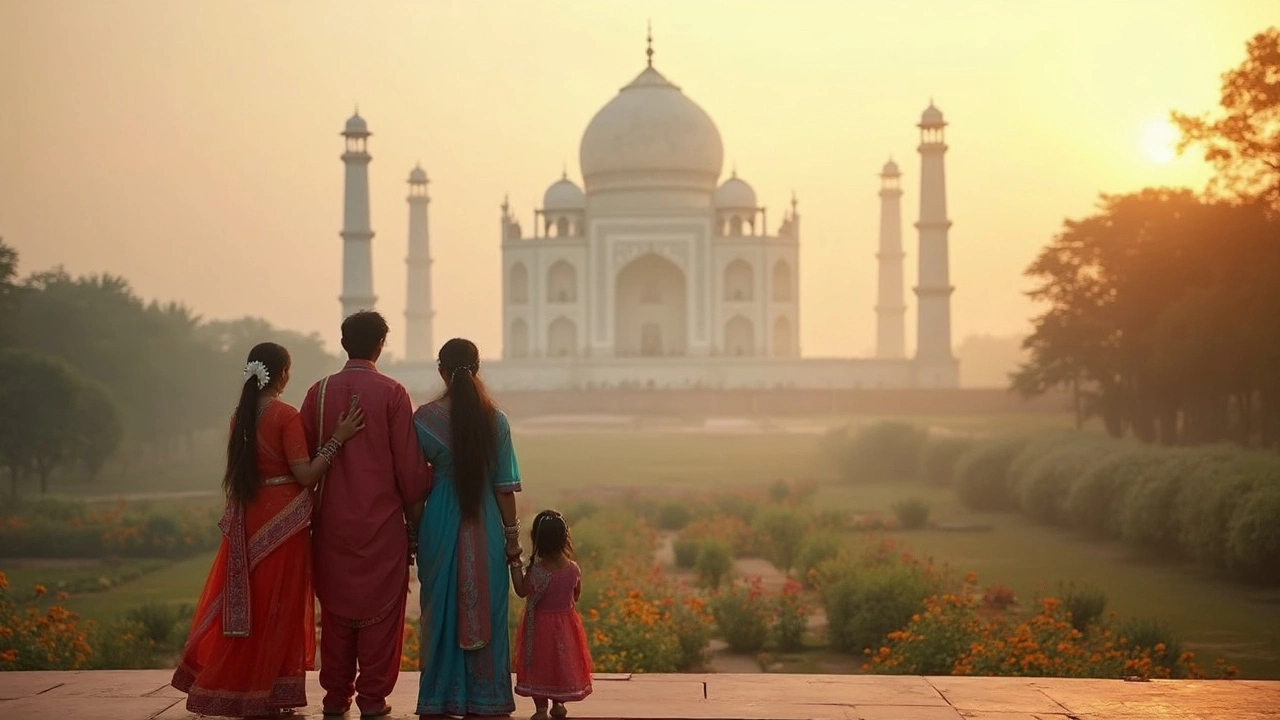
Best Month to Visit the Taj Mahal: Timing Your Trip for an Epic Experience
Thinking of seeing the Taj Mahal? Timing makes a huge difference. The best months help you dodge harsh weather, heavy crowds, and even pollution. This article sorts out when to go for the top experience, with simple weather facts, crowd forecasts, photography tips, and practical info. You'll get all you need to plan a memorable trip.
Read more