Agra Travel Guide: Taj Mahal, History, and Best Taxi Routes
When you think of Agra, a historic city in Uttar Pradesh, India, famous for its Mughal-era monuments and the world’s most visited tomb. Also known as the City of the Taj, it’s where emperors built legacies in marble and where travelers come to witness one of the New Seven Wonders of the World. Agra isn’t just about the Taj Mahal—it’s a living museum of power, love, and artistry that shaped India’s identity.
Just 200 kilometers from Delhi, Agra connects easily by taxi, making it one of the most popular day trips or multi-day stops on any North India itinerary. The Taj Mahal, a white marble mausoleum built by Emperor Shah Jahan for his wife Mumtaz Mahal in the 17th century draws over 8 million visitors a year. But step away from the crowds and you’ll find the Agra Fort, a massive red sandstone fortress that once housed Mughal emperors and now offers sweeping views of the Taj, or the hauntingly beautiful Itmad-ud-Daulah’s Tomb, often called the Baby Taj for its delicate inlay work and role as a precursor to the Taj Mahal’s design. These sites aren’t just tourist spots—they’re architectural milestones that show how Indian, Persian, and Islamic styles fused into something entirely new.
Most travelers hire a taxi in Agra because public transport is unreliable and walking between sites is impractical in the heat. A full-day taxi tour typically covers the Taj Mahal at sunrise, Agra Fort, and Itmad-ud-Daulah’s Tomb—with time for local snacks like petha (sweet pumpkin candy) or kebabs from a roadside stall. Many drivers also know hidden spots: the Mehtab Bagh garden across the Yamuna River for the best Taj photos, or the quiet back alleys of Sadar Bazaar where you can find hand-carved marble souvenirs without the tourist markup.
What you won’t find in guidebooks? How the city wakes up before dawn, when the Taj glows pink under the first light, or how the call to prayer echoes through the streets at sunset. These moments aren’t scheduled—they’re experienced. And if you’re curious about how food, culture, or safety in Agra compares to Delhi or Jaipur, you’ll find real traveler stories below.
The posts here aren’t just lists—they’re honest takes from people who’ve been there. Whether you’re wondering what to eat safely, how to avoid tourist traps, or why some temples in Agra are more meaningful than others, you’ll find clear, no-fluff advice. This isn’t marketing. It’s what you actually need to know before you go.
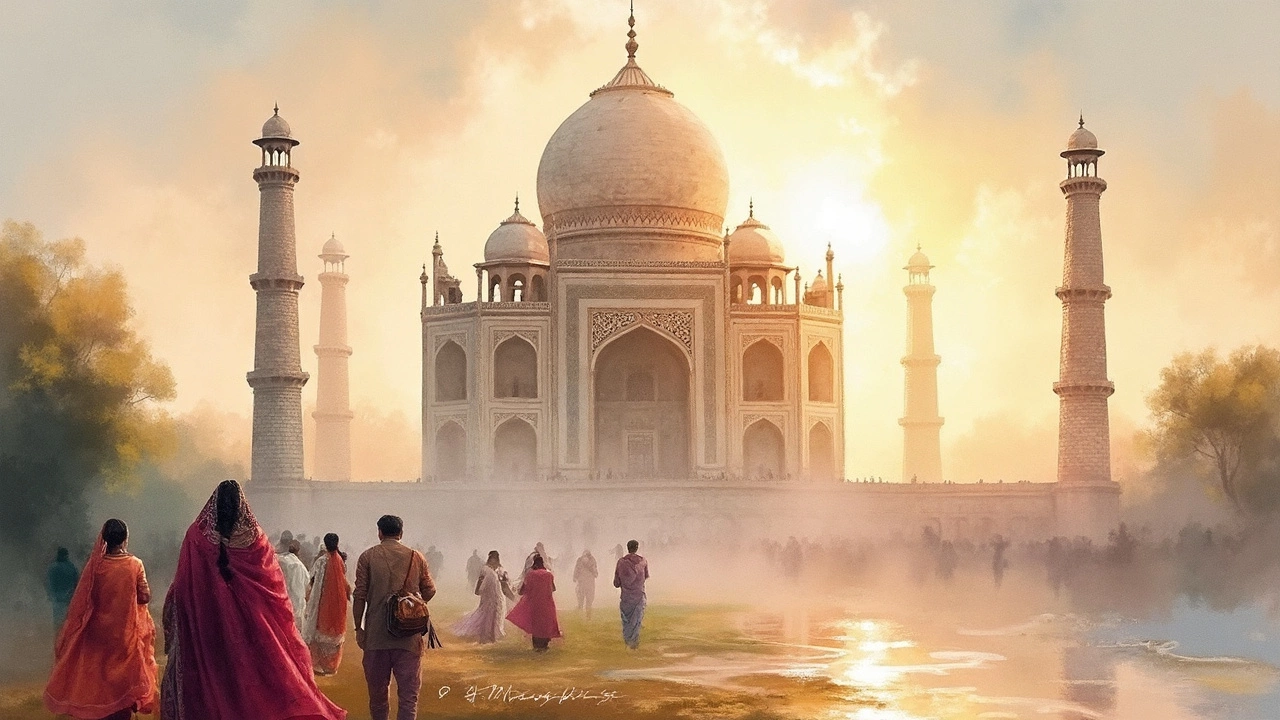
Is the Taj Mahal in Northern or Southern India? Uncovering Its True Location
The Taj Mahal, a stunning white marble mausoleum, is not only one of India's most iconic structures but also a key destination in northern India. Situated in Agra, Uttar Pradesh, this masterpiece is famed for its breathtaking beauty and historical significance. Understanding its precise location can enhance your travel plans and enrich your experience of India's rich cultural heritage. Explore the Taj Mahal's geographical setting, its nearby attractions, and get tips for a memorable visit.
Read more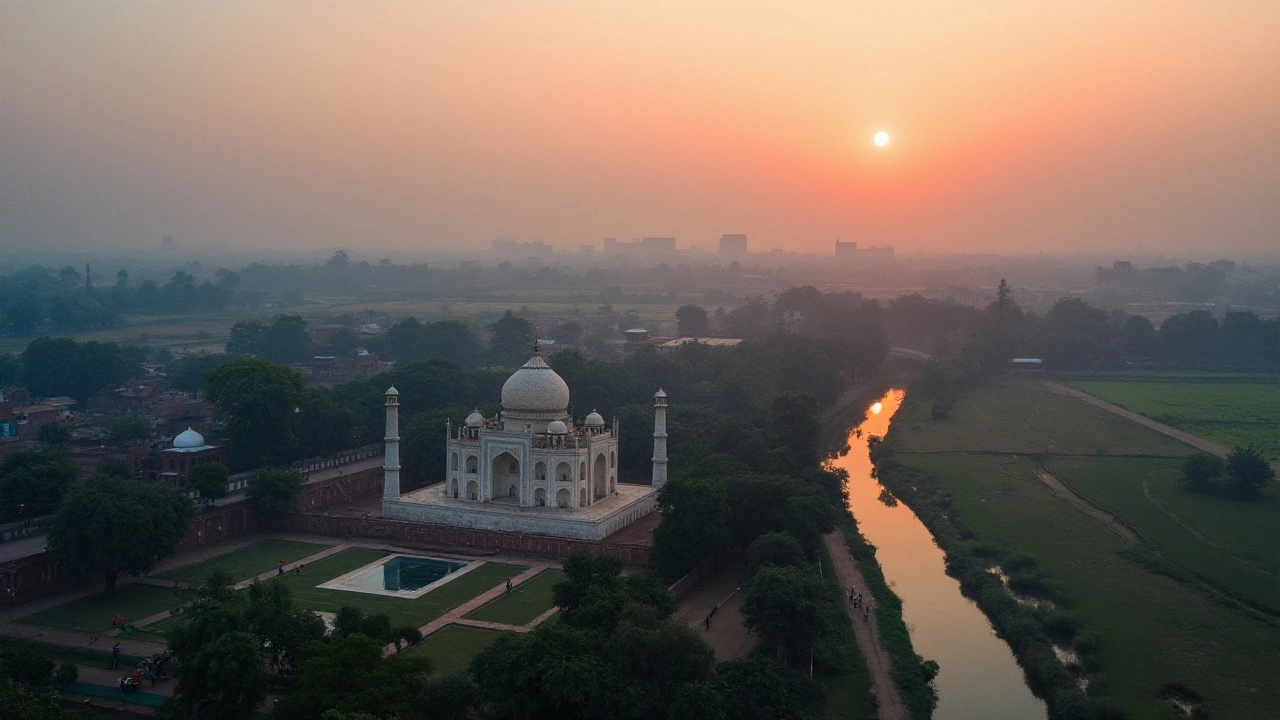
Exploring Agra: A Gateway to North India's Rich Heritage
Agra, often synonymous with the iconic Taj Mahal, is a jewel of North India. Nestled in the northern plains, this city offers more than just a glimpse of its famed marble wonder. Delve into Agra's location, its rich cultural tapestry, and travel tips to enhance your visit. As a key destination, understanding its geographical and historical significance provides a fuller appreciation of what Agra represents as a North Indian travel spot.
Read more